Ingredient glossary / Skin protectant
Allantoin
On the label: Allantoin · Skin protectant
What it is
A compound originally from comfrey root, now made synthetically; an FDA skin protectant at 0.5 to 2 percent, used for its soothing reputation.
Skin protectants: Skin protectants are the handful of ingredients the FDA recognises as protecting skin from irritation (an over-the-counter drug category).
Wikidata: Chemical compound. Q409804 →
In the research
147 PubMed papers mention it with skin, cosmetics or hair; the three most recent:
- Liposomal Helix aspersa Snail Mucus: A Biomacromolecular Platform for Attenuating Chronological Skin Aging Through Modulation of miR-34a-Associated Senescence and Extracellular Mat · International journal of molecular sciences, 2026
- Hydrogel facial mask for sensitive skin: A pilot study of long-term effects on hydration, barrier function and mechanical properties · International journal of cosmetic science, 2026
- Evaluation of Echinacea Leaf Extract and Allantoin Based Topical Formulations in an Imiquimod-Induced Psoriasis-like Model · Medical sciences (Basel, Switzerland), 2026
A paper is a paper, not a verdict: titles are listed so you can read them, and a study on cells or mice says little about a cream on a face.
Products whose label lists it
3 on the siteMatched from the ingredient list the supplier printed; the position in the list (first or thirtieth) is on each product page.
 Made in the USA
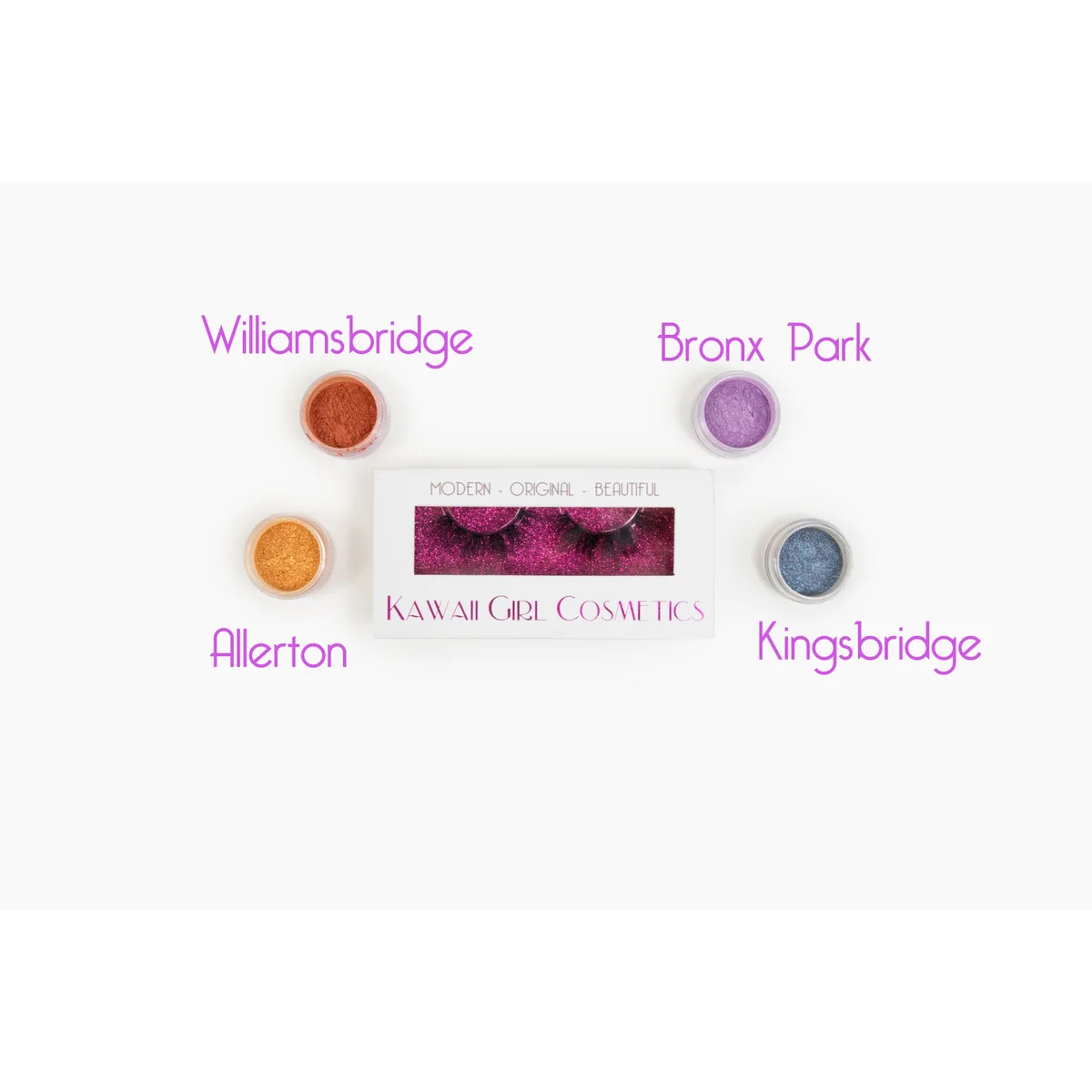
 Made in the USA
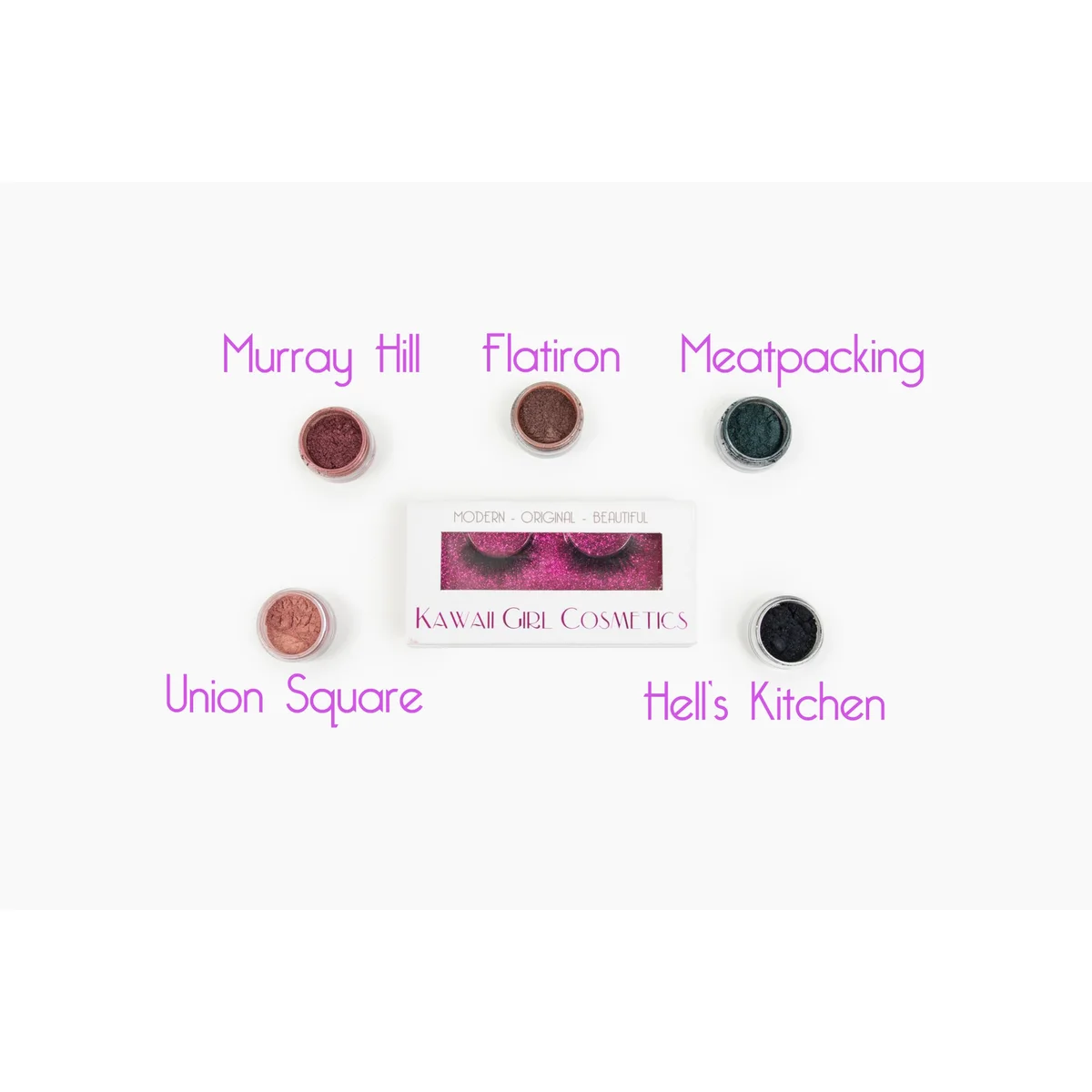
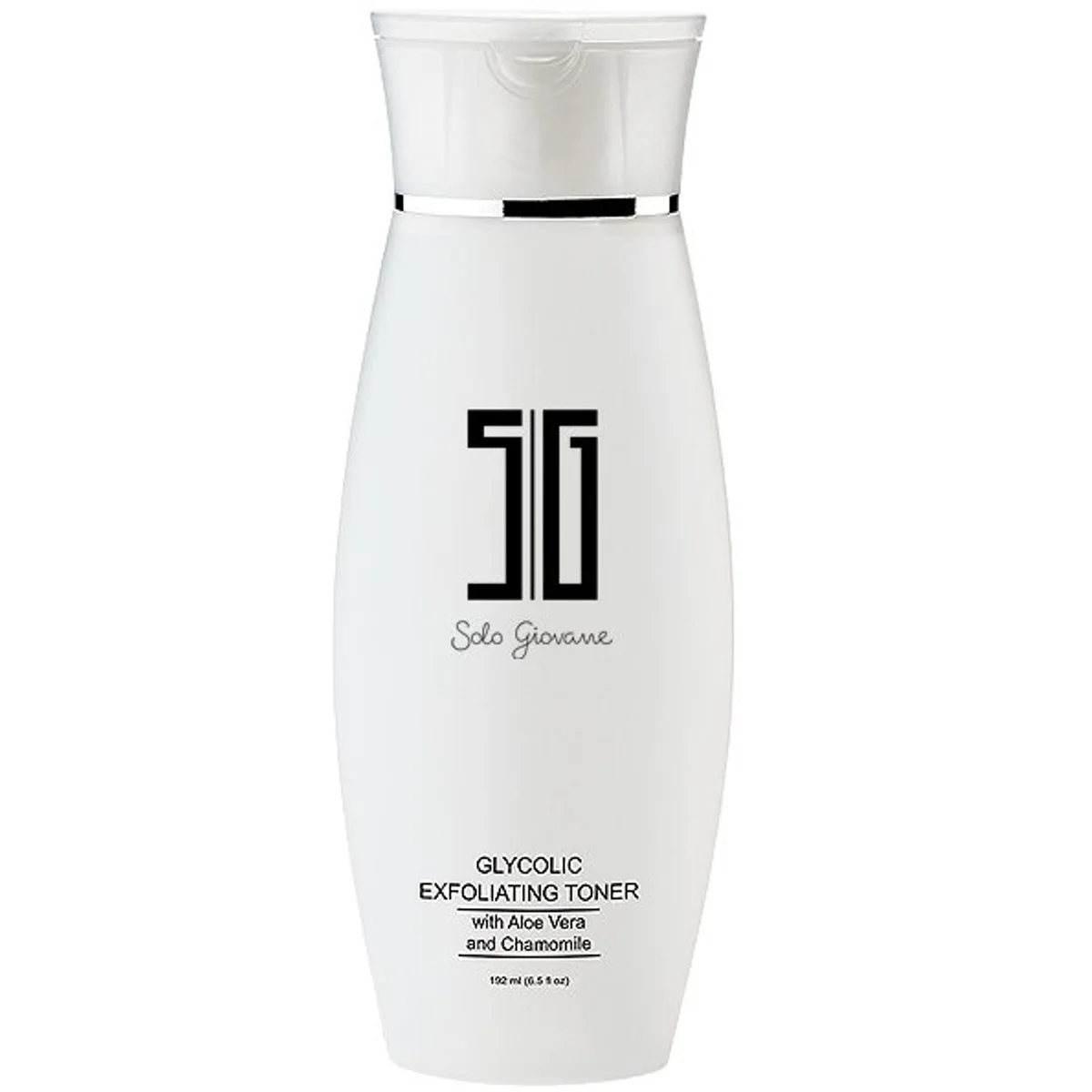 Made in the USA
Other skin protectants
Dew & Balm describes ingredients from the public record and makes no claim about what a product will do for you. Statements about dietary supplements have not been evaluated by the FDA. If a product causes a reaction, stop using it; a reaction that spreads or affects breathing is a call to a doctor or 911.