
Ingredient glossary / Preservative
Phenoxyethanol
On the label: Phenoxyethanol · Preservative
What it is
The most used cosmetic preservative since parabens fell out of favour; limited to 1 percent in the EU. Often paired with ethylhexylglycerin.
Preservatives: Preservatives stop bacteria and mould growing in a product that contains water; every water-based product needs one.
Wikidata: Chemical compound. Q418038 →
In the research
176 PubMed papers mention it with skin, cosmetics or hair; the three most recent:
- Natural, clean, yet still allergenic: contact allergen burden in vulvar soothing products · Menopause (New York, N.Y.), 2026
- Cytotoxicity of antimicrobial wound irrigation solutions and antiseptics: an in vitro and ex vivo study · Frontiers in microbiology, 2026
- Interkingdom Biofilms in Chronic Wounds: The Collaboration of Candida albicans and Staphylococcus aureus Against Conventional Wound Antiseptics in a Wound-like Leucocyte-Rich Human · Antibiotics (Basel, Switzerland), 2026
A paper is a paper, not a verdict: titles are listed so you can read them, and a study on cells or mice says little about a cream on a face.
Products whose label lists it
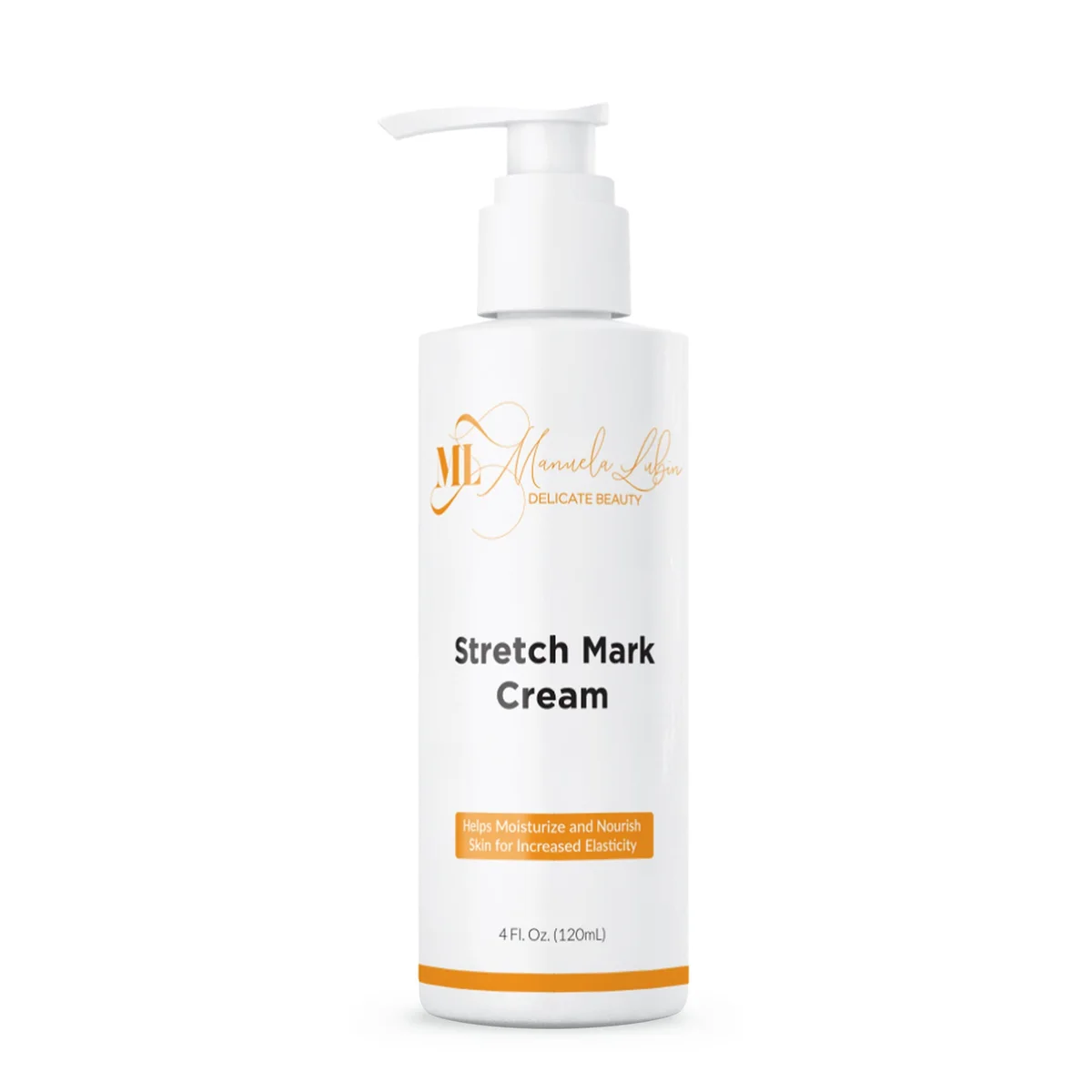
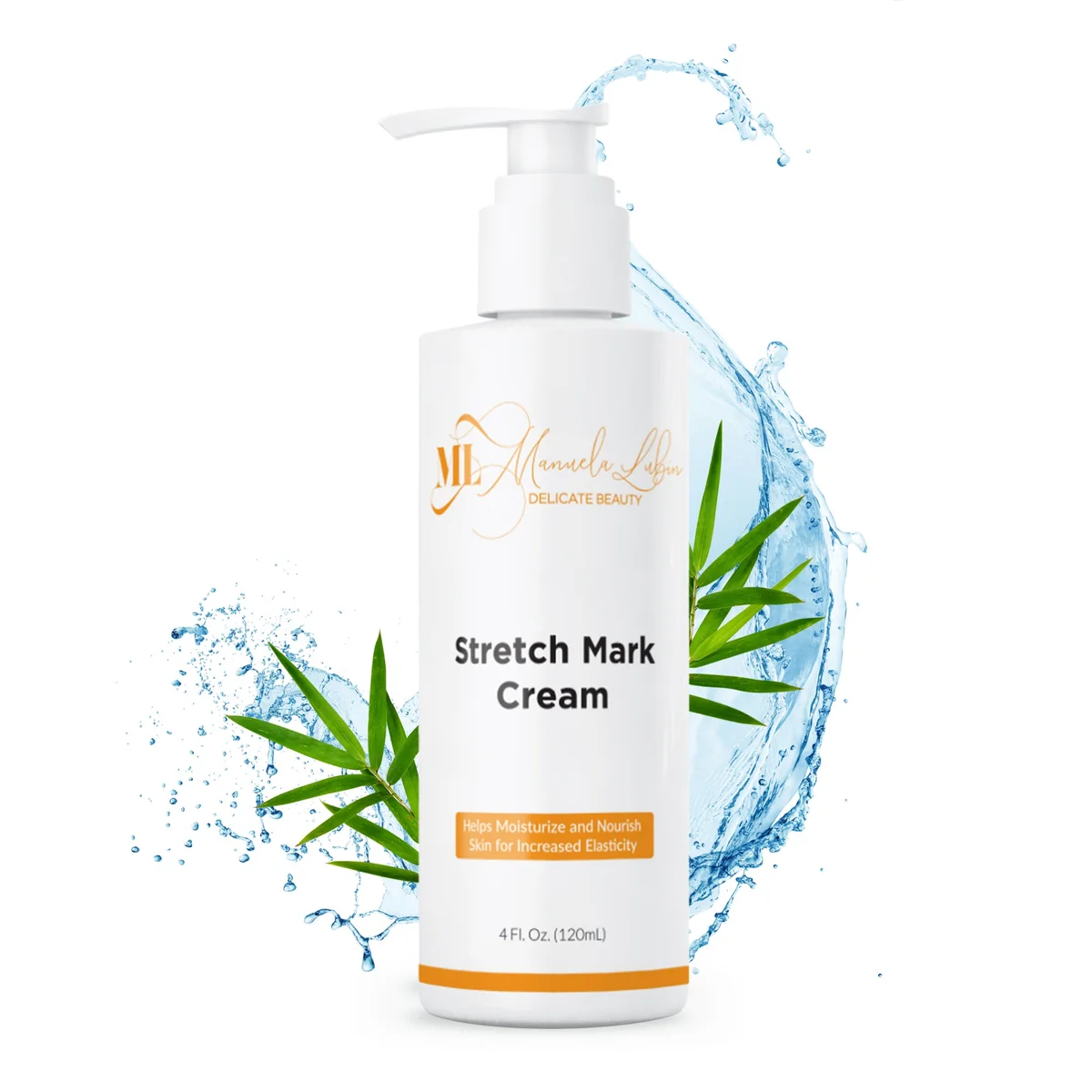
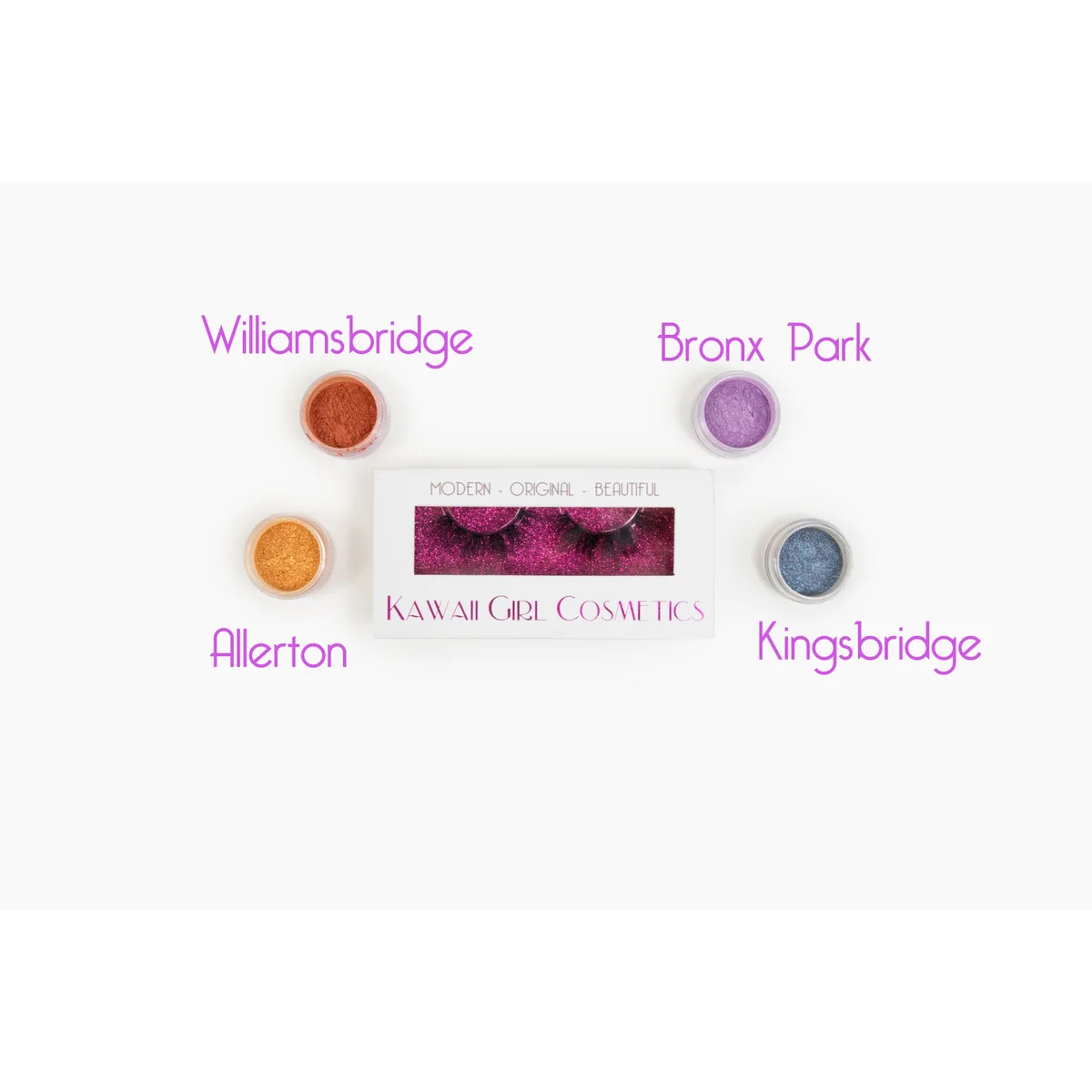
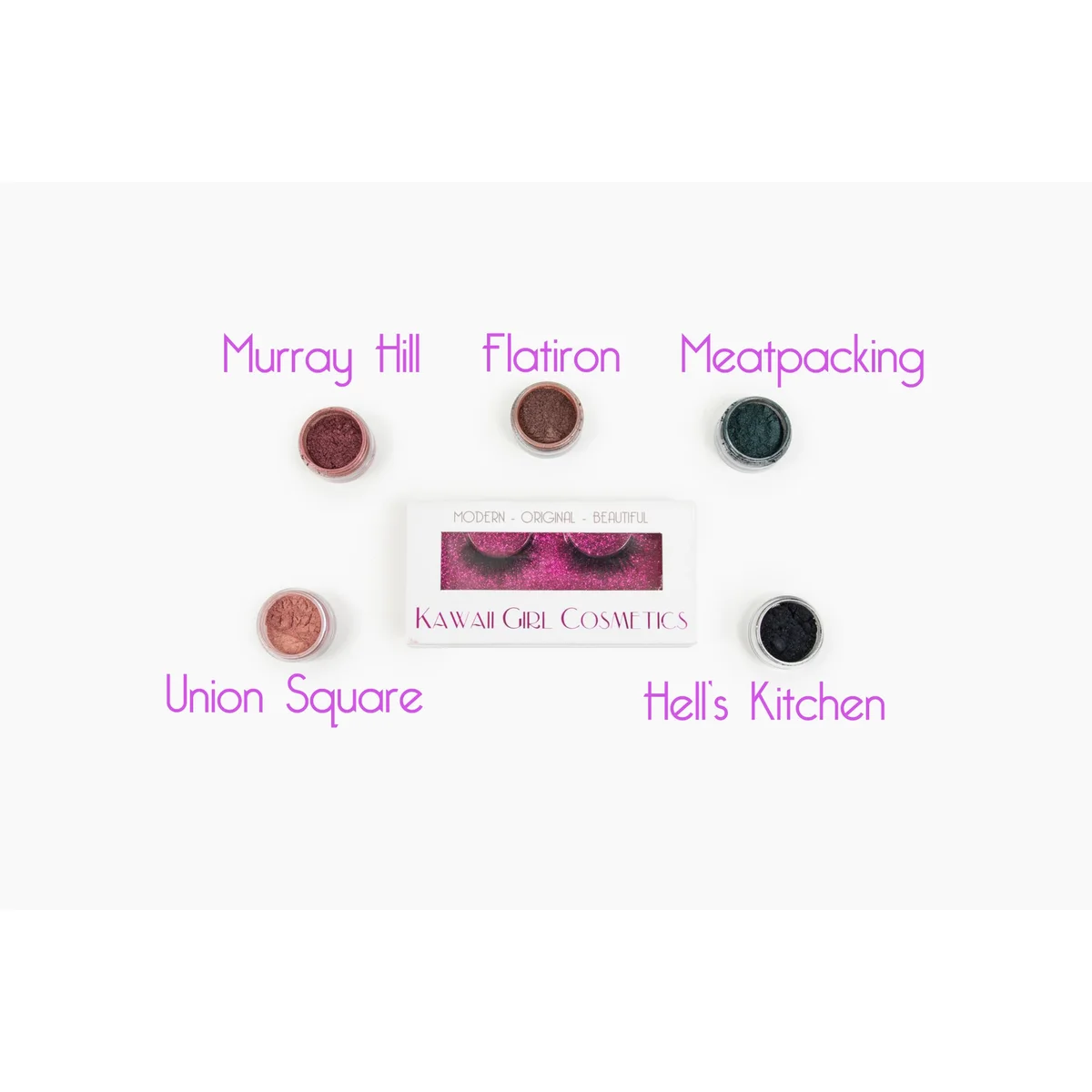
24 on the siteMatched from the ingredient list the supplier printed; the position in the list (first or thirtieth) is on each product page.
 Made in the USA
 Made in the USA
 Made in the USA
 Made in the USA
 Made in the USA
 Made in the USA
 Made in the USA
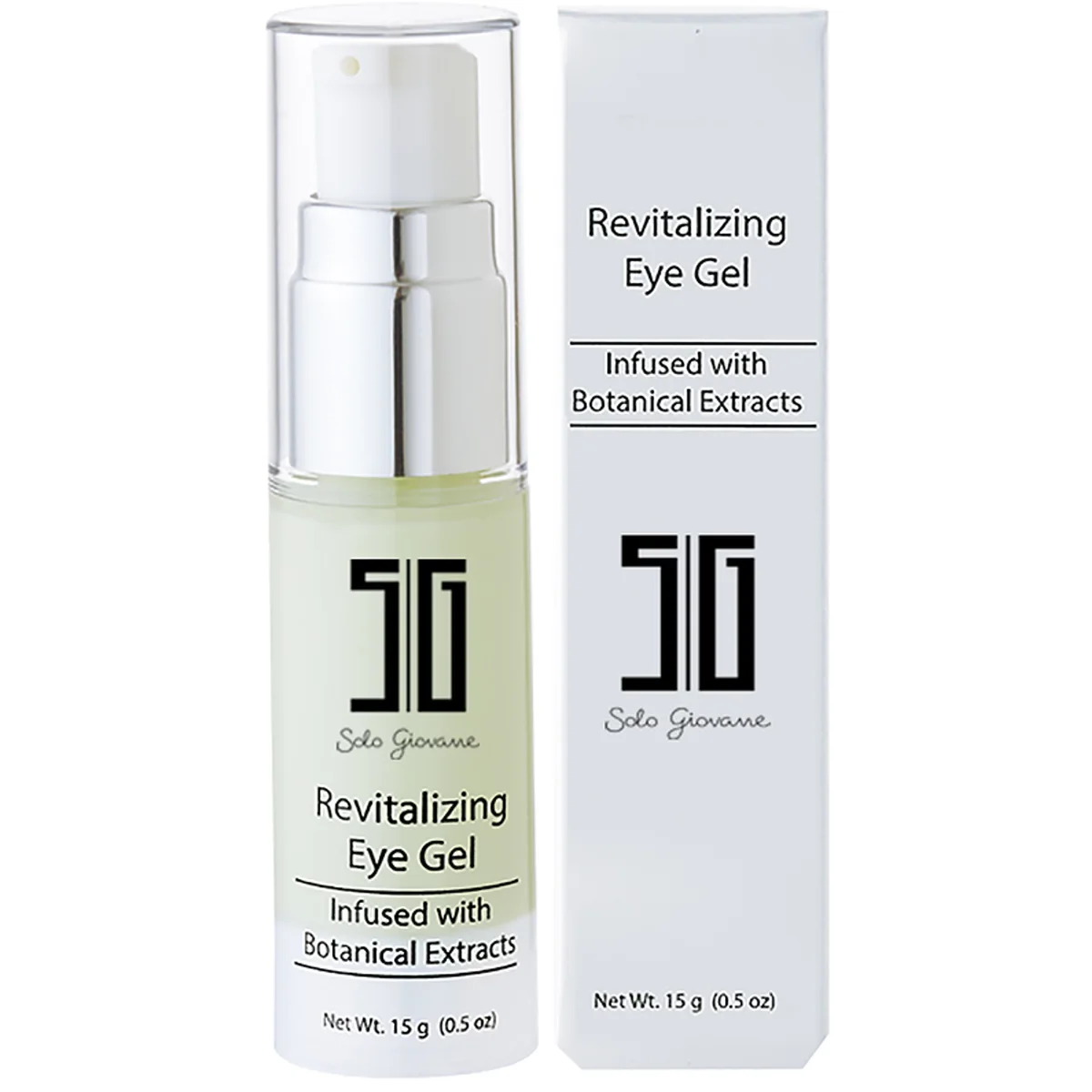 Made in the USA
Other preservatives
Dew & Balm describes ingredients from the public record and makes no claim about what a product will do for you. Statements about dietary supplements have not been evaluated by the FDA. If a product causes a reaction, stop using it; a reaction that spreads or affects breathing is a call to a doctor or 911.