
Ingredient glossary / Emollient
Black seed oil
On the label: Nigella Sativa Seed Oil · Emollient
What it is
Oil of the black cumin seed, with a strong, peppery scent; used in hair and beard oils.
Emollients: Emollients fill the gaps between skin cells and leave the surface smooth and soft; oils, butters and esters.
Wikidata: A traditional herbal extract from Nigella sativa, promoted for its antioxidant and immune-supporting properties and increasingly studied as a natural health supplement. Q135855115 →
In the research
21 PubMed papers mention it with skin, cosmetics or hair; the three most recent:
- Acute Localized Exanthematous Pustulosis-Like Dermatitis Induced by Nigella sativa Seed Oil · Contact dermatitis, 2026
- From Natural Product to Topical Antimicrobial Candidate: Evaluating Nigella sativa Seed Oil as a Broad-Spectrum Topical Antimicrobial in Multi-Tiered Preclinical Models · Pharmaceuticals (Basel, Switzerland), 2026
- Synergistic Effects of Black Seed Oil, Fresh Clove Extracts, and Amoxicillin Against Bacterial Skin Pathogens: An In Vitro Experimental Study · Cureus, 2026
A paper is a paper, not a verdict: titles are listed so you can read them, and a study on cells or mice says little about a cream on a face.
Products whose label lists it
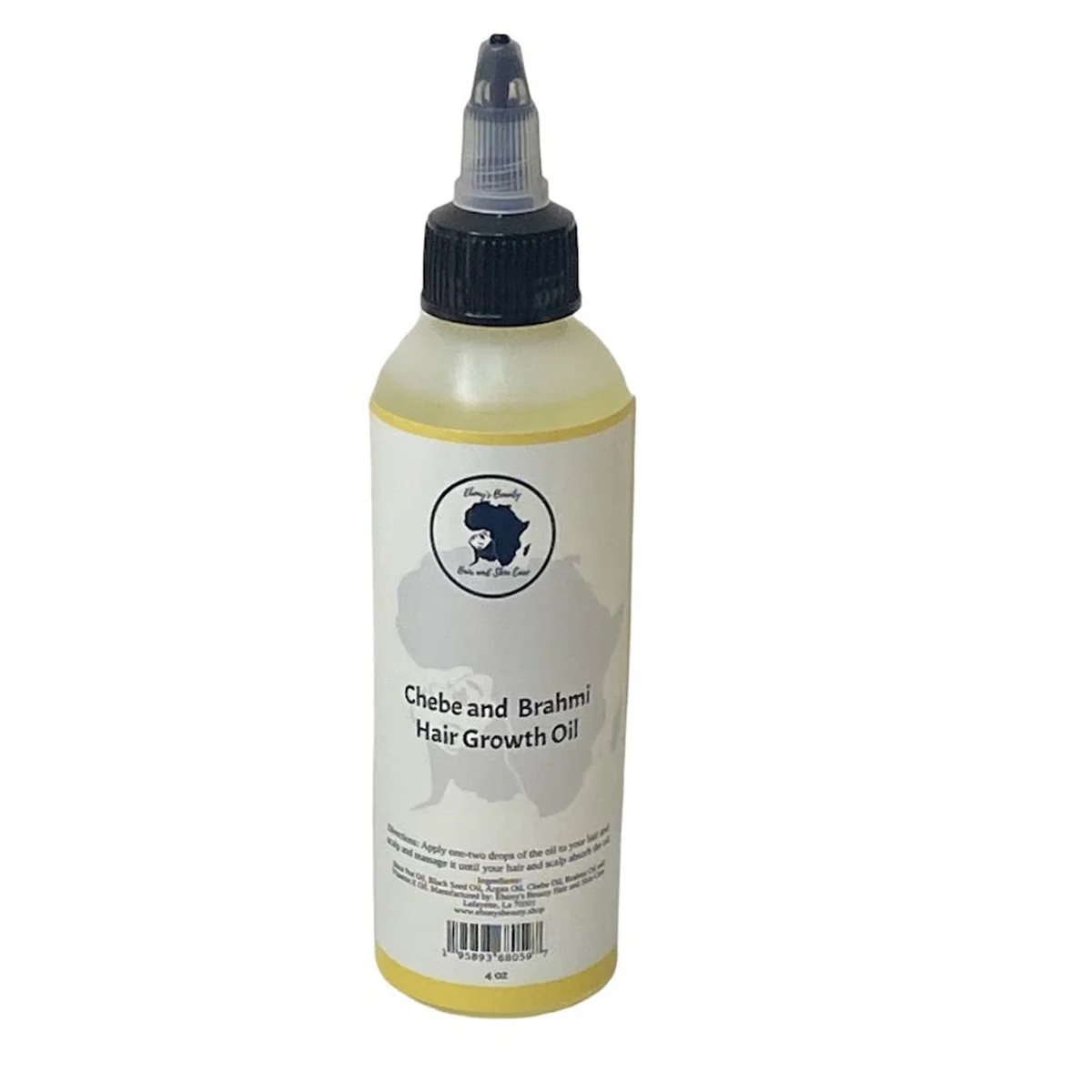
1 on the siteMatched from the ingredient list the supplier printed; the position in the list (first or thirtieth) is on each product page.
Other emollients
Dew & Balm describes ingredients from the public record and makes no claim about what a product will do for you. Statements about dietary supplements have not been evaluated by the FDA. If a product causes a reaction, stop using it; a reaction that spreads or affects breathing is a call to a doctor or 911.