
Ingredient glossary / Exfoliant
Gluconolactone (PHA)
On the label: Gluconolactone · Exfoliant
What it is
A polyhydroxy acid, a larger cousin of the alpha hydroxy acids that stays on the surface; also a humectant and antioxidant.
Exfoliants: Exfoliants remove dead cells from the surface, by chemistry (acids, enzymes) or by rubbing (physical scrubs).
Wikidata: Chemical compound. Q114174 →
In the research
28 PubMed papers mention it with skin, cosmetics or hair; the three most recent:
- Safety Assessment of Glycolactones as Used in Cosmetics · International journal of toxicology, 2026
- The effect of a serum containing acetyl hexapeptide-8, dipeptide diaminobutyroyl benzylamide diacetate and gluconolactone on skin biomarkers, wrinkles and skin texture: Ex vivo and · International journal of cosmetic science, 2026
- Versatile Hyaluronic Acid Hydrogels via pH-Induced Gelation for Multifaceted Cutaneous Wound Healing · Advanced healthcare materials, 2026
A paper is a paper, not a verdict: titles are listed so you can read them, and a study on cells or mice says little about a cream on a face.
Products whose label lists it
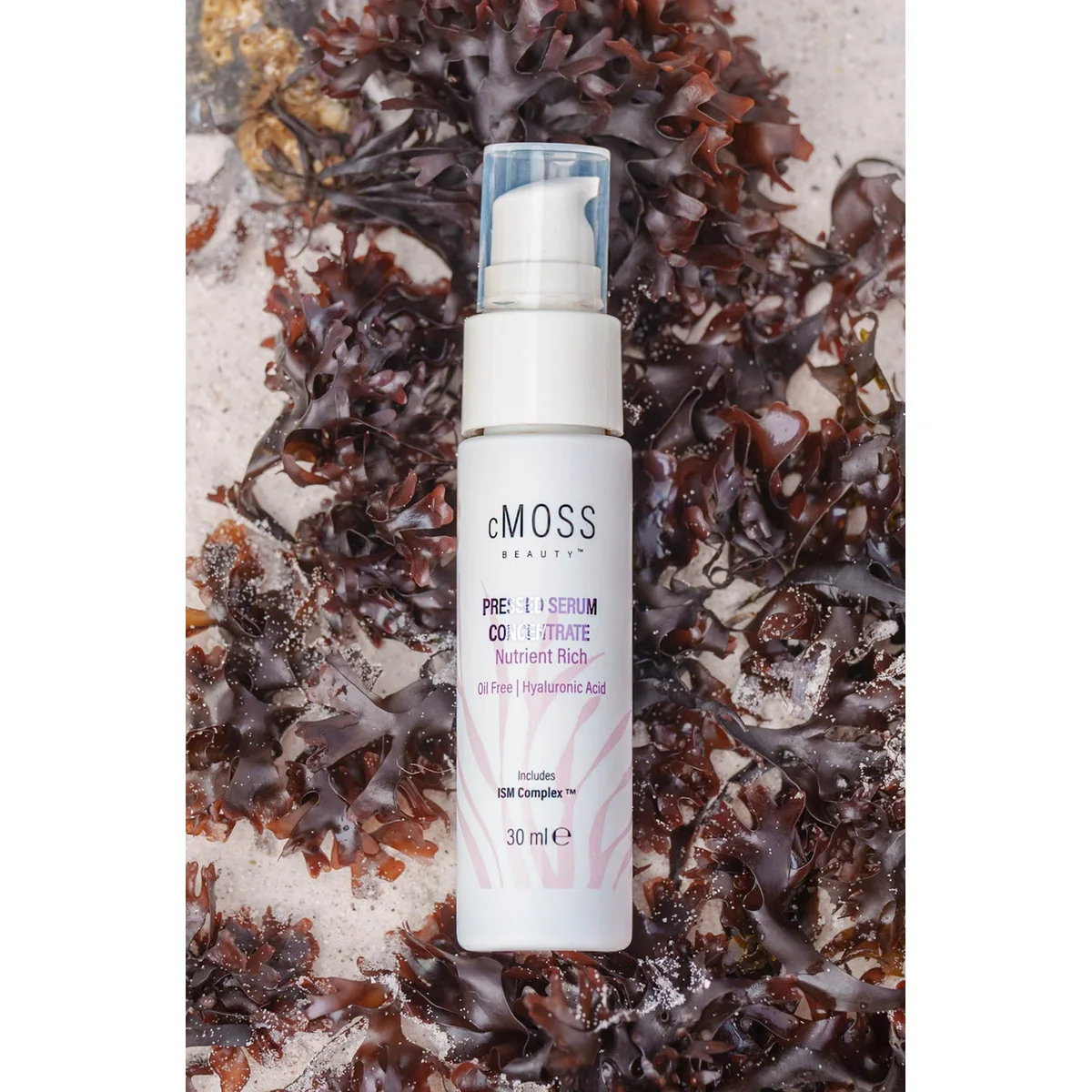
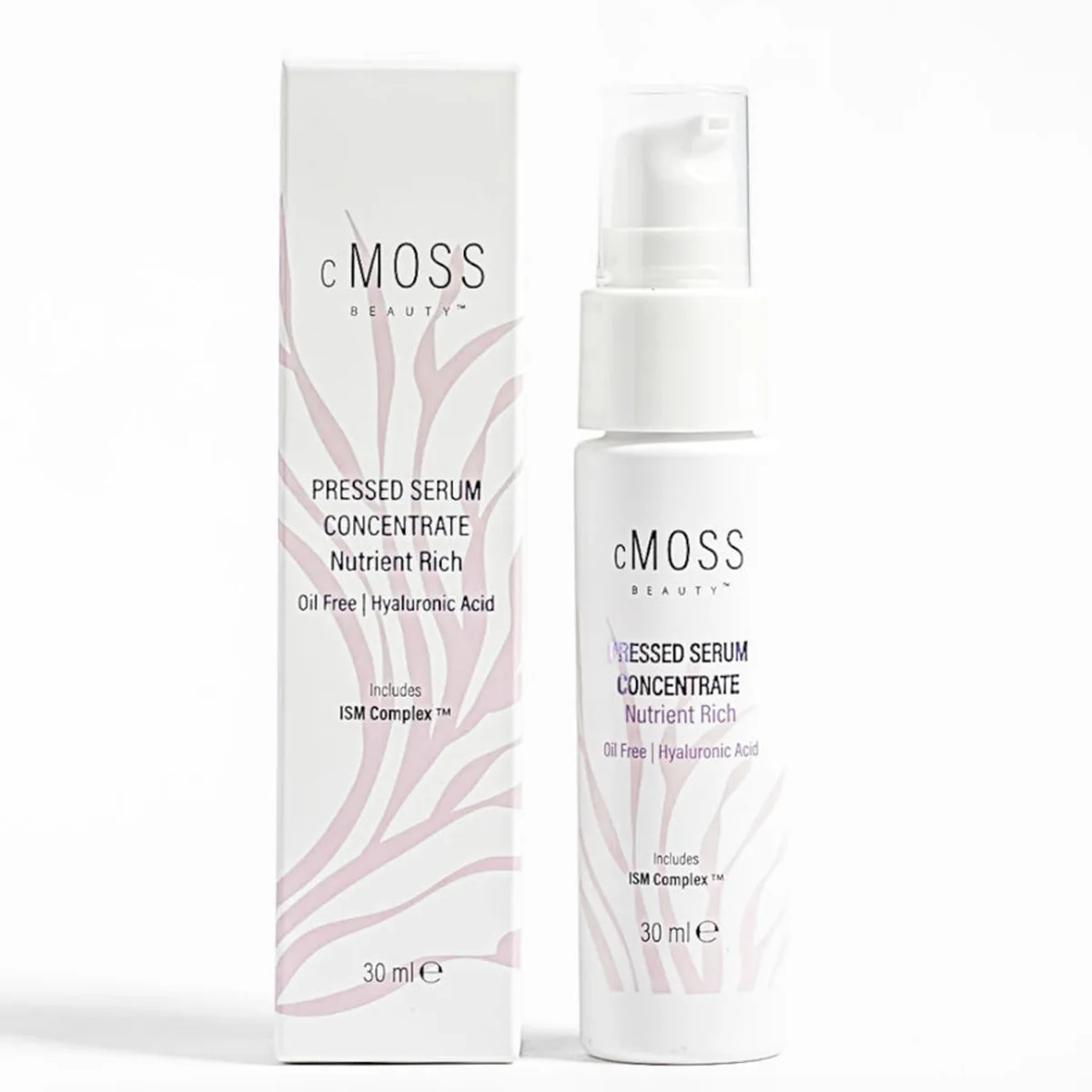
1 on the siteMatched from the ingredient list the supplier printed; the position in the list (first or thirtieth) is on each product page.
Other exfoliants
Dew & Balm describes ingredients from the public record and makes no claim about what a product will do for you. Statements about dietary supplements have not been evaluated by the FDA. If a product causes a reaction, stop using it; a reaction that spreads or affects breathing is a call to a doctor or 911.