
Ingredient glossary / Exfoliant
Glycolic acid (AHA)
On the label: Glycolic Acid · Exfoliant
What it is
The smallest alpha hydroxy acid, from sugar cane; water-soluble, works on the surface. Strength depends on percentage and pH; sunscreen is advised with regular use.
Exfoliants: Exfoliants remove dead cells from the surface, by chemistry (acids, enzymes) or by rubbing (physical scrubs).
Wikidata: Chemical compound. Q409373 →
In the research
809 PubMed papers mention it with skin, cosmetics or hair; the three most recent:
- Local immunoregulatory therapy of psoriasiform dermatitis using IL-10-loaded chitosan-coated PLGA nanoparticles: Modulation of langerhans cell-associated immune homeostasis and mol · Biomaterials advances, 2026
- Reactive organic species-scavenging PLGA-based nanoreactor affords prophylactic protection against noise-induced hearing loss rats · Mikrochimica acta, 2026
- Phase-Programmed Microneedles Enable Sequential Hydrogen and Quercetin Release for Scar-Reduced Regeneration of Burn Wounds · Advanced science (Weinheim, Baden-Wurttemberg, Germany), 2026
A paper is a paper, not a verdict: titles are listed so you can read them, and a study on cells or mice says little about a cream on a face.
Products whose label lists it
2 on the siteMatched from the ingredient list the supplier printed; the position in the list (first or thirtieth) is on each product page.
 Made in the USA
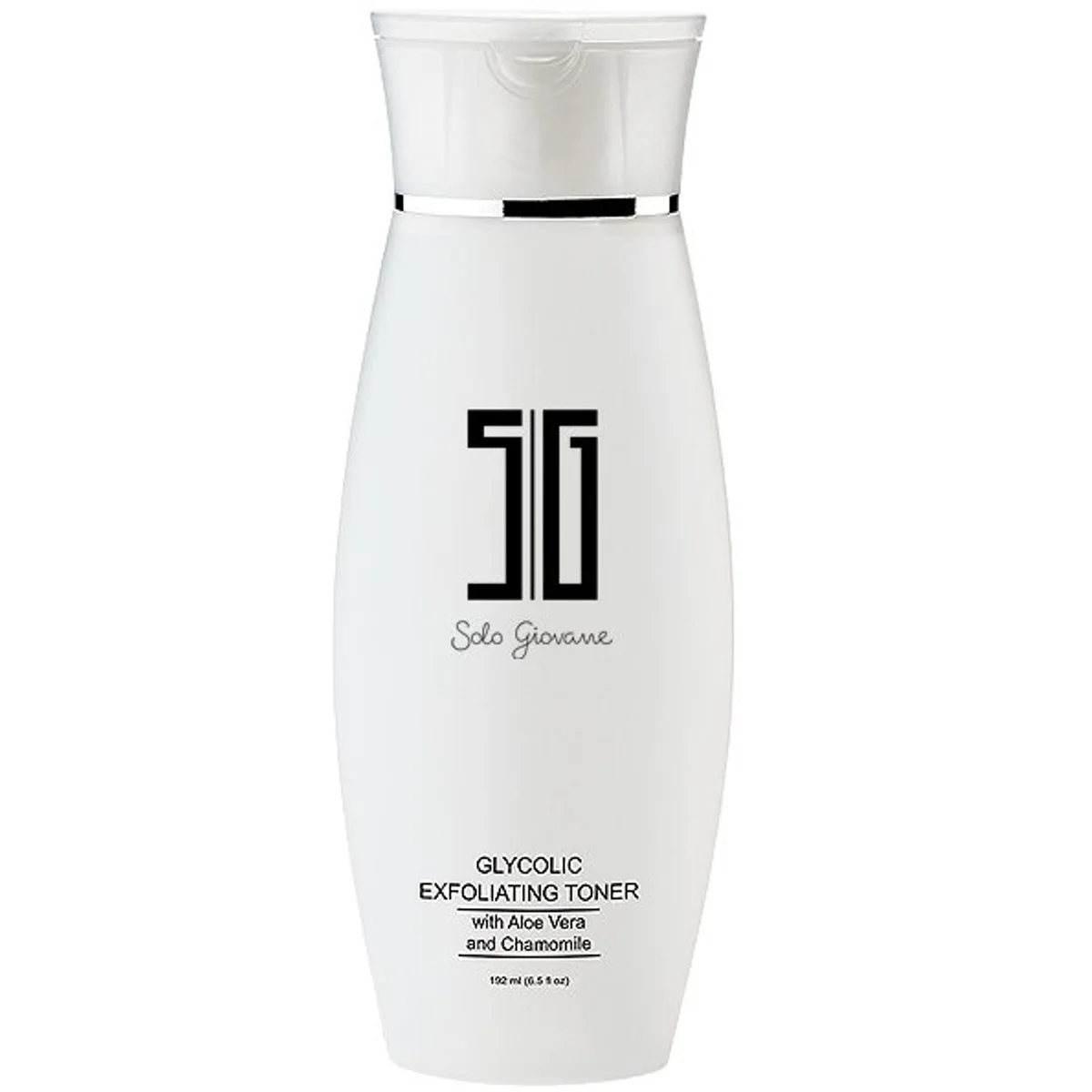 Made in the USA
Other exfoliants
Dew & Balm describes ingredients from the public record and makes no claim about what a product will do for you. Statements about dietary supplements have not been evaluated by the FDA. If a product causes a reaction, stop using it; a reaction that spreads or affects breathing is a call to a doctor or 911.