
Skin guide / Combination skin
Dullness and uneven tone on combination skin
Multi-masking was invented for this type: clay on the center, a hydrating or enzyme mask on the cheeks. A mild lactic acid all over, a couple of nights a week, suits both zones.
What dullness and uneven tone is
Dullness is light scattering off a rough surface of dead cells, often with uneven pigment underneath: post-breakout marks, sun spots, melasma. Exfoliants (acids or enzymes) smooth the surface; vitamin C, niacinamide, azelaic acid, tranexamic acid and licorice root are the cosmetic brighteners; sunscreen keeps new pigment from forming. Hydroquinone is prescription-only in the US since 2020 and is not sold here.
What combination skin wants
A light lotion all over, with a richer cream on the cheeks if they need it; multi-mask (clay on the T-zone, a hydrating mask on the cheeks). A gentle gel cleanser suits both halves.
Cleanser: a gentle gel or cream-gel cleanser. Go easy on: Treating the whole face for the oiliest part; one product rarely fits both zones.
Look for on the label
Go easy on, for dullness and uneven tone: Using an acid, a retinoid and vitamin C all in one evening; skipping sunscreen (every brightener is undone by a bare-faced noon); physical scrubs with crushed shells.
Morning
- Gentle cleanser
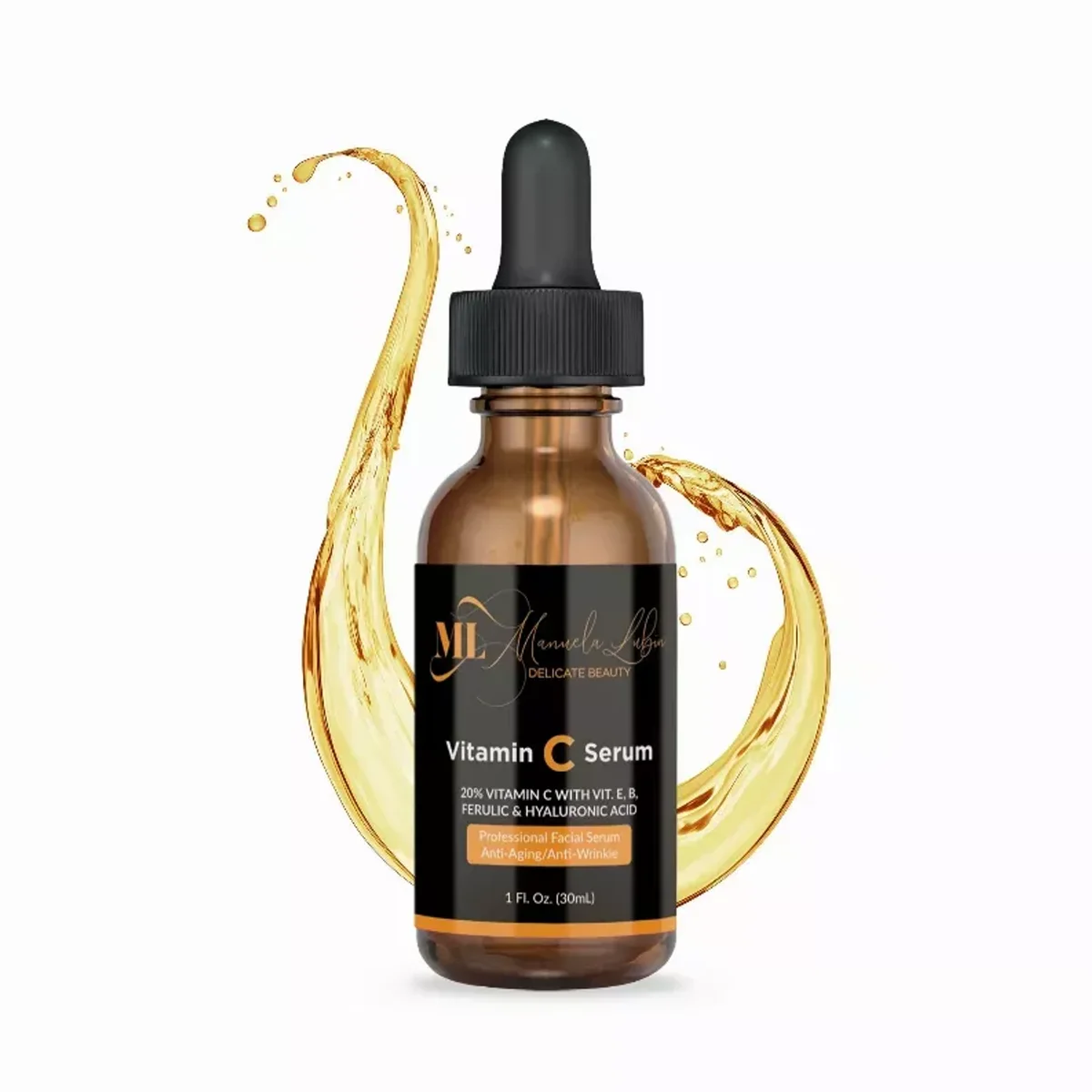
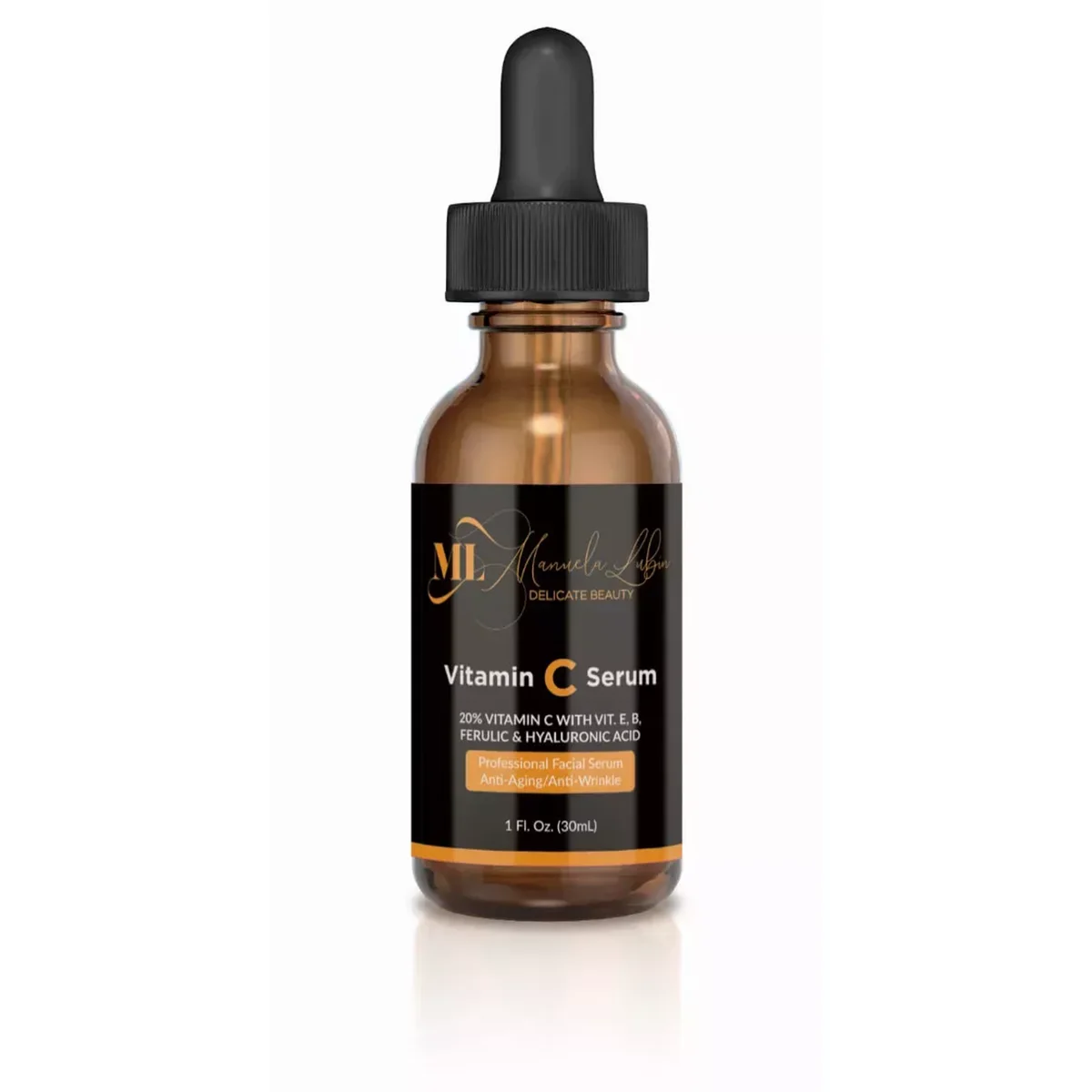
- Vitamin C serum
- Moisturizer
- Sunscreen SPF 30+, reapplied if outdoors
Evening
- Cleanser
- Exfoliating acid 2 to 3 nights a week, or a retinoid on the others
- Moisturizer
Thinnest to thickest, water-based before oil-based, sunscreen last in the morning and first off at night. Add one new product at a time and give it two weeks. The routine tool orders whatever you own.
On the site for dullness and uneven tone
All →Tagged from the maker's own description; serums and oils, masks and exfoliants, toners and mists, moisturizers first. Read each label against the list above.
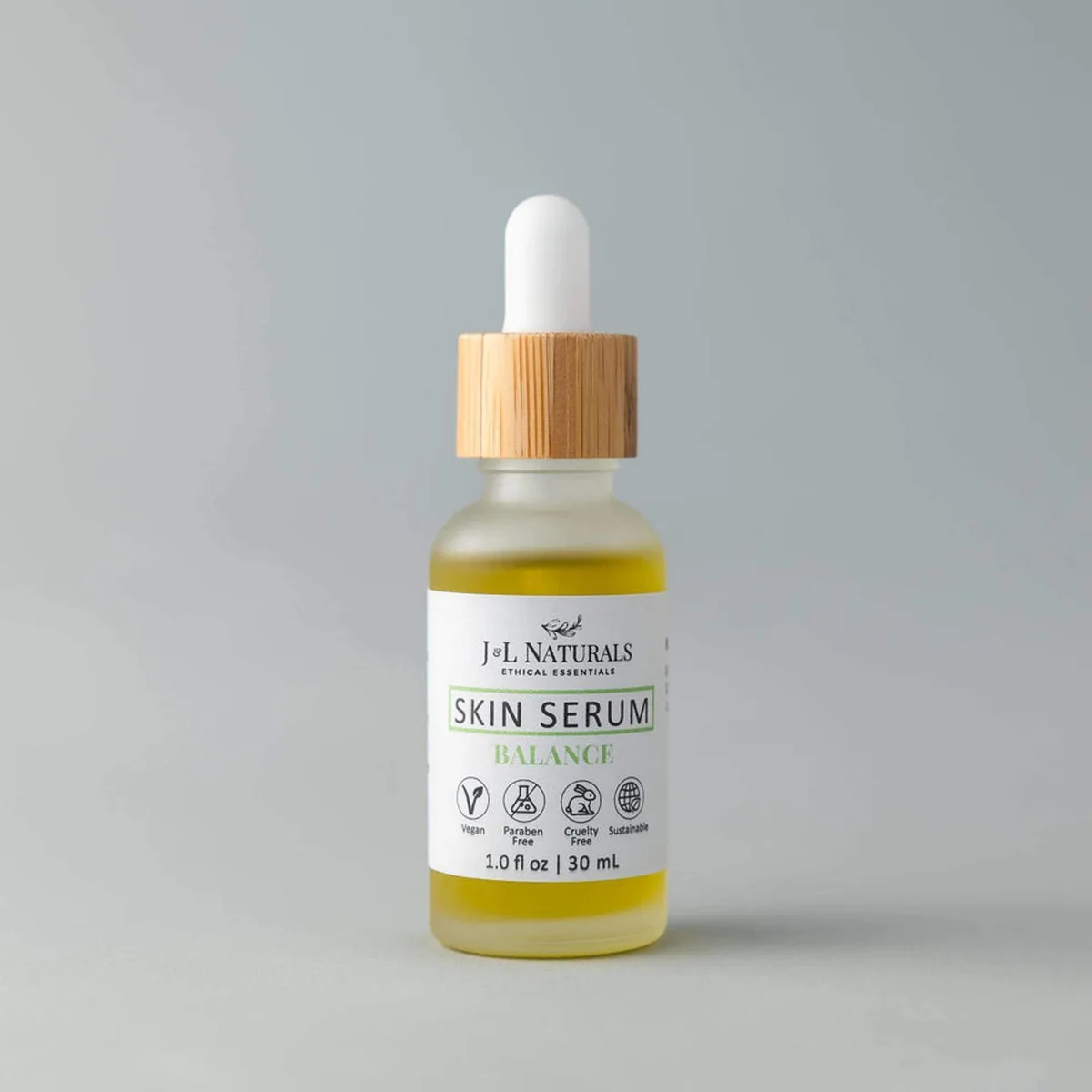 Made in the USA
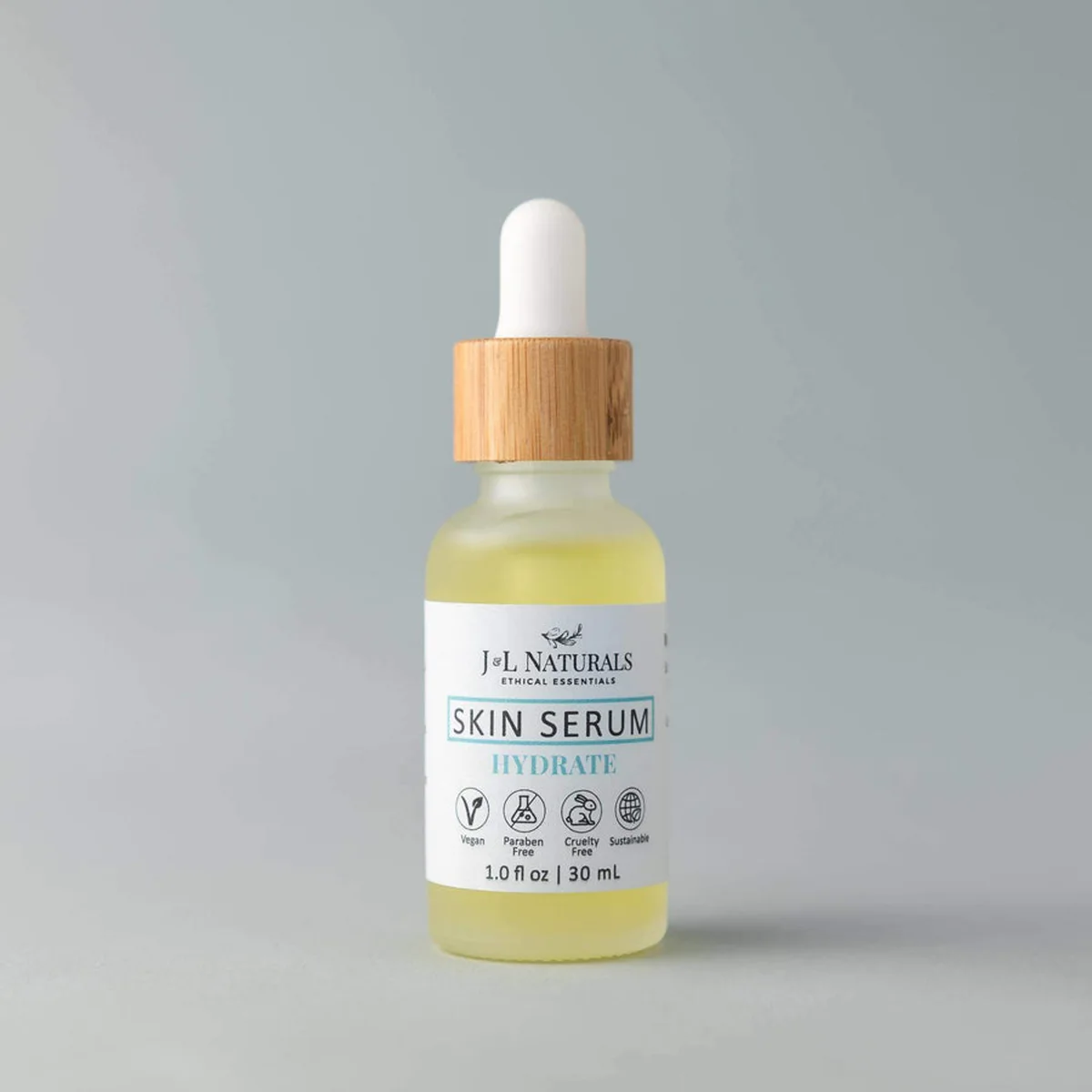
 Made in the USA
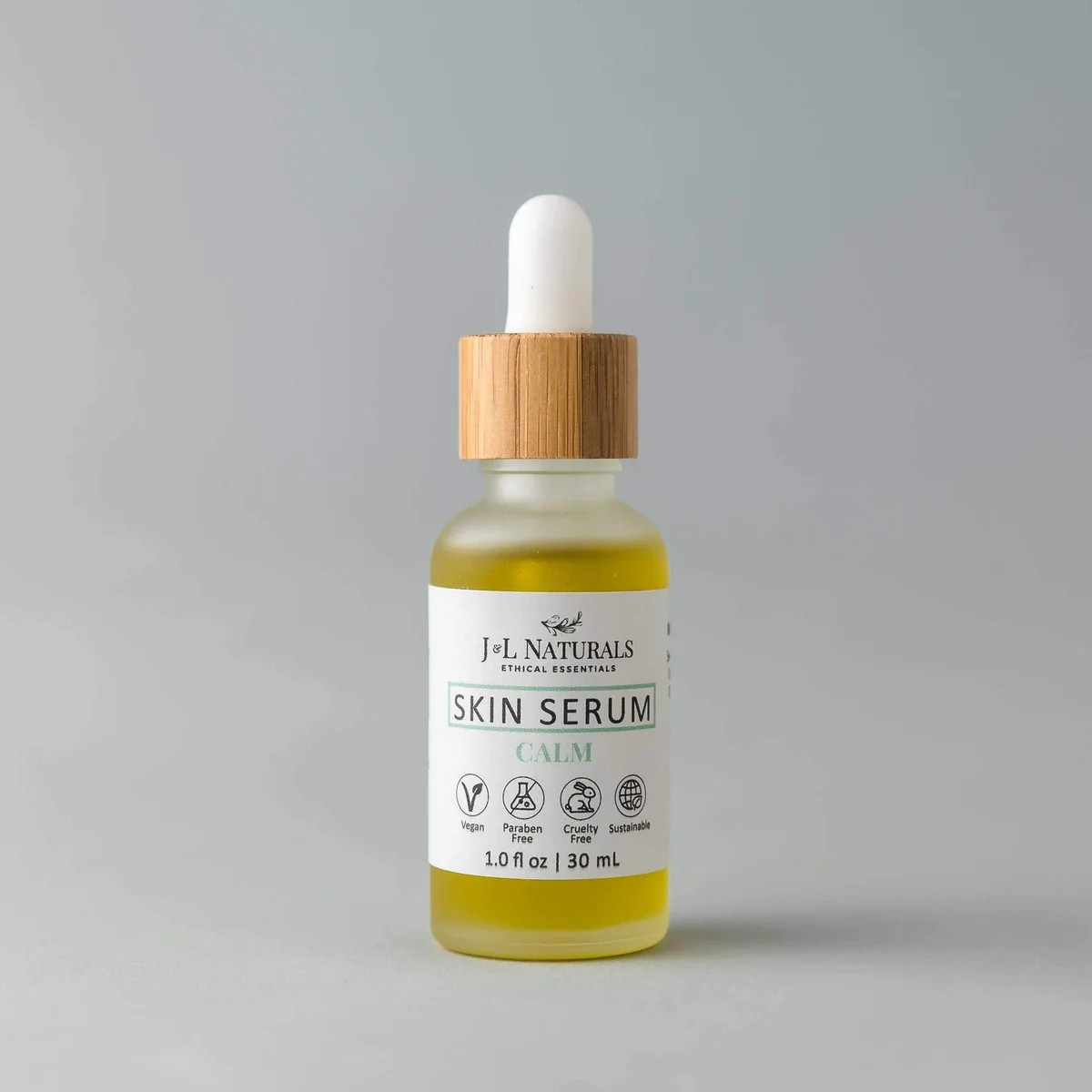
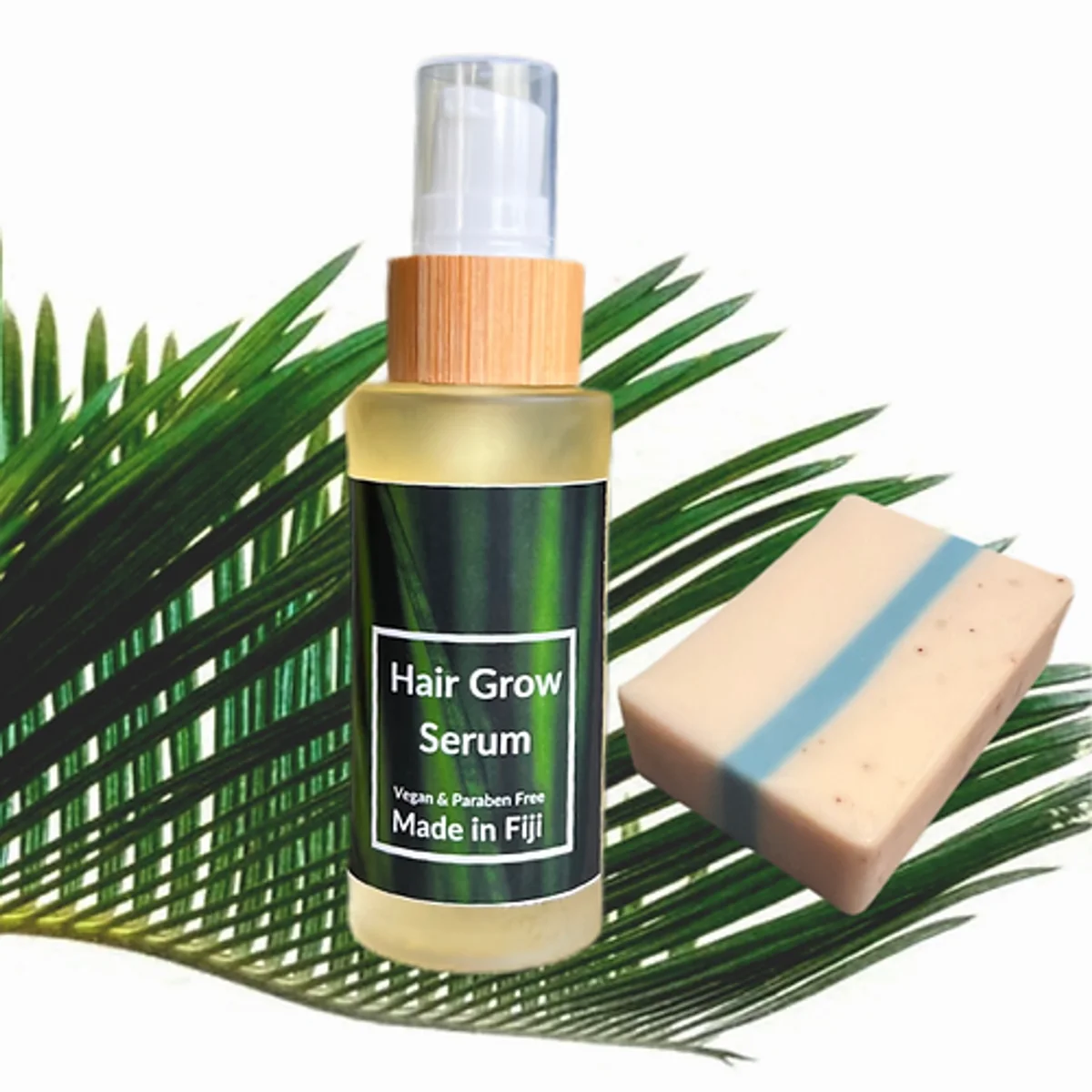 Made in the USA
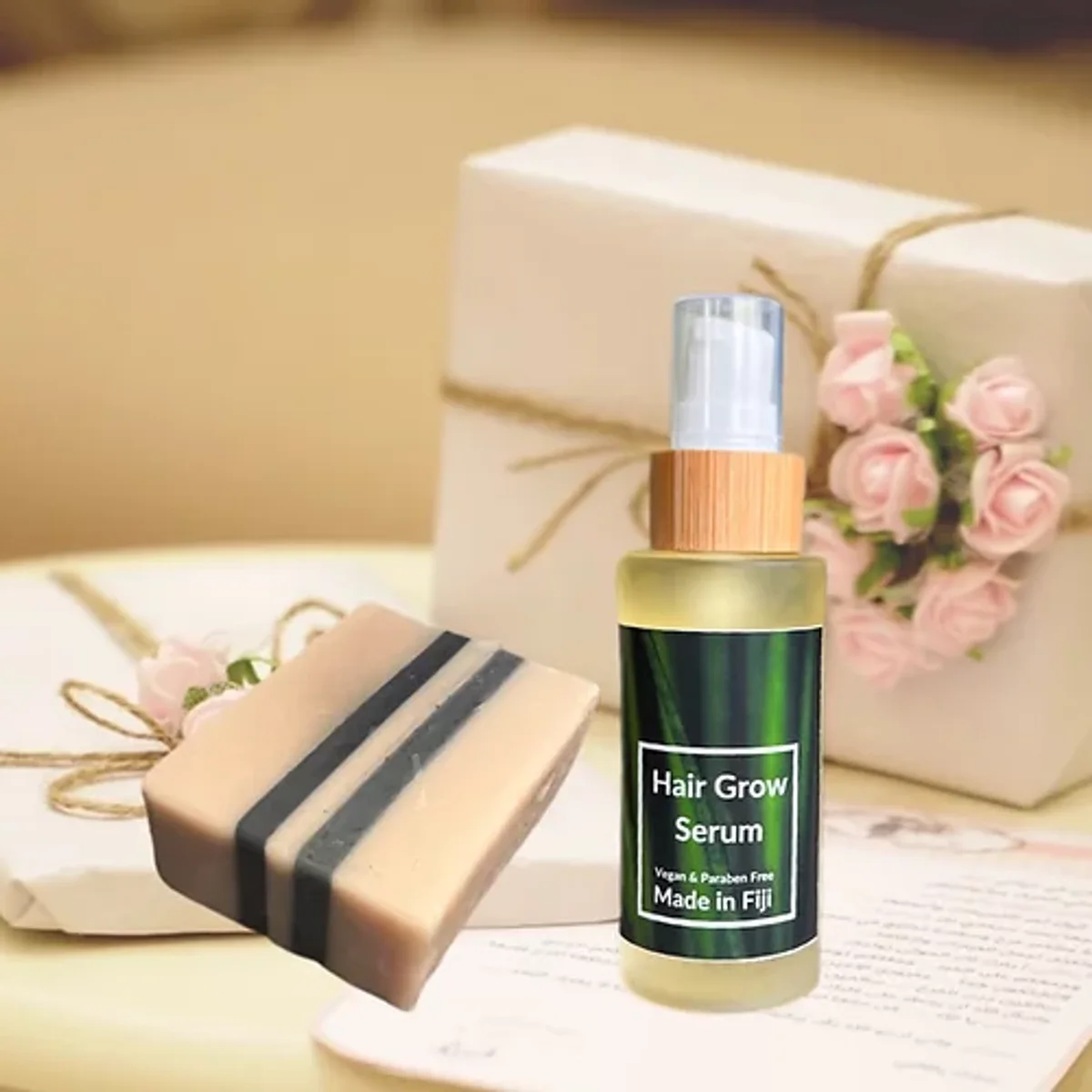
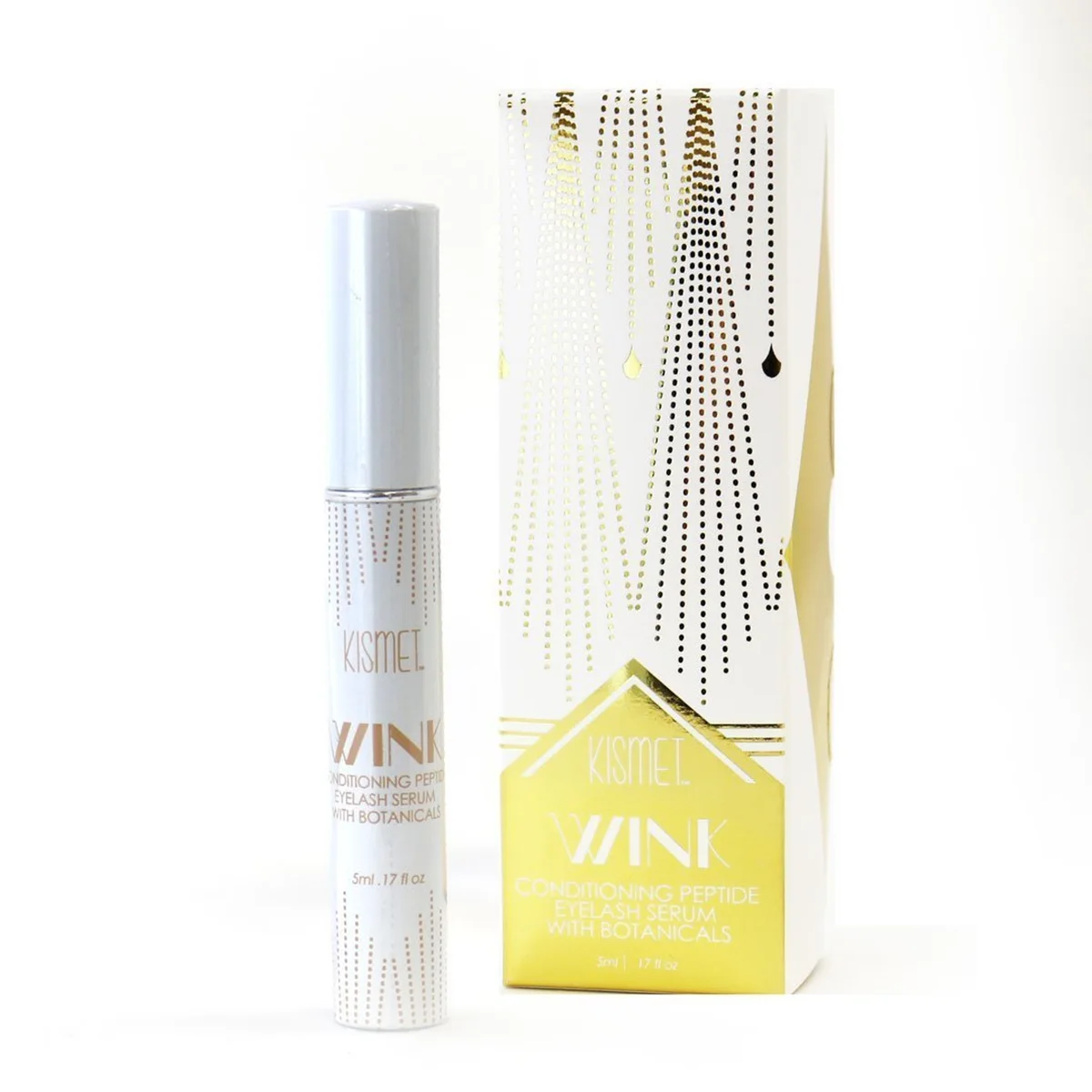 Made in the USA
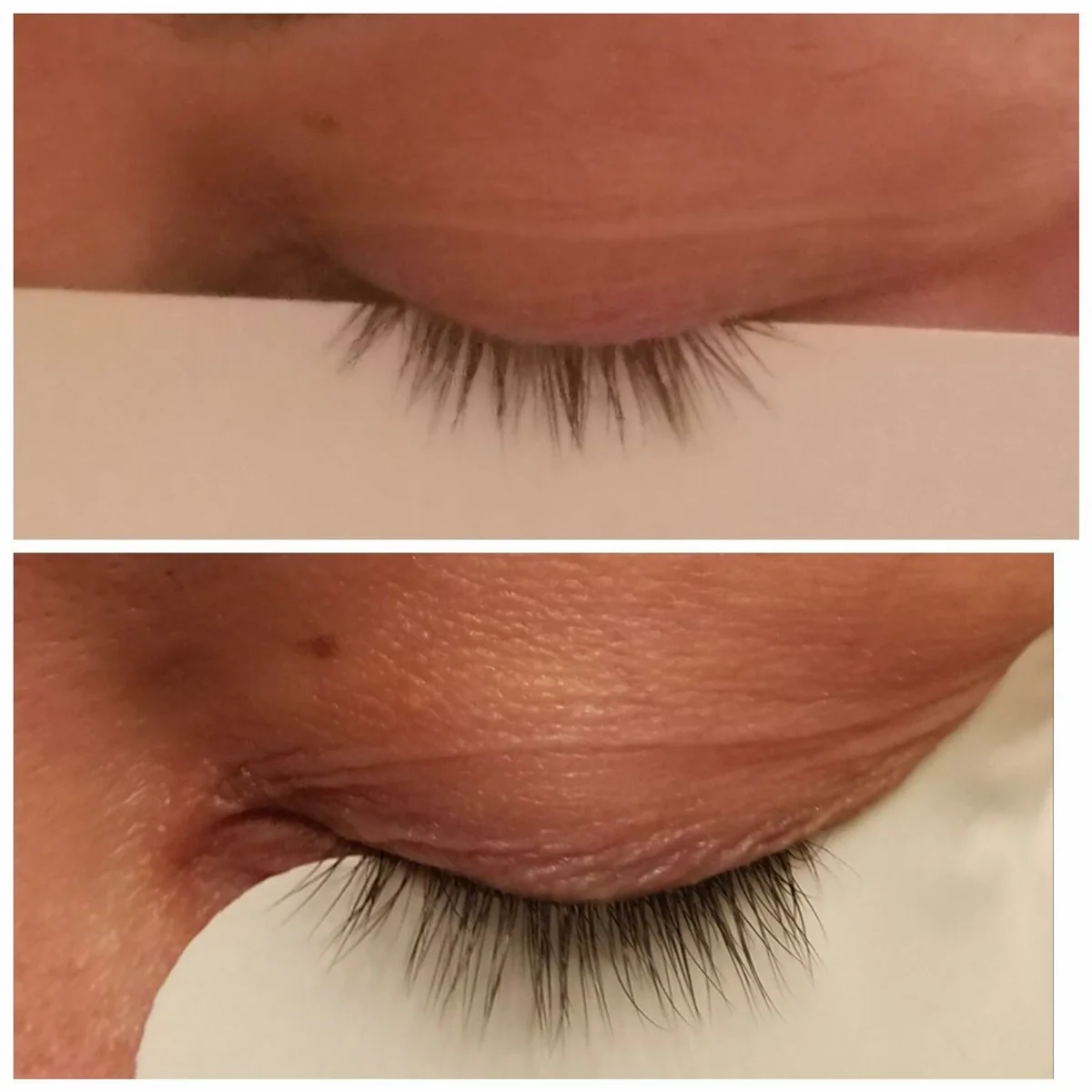
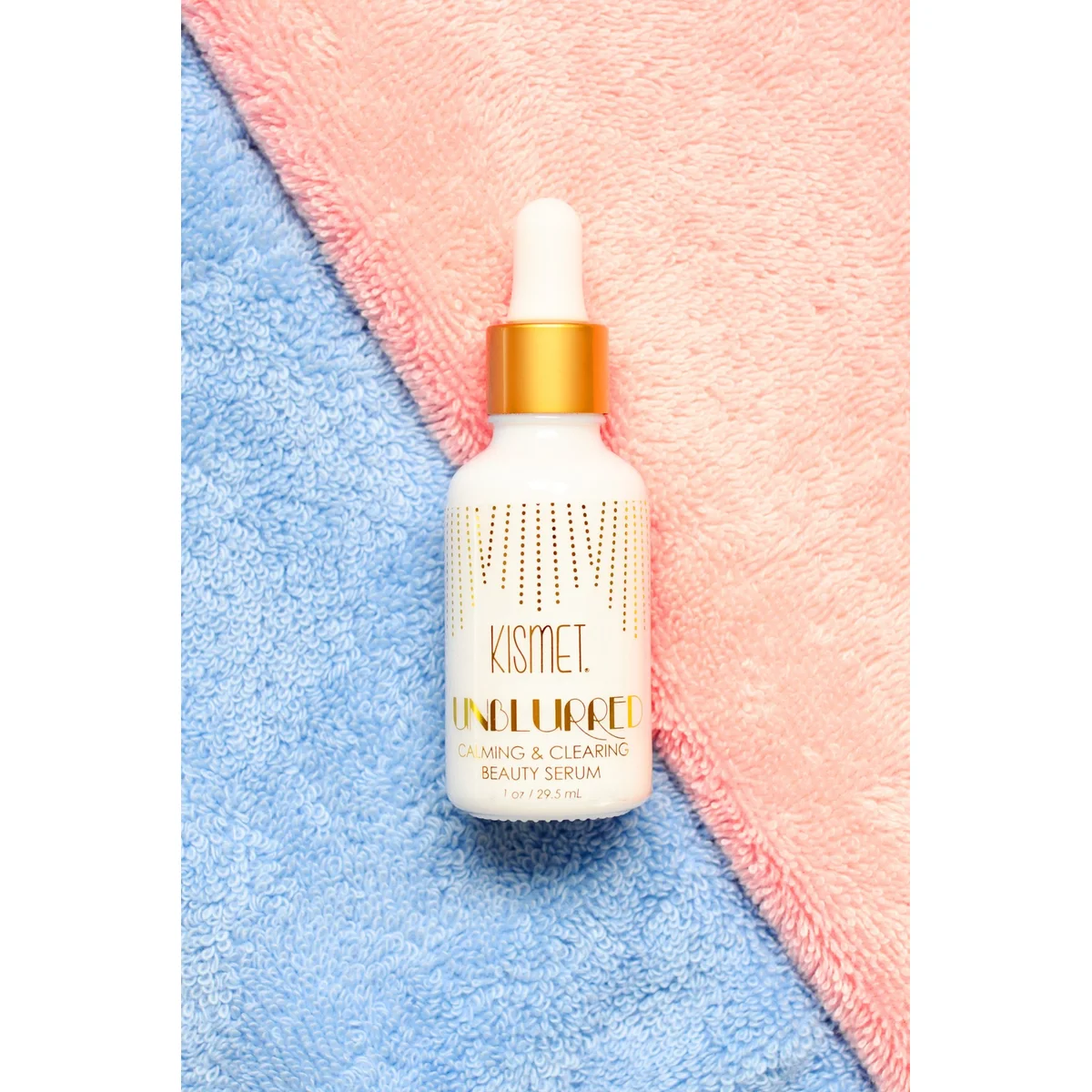 Made in the USA
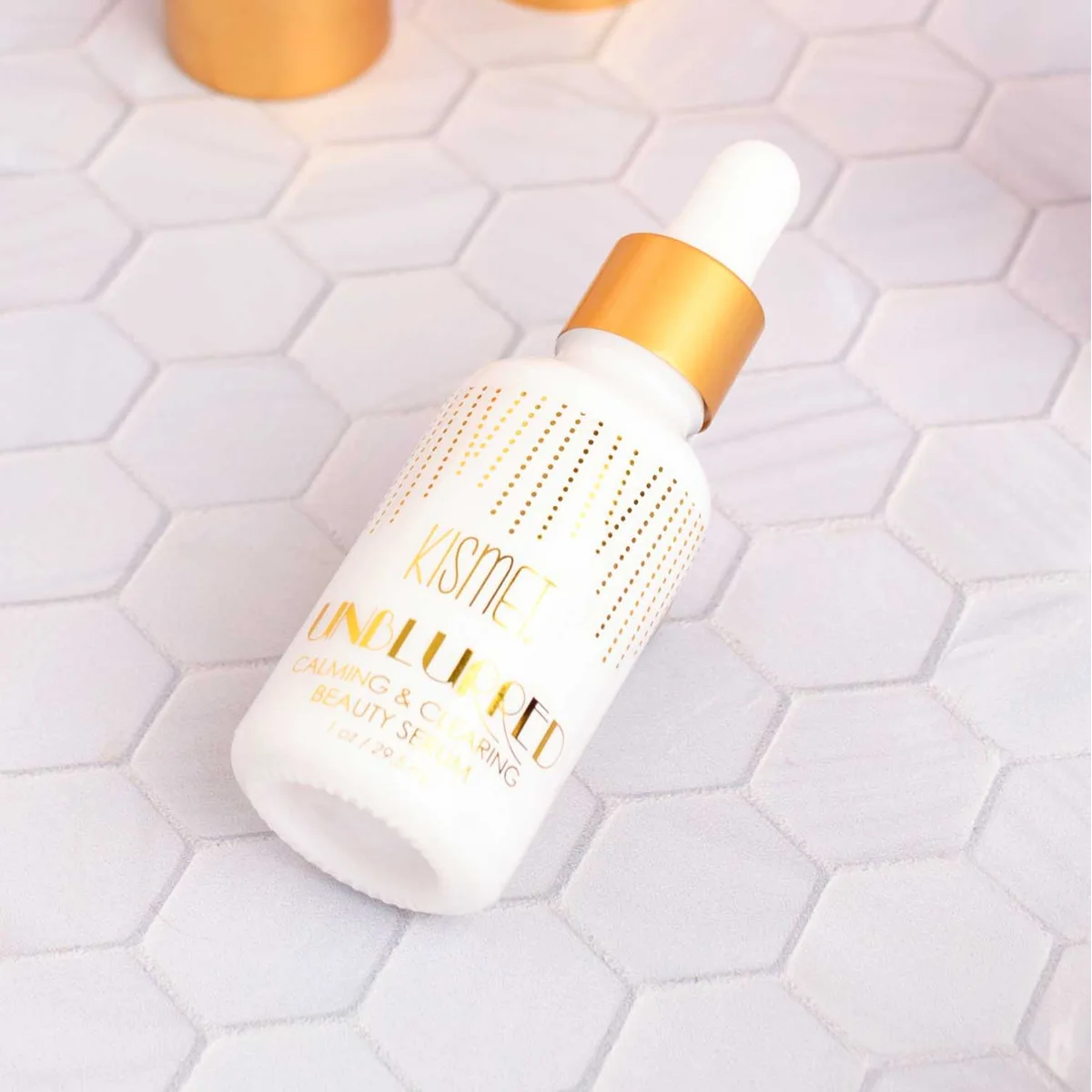
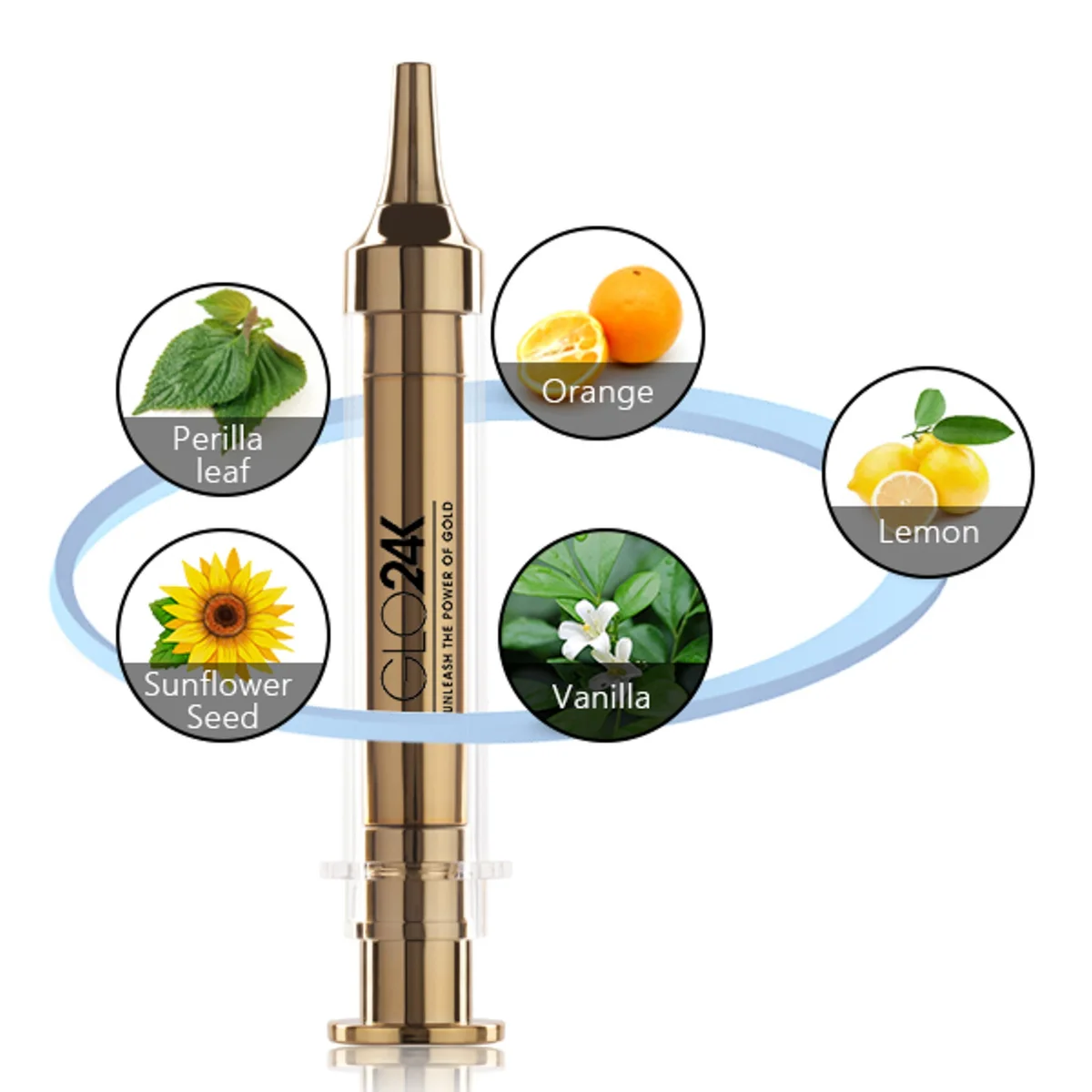 Made in the USA

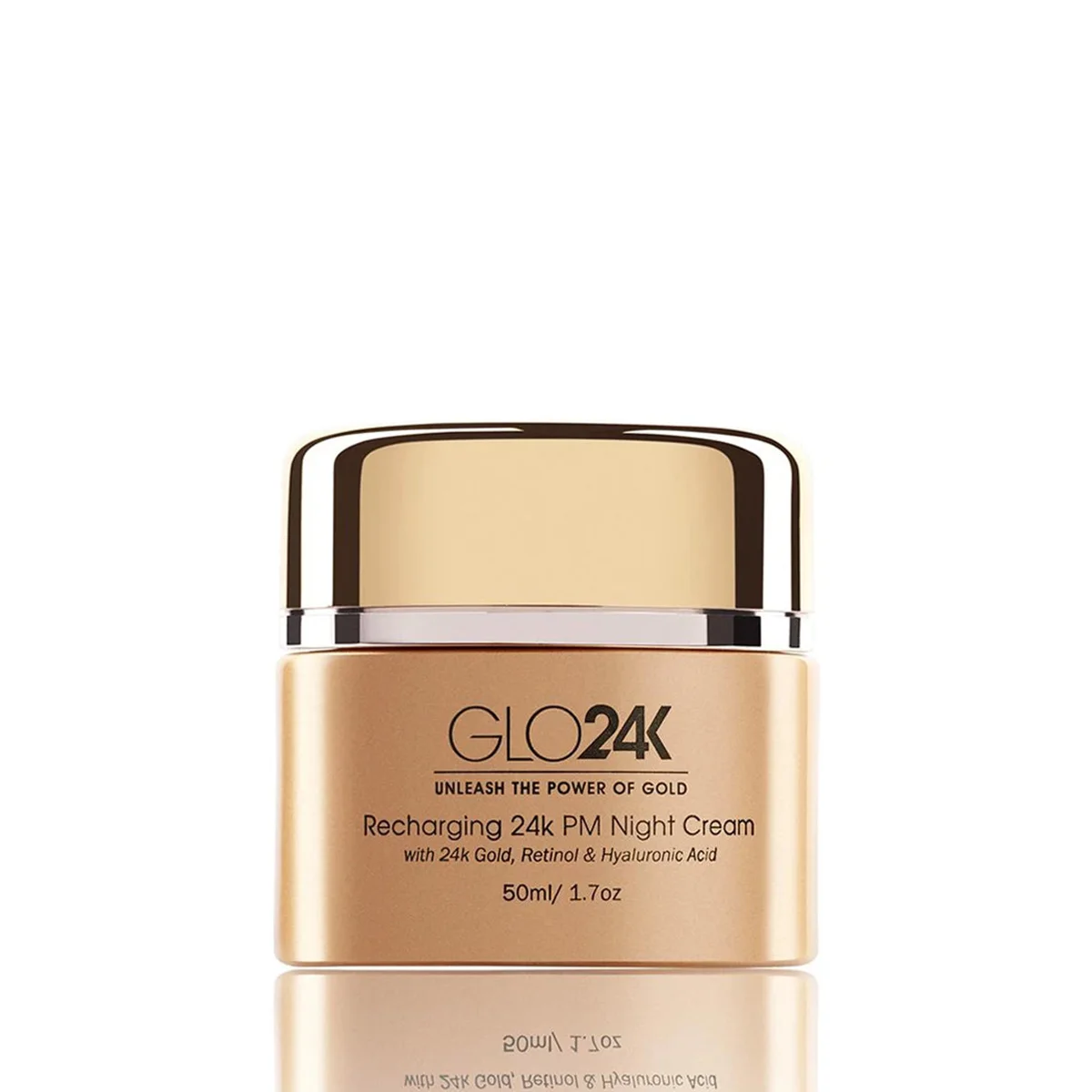 Made in the USA
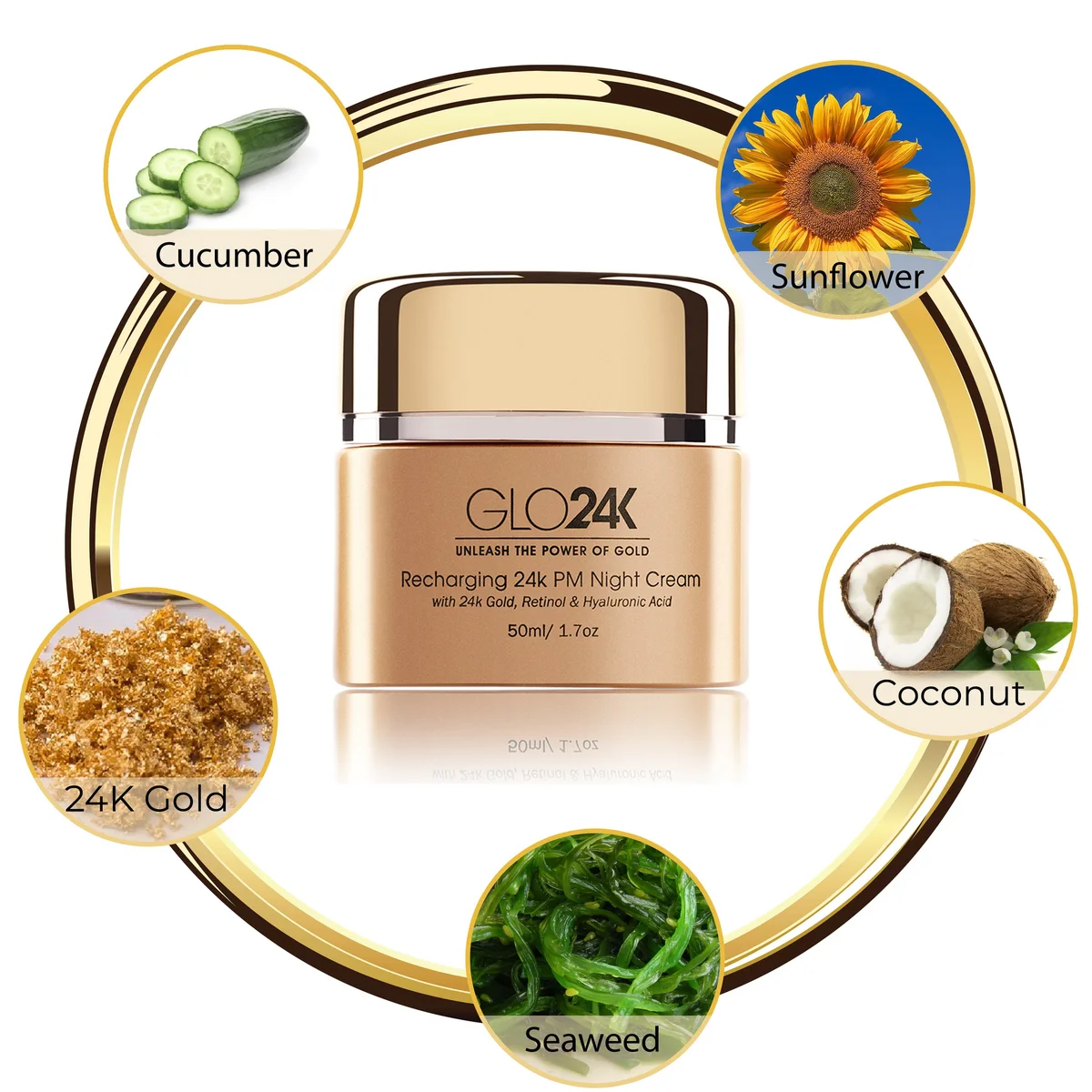
 Made in the USA
Other concerns, combination skin
Dew & Balm describes ingredients and label categories from the public record (FDA OTC monographs, the EU CosIng database, PubMed) and makes no claim about what a product will do for you. A concern that persists, hurts, bleeds or spreads is for a dermatologist, and anything on prescription is between you and yours.