
Ingredient glossary / Humectant
Glycerin (glycerol)
On the label: Glycerin · Humectant
What it is
A sugar alcohol from vegetable oils or made synthetically; the most used humectant in skin care and one of the best studied. Usually sits high in the list of any moisturizer.
Humectants: Humectants draw water into the outer layer of skin from the air and the layers below; glycerin is the classic one.
Wikidata: Chemical compound. Q132501 →
In the research
378 PubMed papers mention it with skin, cosmetics or hair; the three most recent:
- Glycerin suppositories as inexpensive multi-sequence MRI skin markers · Skeletal radiology, 2026
- External abdominal support intervention for preterm infants receiving non-invasive positive pressure support: A case series · Journal of neonatal-perinatal medicine, 2026
- Therapeutic effects of ethanol extract of propolis on experimental cutaneous candidiasis in horse · Veterinary research forum : an international quarterly journal, 2026
A paper is a paper, not a verdict: titles are listed so you can read them, and a study on cells or mice says little about a cream on a face.
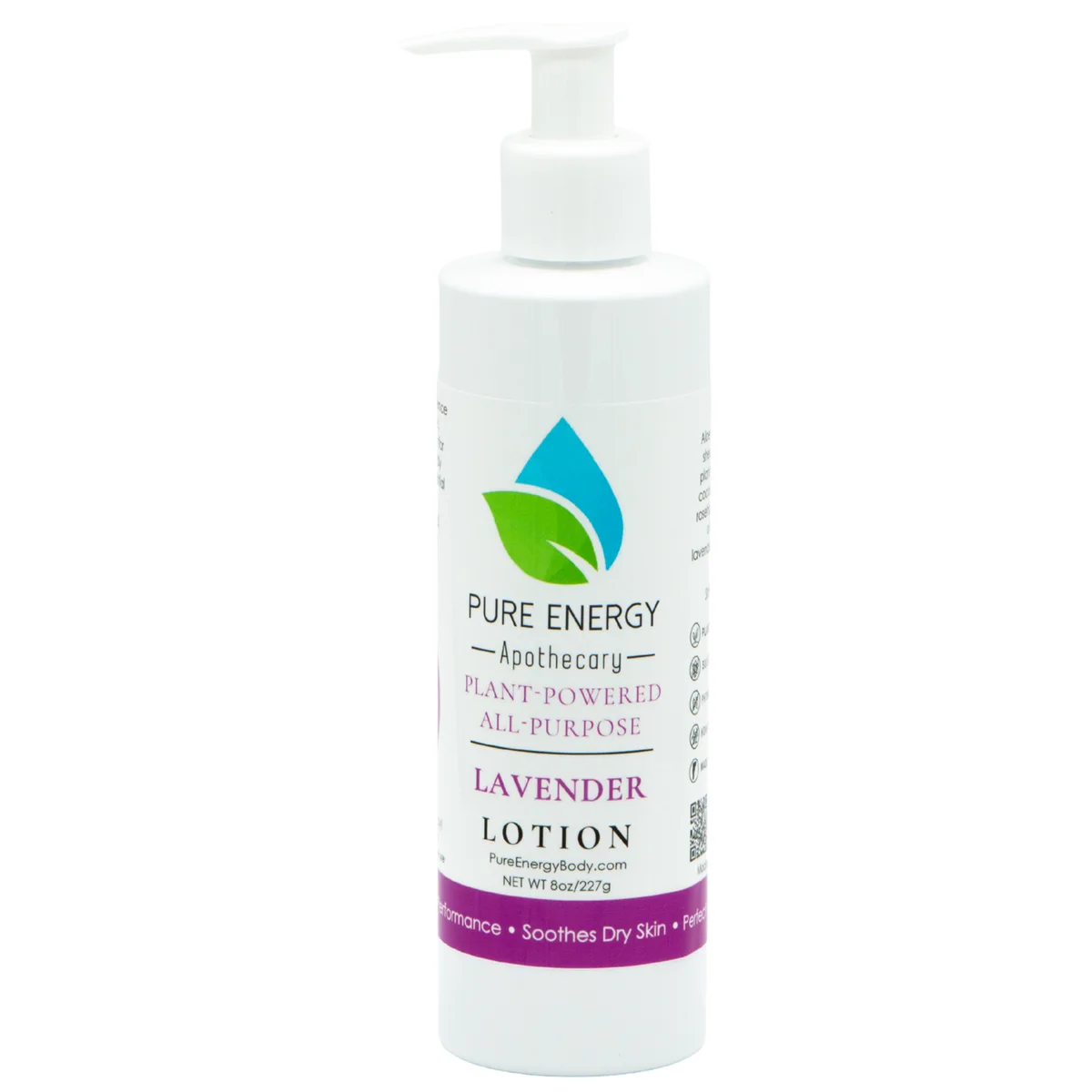
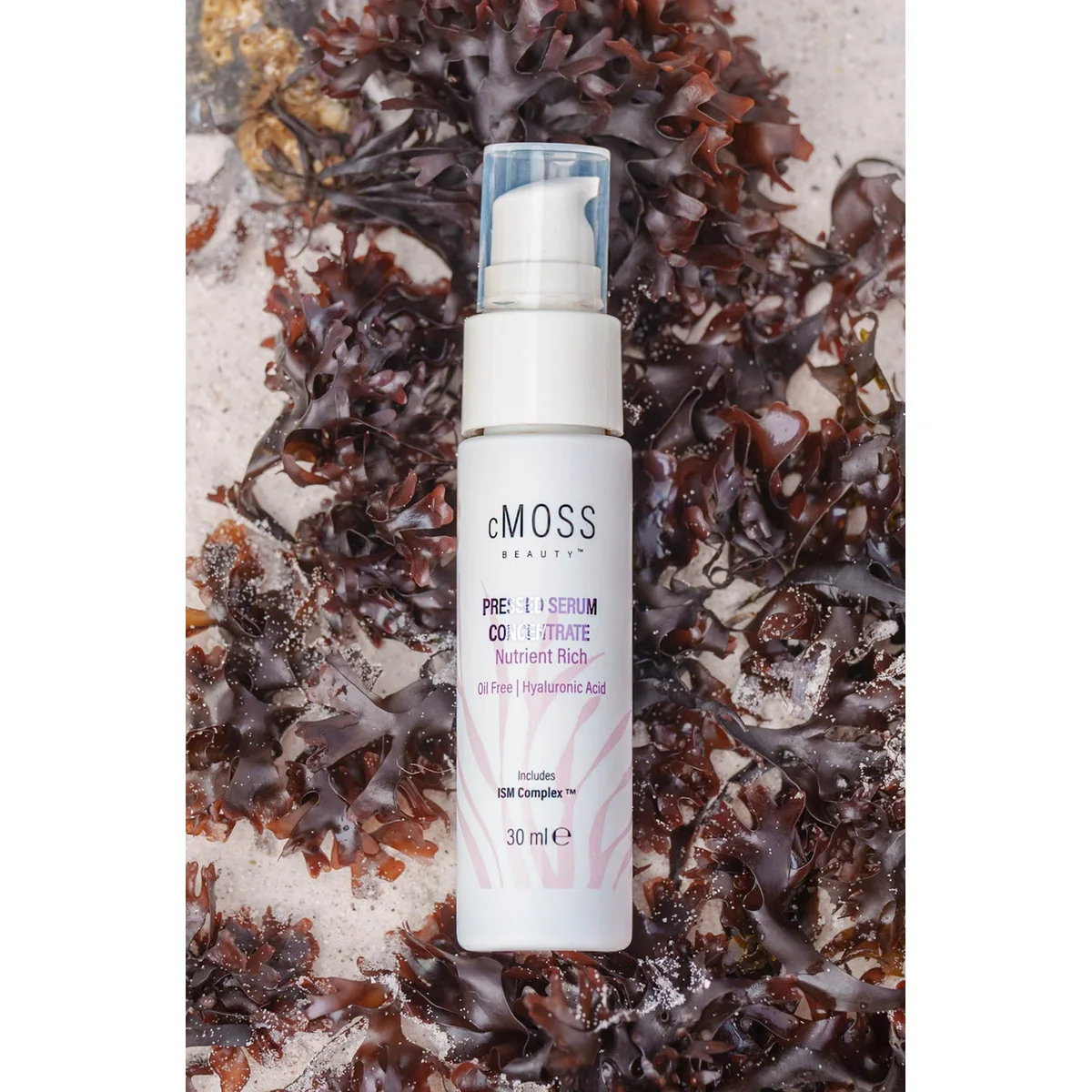
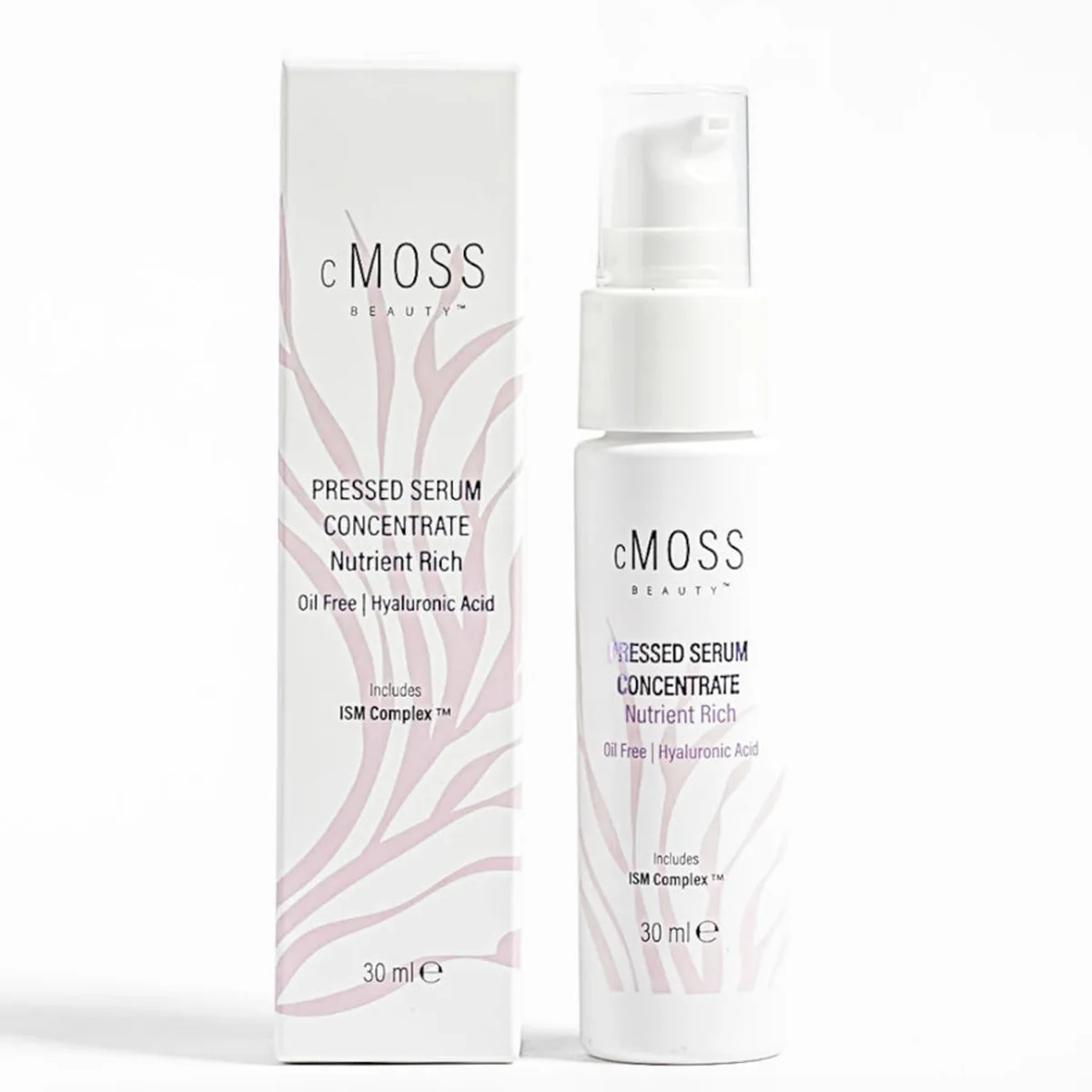
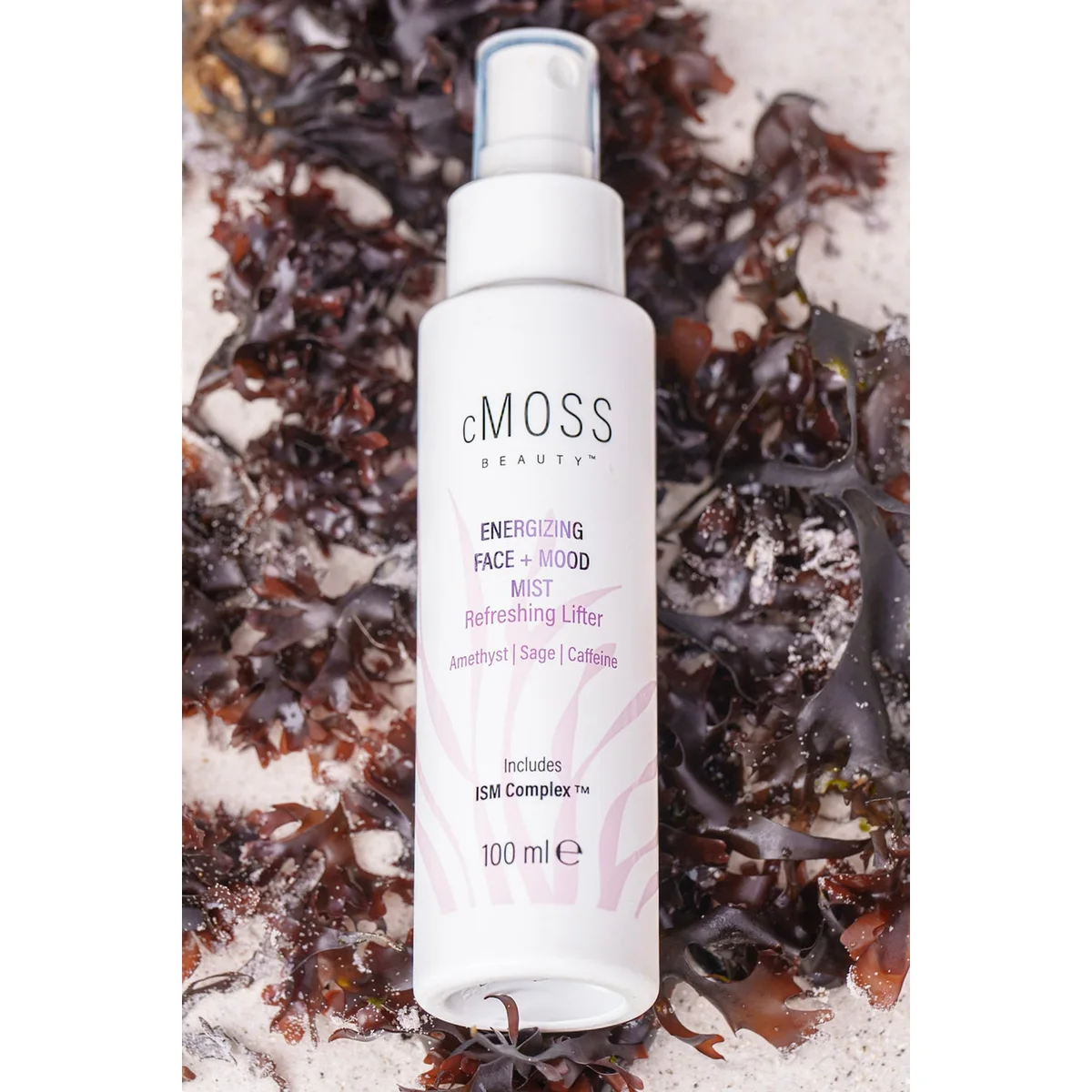
Products whose label lists it
24 on the siteMatched from the ingredient list the supplier printed; the position in the list (first or thirtieth) is on each product page.
 Made in the USA
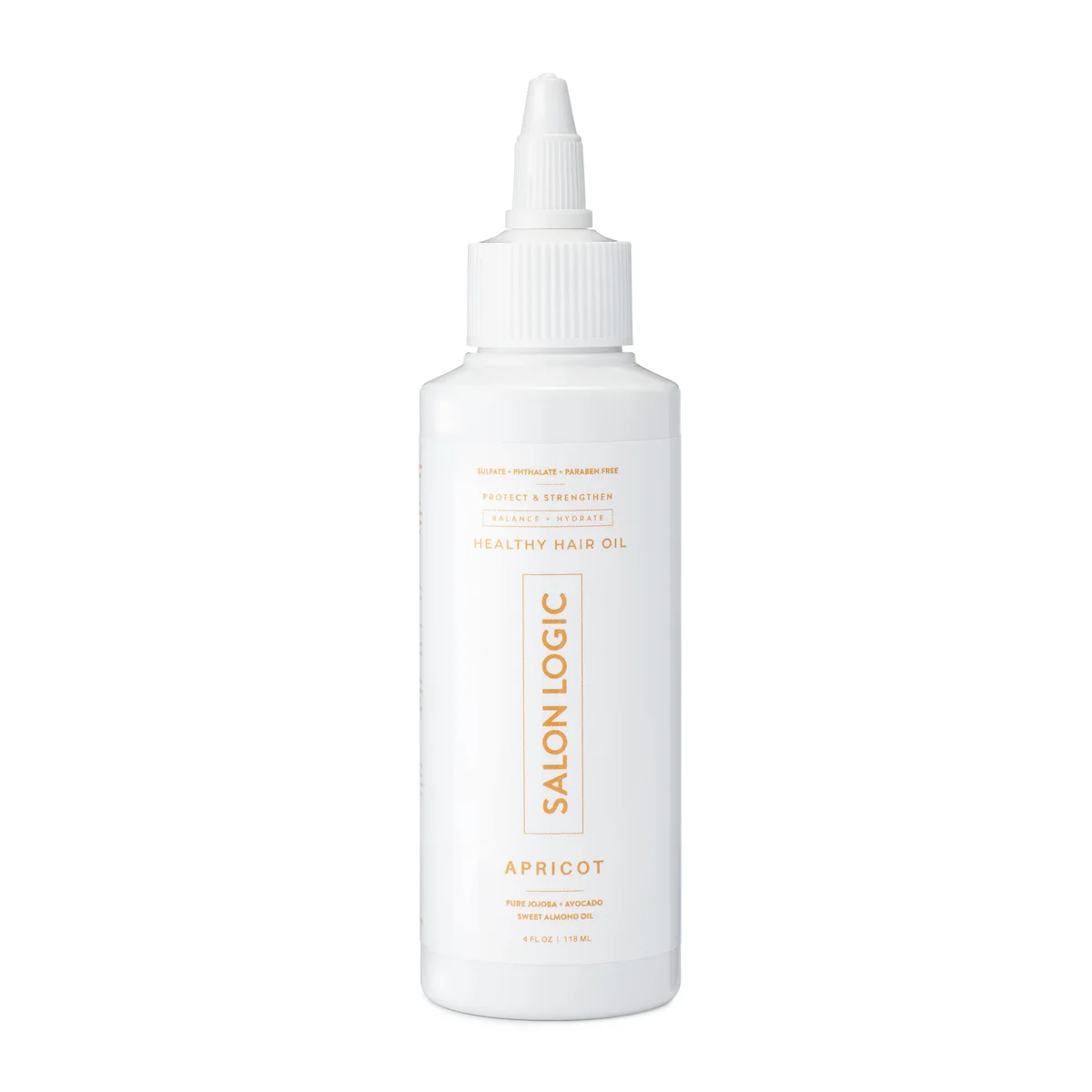 Made in the USA
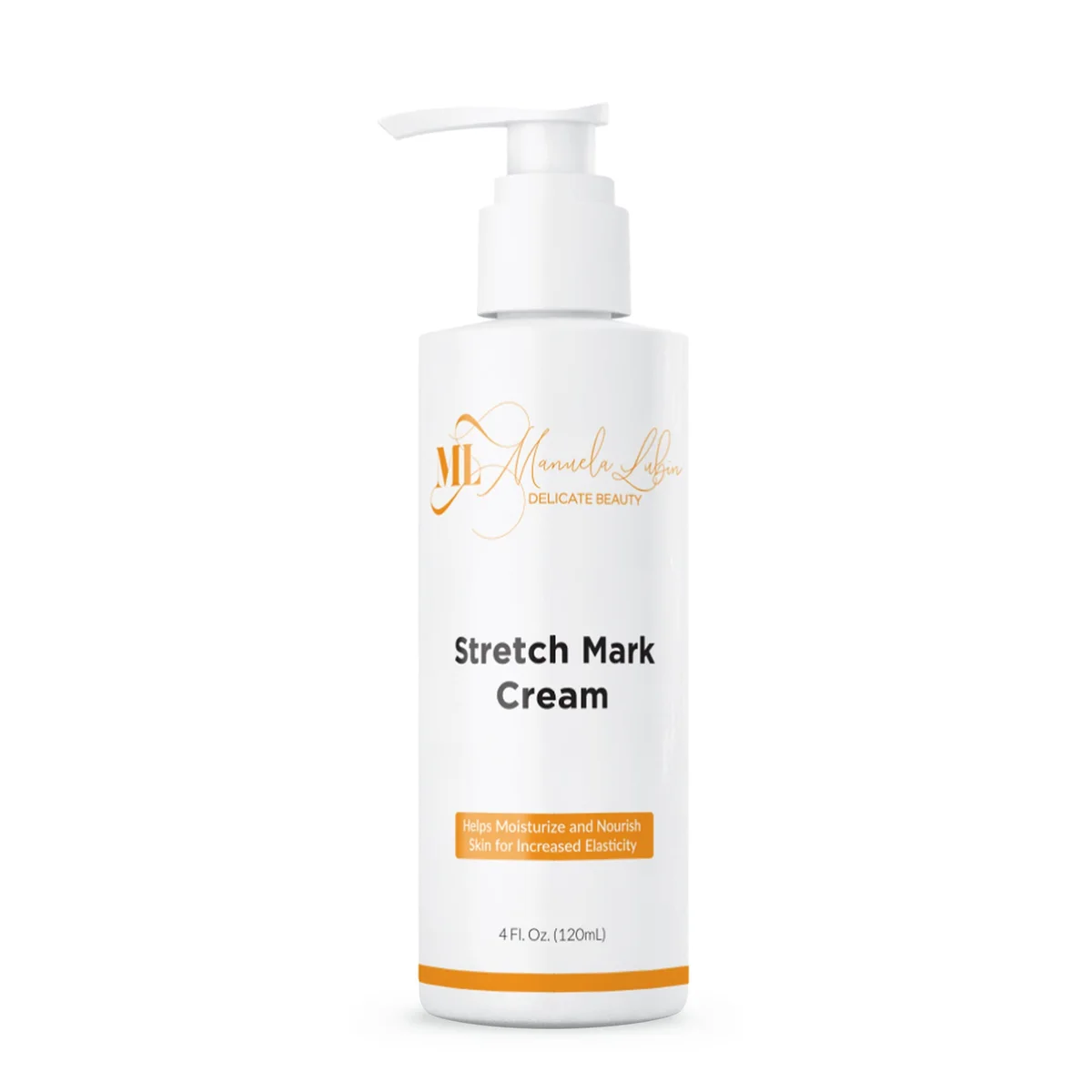 Made in the USA
 Made in the USA
 Made in the USA

 Made in the USA
 Made in the USA
 Made in the USA

Other humectants
Dew & Balm describes ingredients from the public record and makes no claim about what a product will do for you. Statements about dietary supplements have not been evaluated by the FDA. If a product causes a reaction, stop using it; a reaction that spreads or affects breathing is a call to a doctor or 911.