
Ingredient glossary / Humectant
Hyaluronic acid
On the label: Hyaluronic Acid · Humectant
What it is
A large sugar molecule found naturally in skin and joints, used in skin care to hold water at the surface. On a label it often appears as its salt, sodium hyaluronate.
Humectants: Humectants draw water into the outer layer of skin from the air and the layers below; glycerin is the classic one.
Wikidata: Chemical compound. Q27078001 →
In the research
5,679 PubMed papers mention it with skin, cosmetics or hair; the three most recent:
- PVA and HPMC E4M-based patches for periorbital hyperpigmentation containing açaí oil, barbatimão extract and hyaluronic acid: Preliminary evaluation of skin hydration · In vitro models, 2026
- HIFU-Enhanced Transdermal Delivery of Hyaluronic-Acid-Functionalized Solid Lipid Nanoparticles for Localized Melanoma Therapy · ACS applied materials & interfaces, 2026
- Poly-d,l-lactic Acid for Hip Tightening · Plastic and reconstructive surgery. Global open, 2026
A paper is a paper, not a verdict: titles are listed so you can read them, and a study on cells or mice says little about a cream on a face.
Products whose label lists it
10 on the siteMatched from the ingredient list the supplier printed; the position in the list (first or thirtieth) is on each product page.
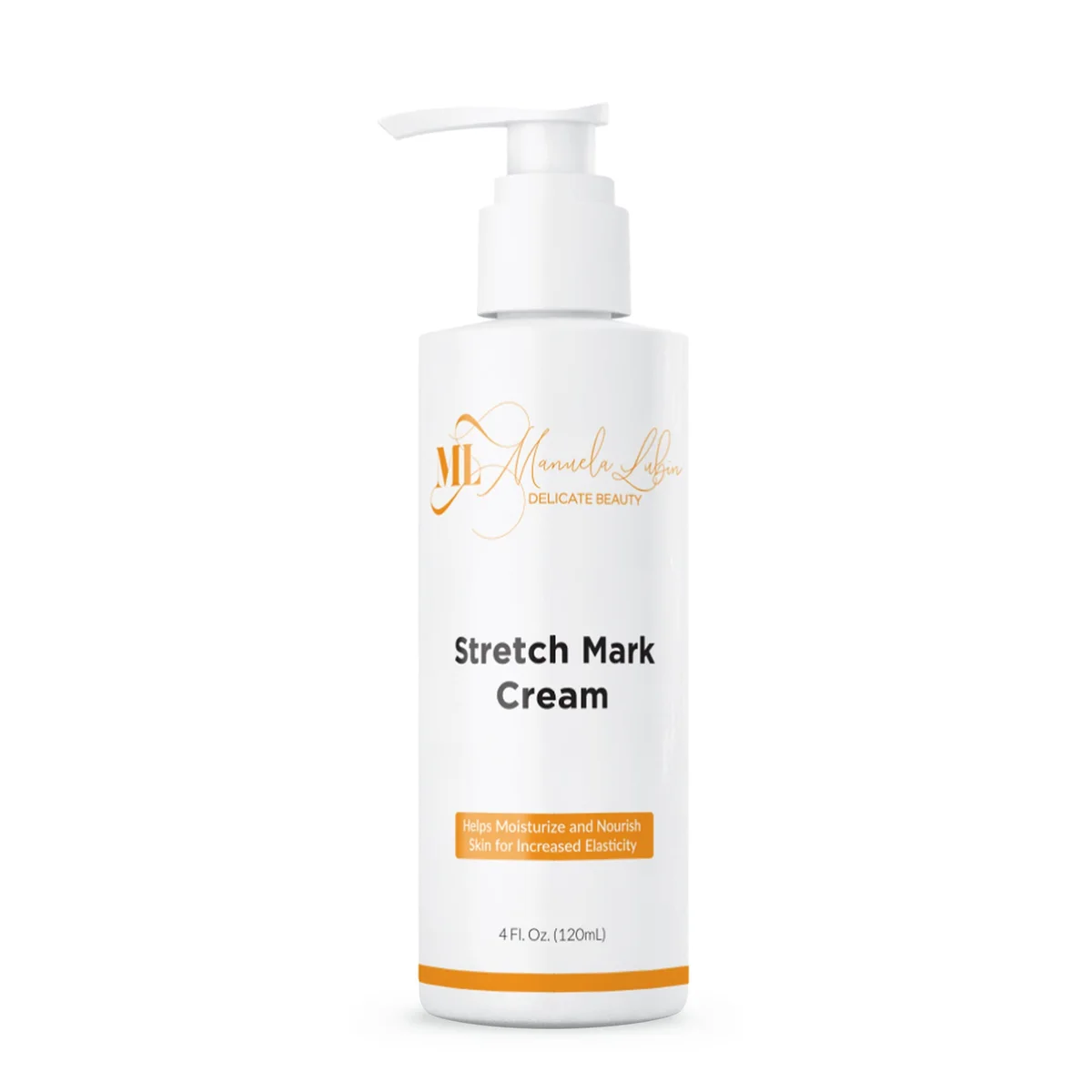 Made in the USA
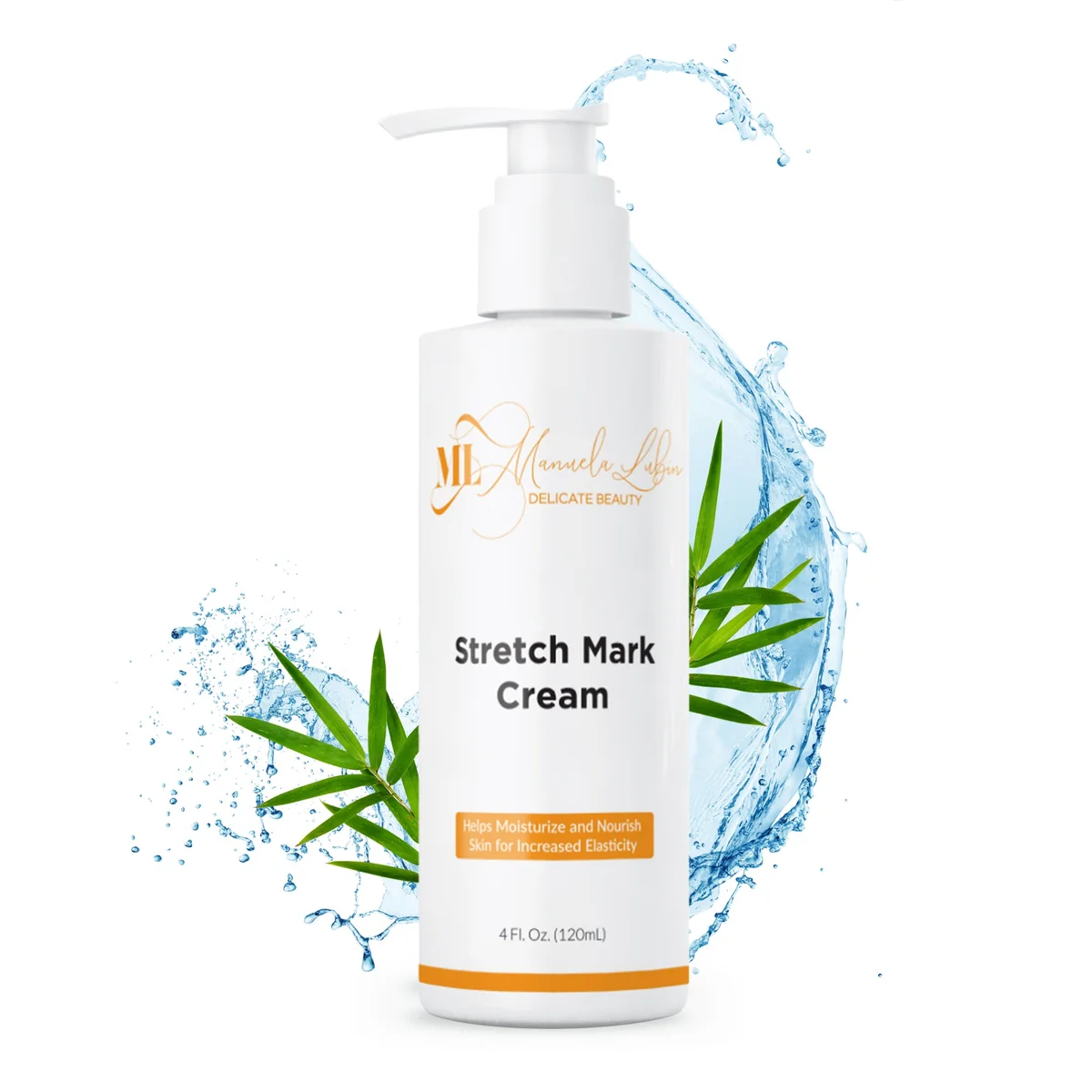
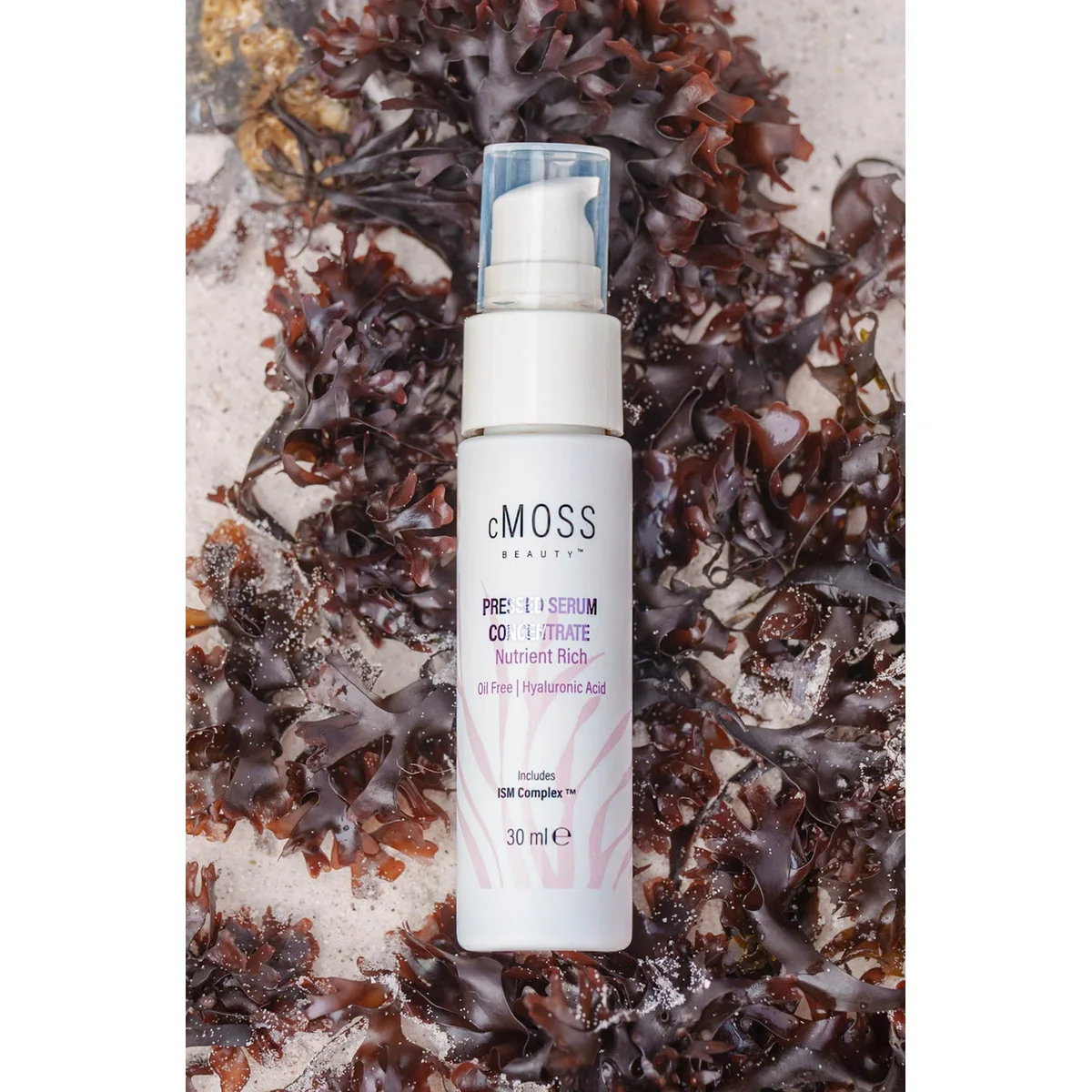 Made in the USA
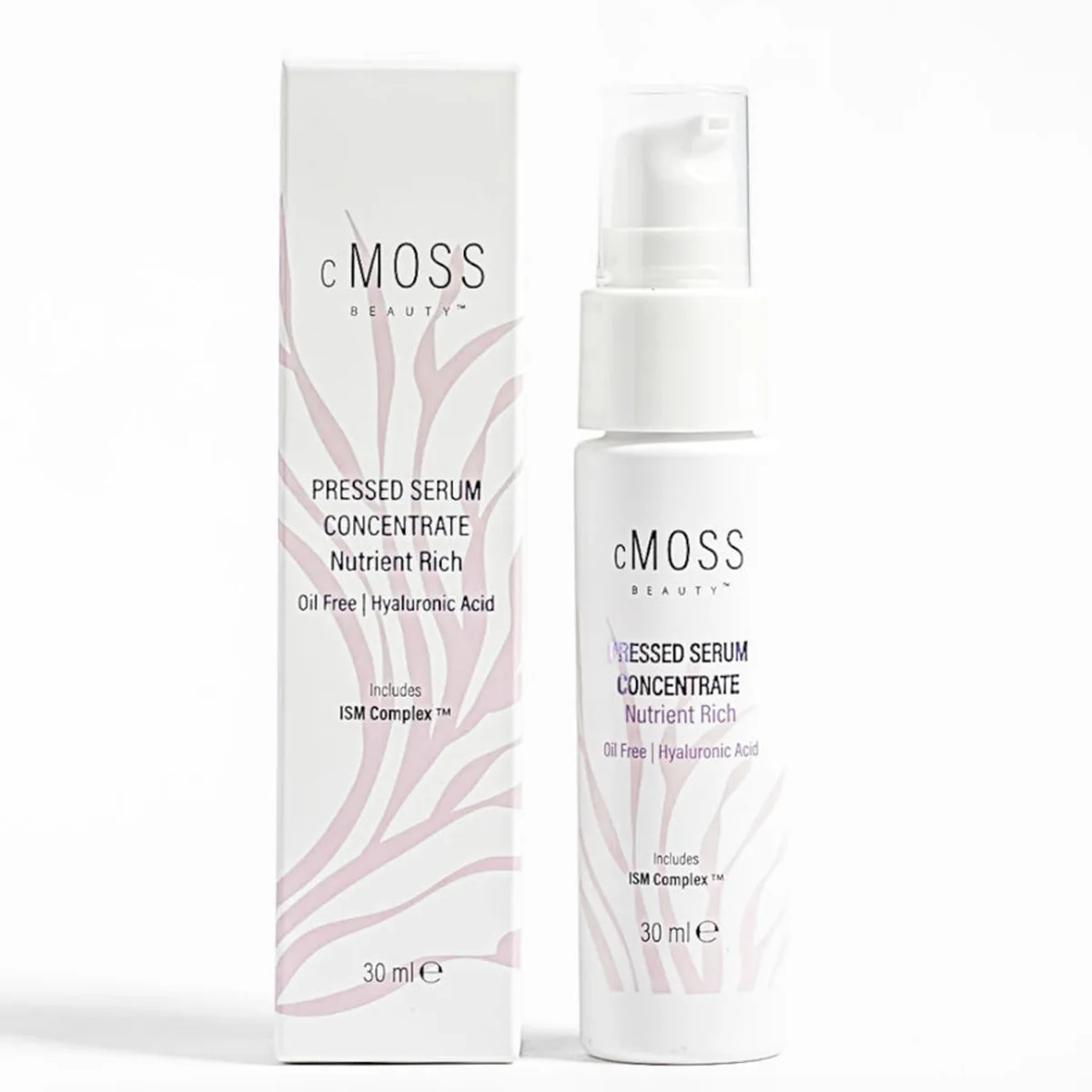
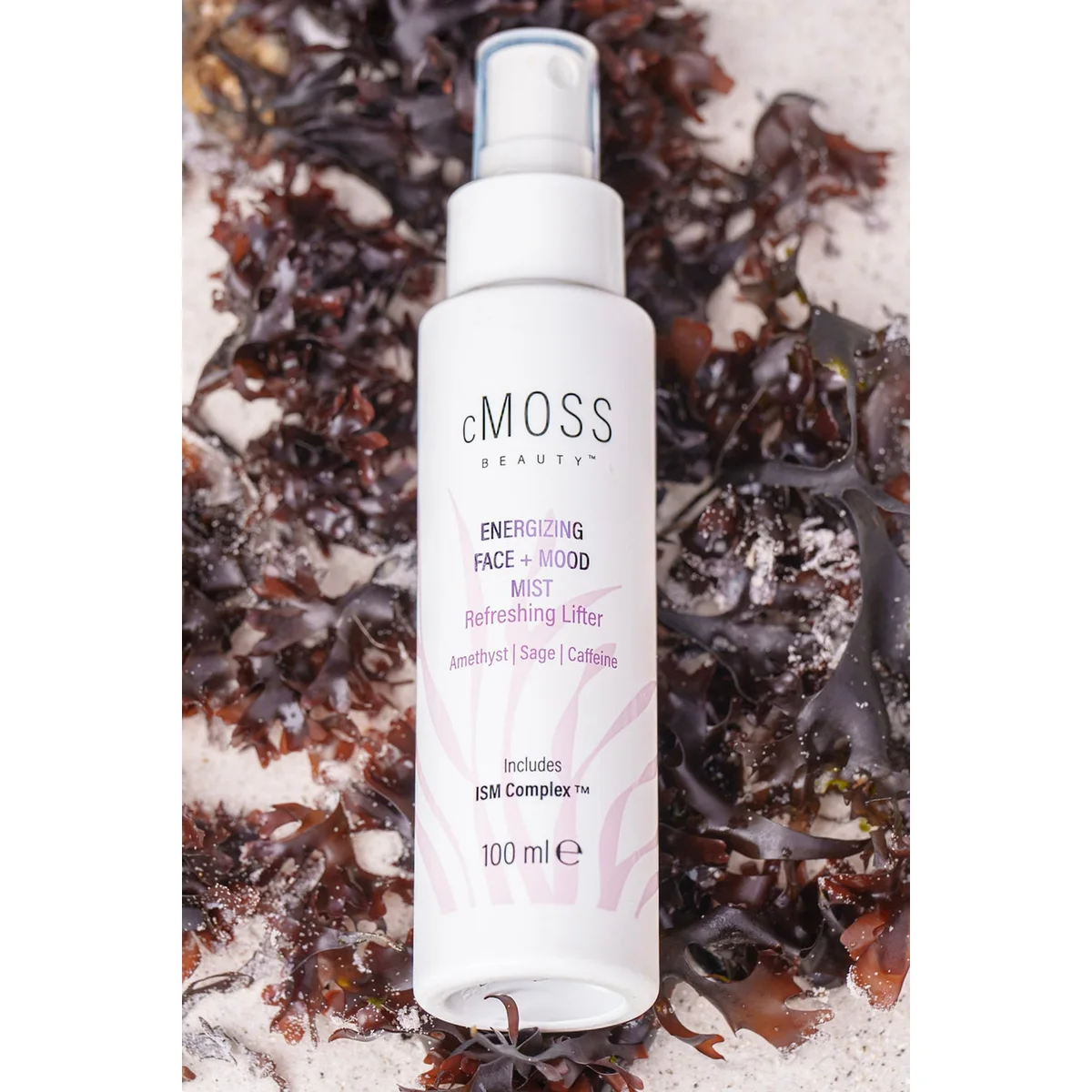 Made in the USA
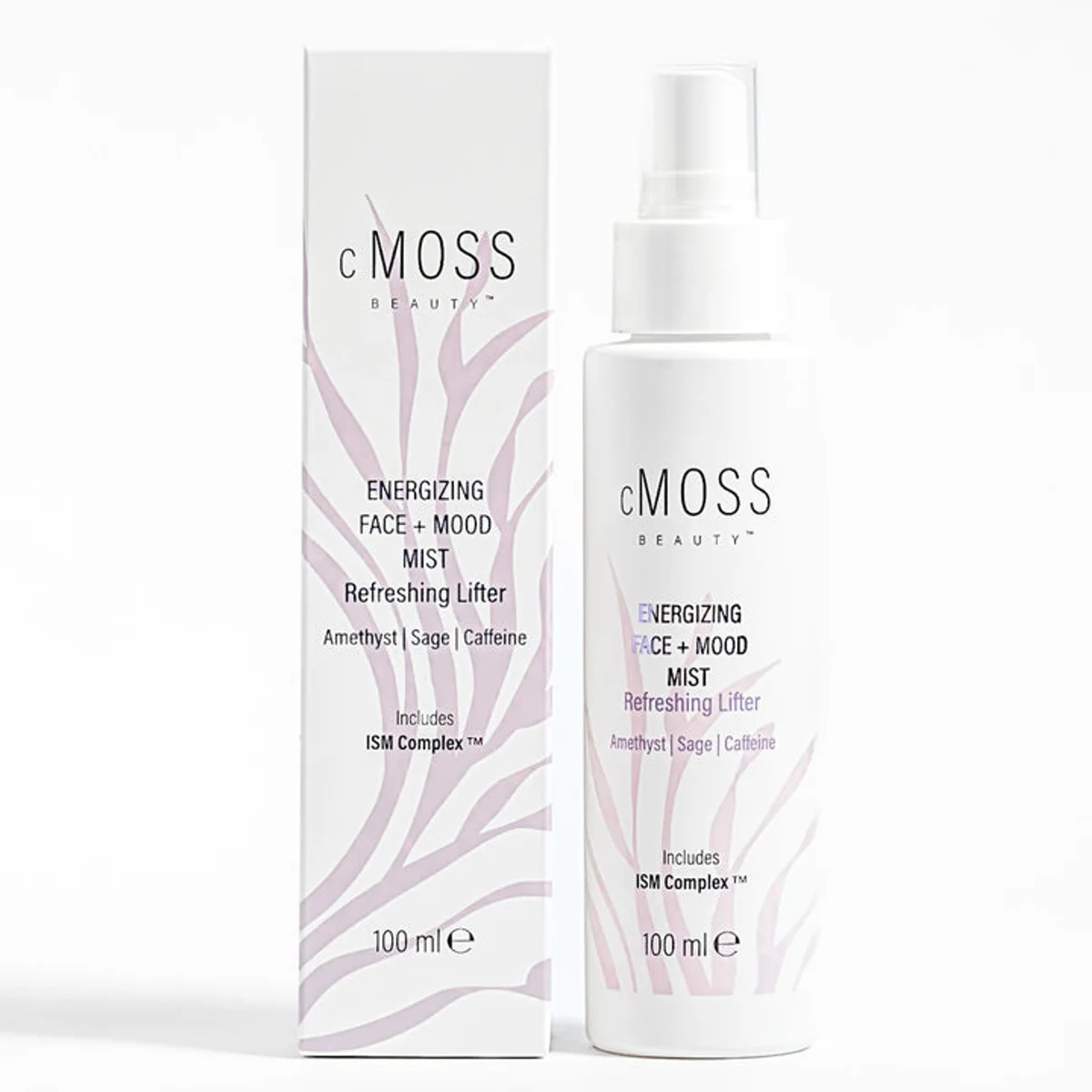
 Made in the USA
 Made in the USA
 Made in the USA
 Made in the USA
 Made in the USA
Other humectants
Dew & Balm describes ingredients from the public record and makes no claim about what a product will do for you. Statements about dietary supplements have not been evaluated by the FDA. If a product causes a reaction, stop using it; a reaction that spreads or affects breathing is a call to a doctor or 911.