
Skin guide / Dry skin
Fine lines on dry skin
Dry skin shows lines first, so humectants give the quickest visible change. Start retinol the slow way and buffer it with moisturizer before and after; dry skin is the type most likely to peel.
What fine lines is
Fine lines come from less collagen and elastin with age, from sun (the largest controllable share), and from dryness that makes them show. Cosmetics address the showing part: humectants plump the surface, retinoids and peptides are the ingredients with the most published work, and sunscreen slows the rest. Nothing in a jar removes a wrinkle; a dermatologist can discuss what does.
What dry skin wants
Creams and balms over gels; cleansing oils, milks and balms over foams. An occlusive last step at night (petrolatum, shea, squalane) slows water loss while you sleep.
Cleanser: a cream, milk or oil cleanser. Go easy on: Foaming cleansers with sulfates, high-percentage alcohol toners, and more than one exfoliating acid a week.
Look for on the label
Go easy on, for fine lines: Starting retinol nightly at full strength (peeling, redness, then quitting), using it in the morning (it is light-sensitive), and expecting change inside a month; the studies run twelve weeks and longer.
Morning
- Gentle cleanser
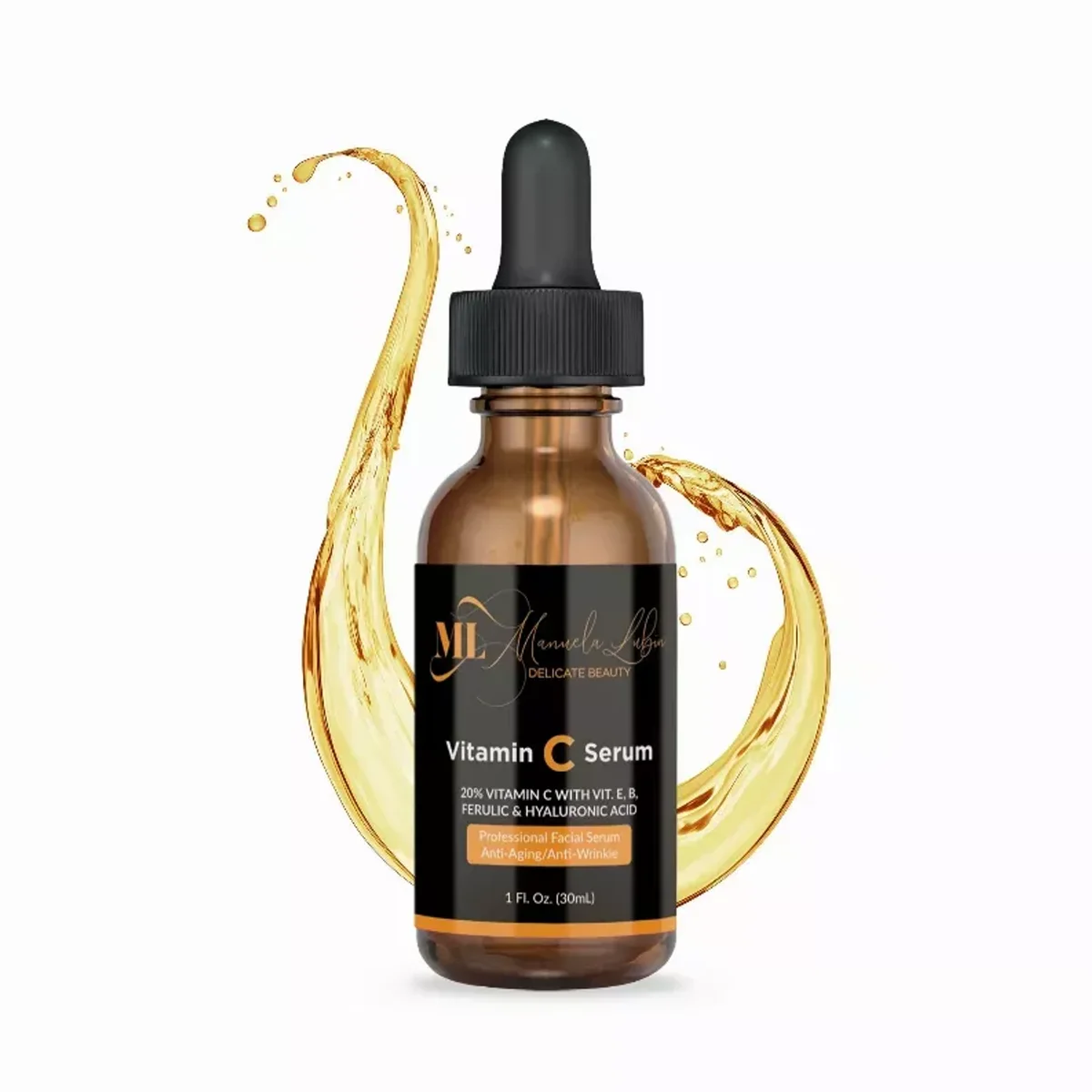
- Vitamin C or peptide serum
- Moisturizer
- Sunscreen SPF 30+
Evening
- Cleanser
- Retinoid, two nights a week to start, on dry skin
- Moisturizer; a 'sandwich' (moisturizer before and after) for sensitive skin
Thinnest to thickest, water-based before oil-based, sunscreen last in the morning and first off at night. Add one new product at a time and give it two weeks. The routine tool orders whatever you own.
On the site for fine lines
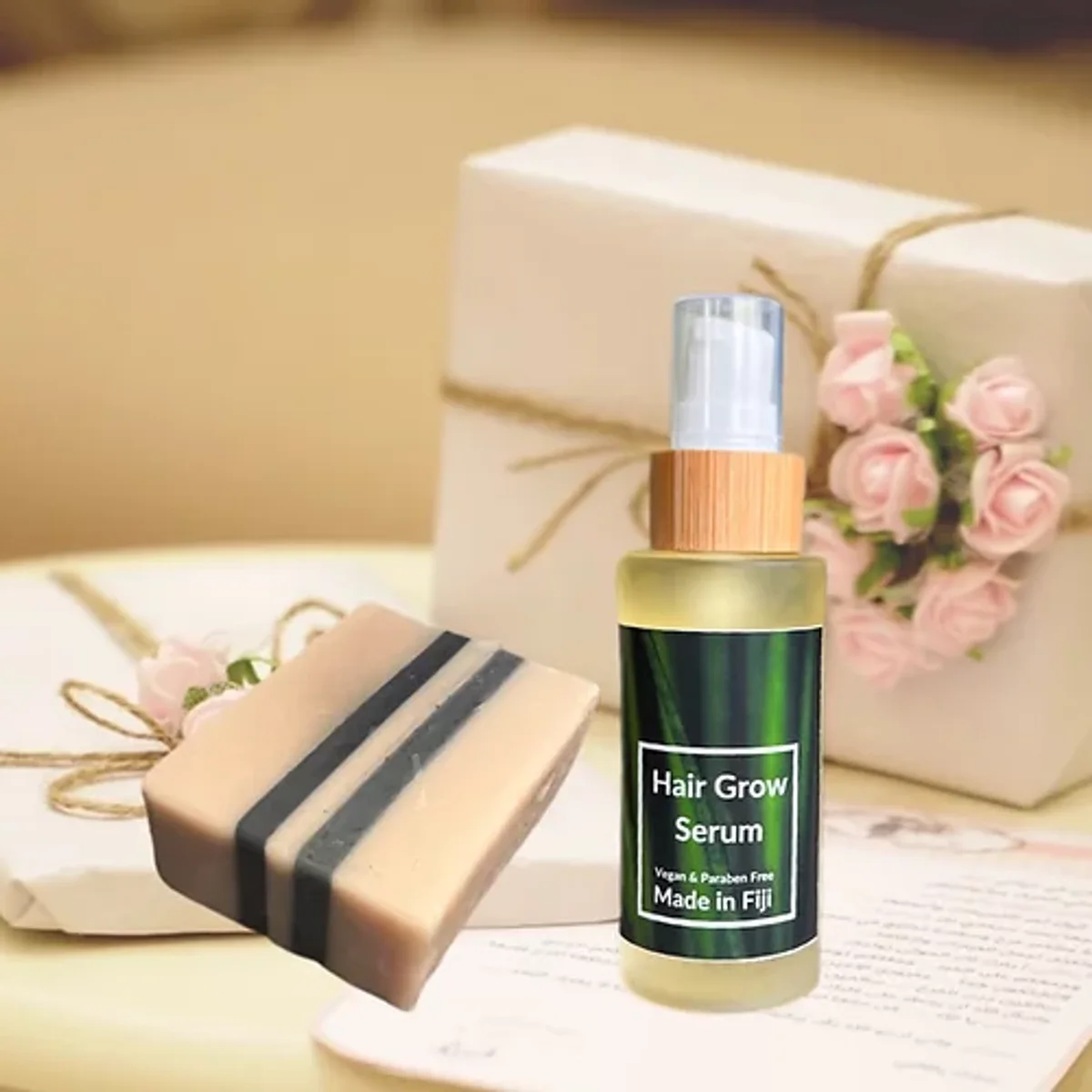
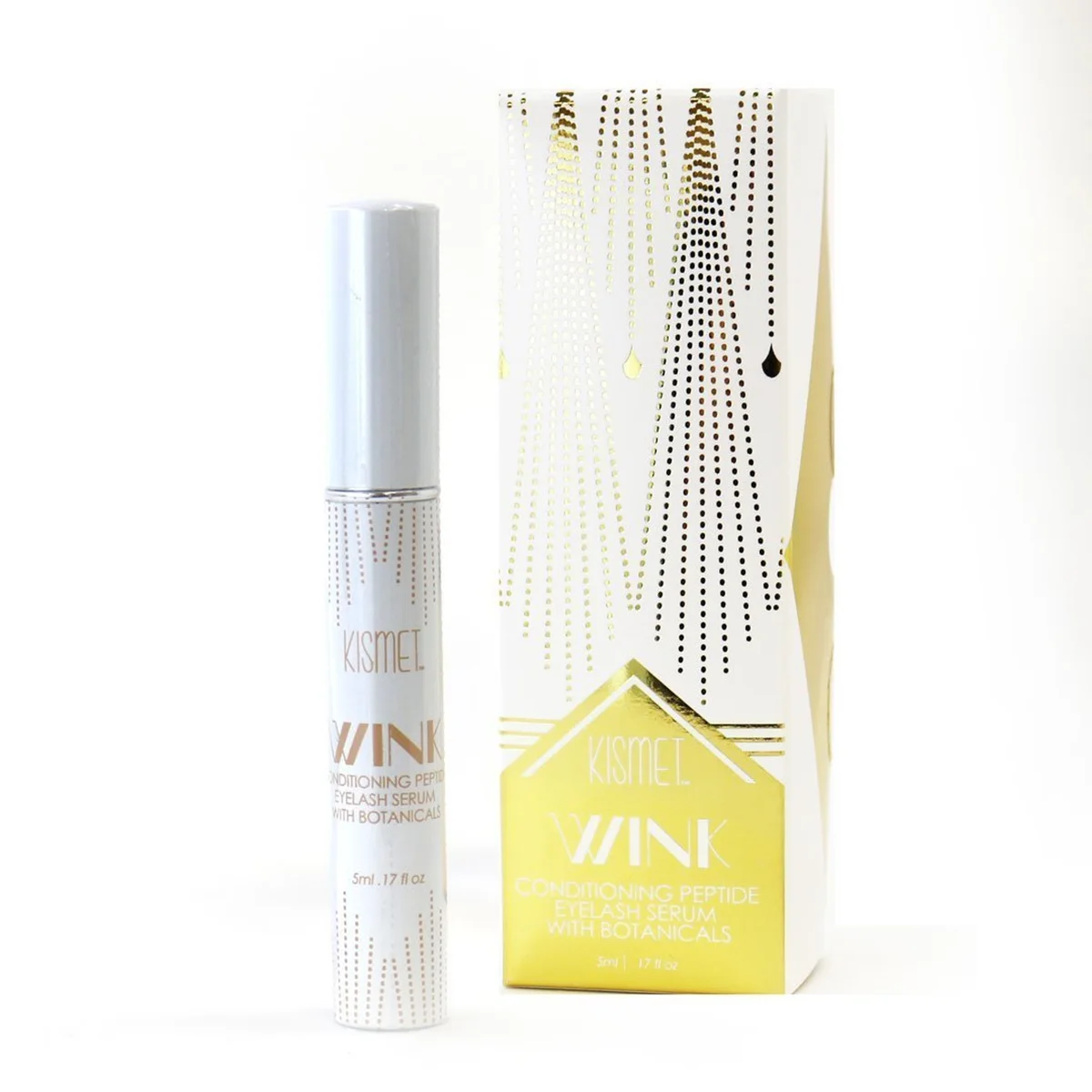
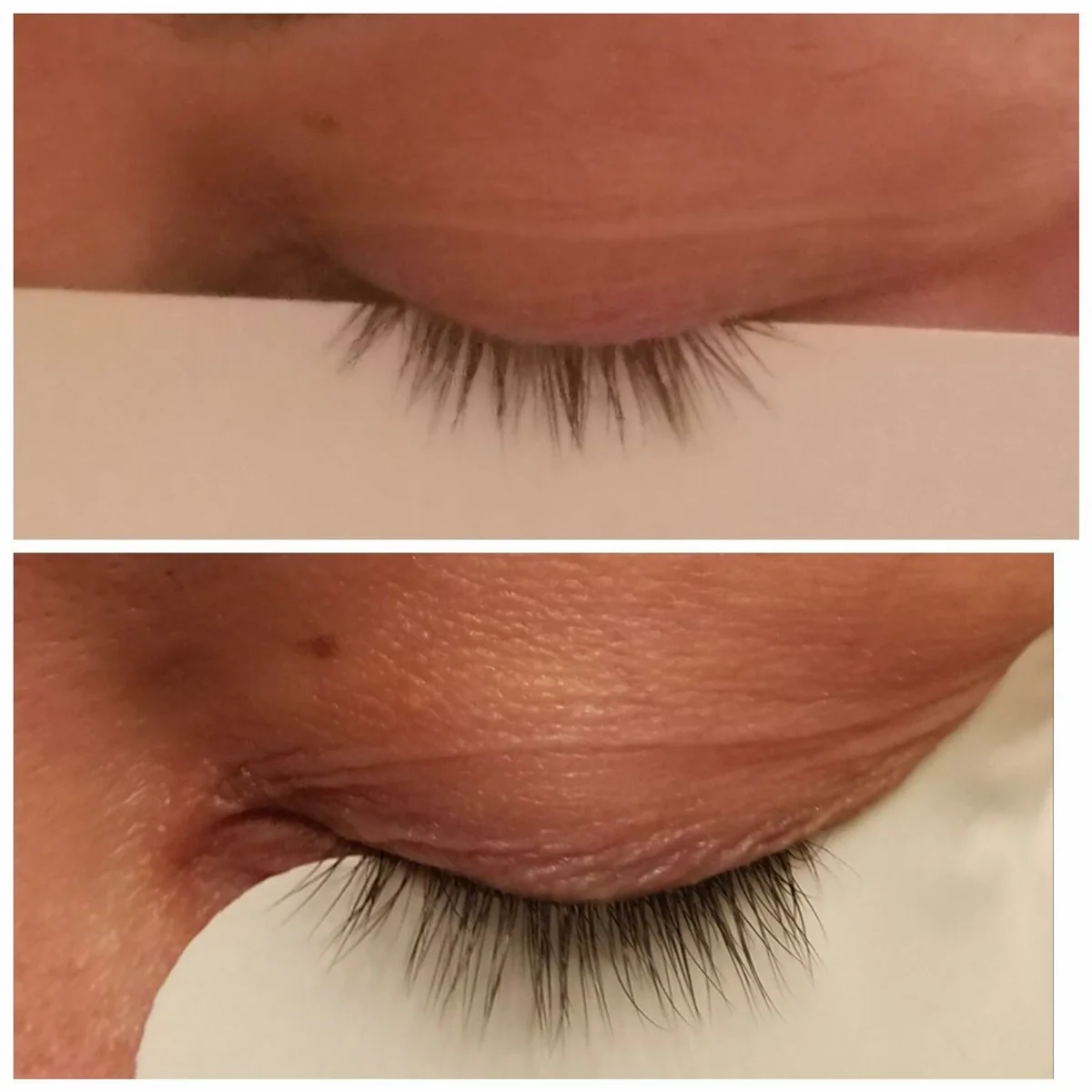
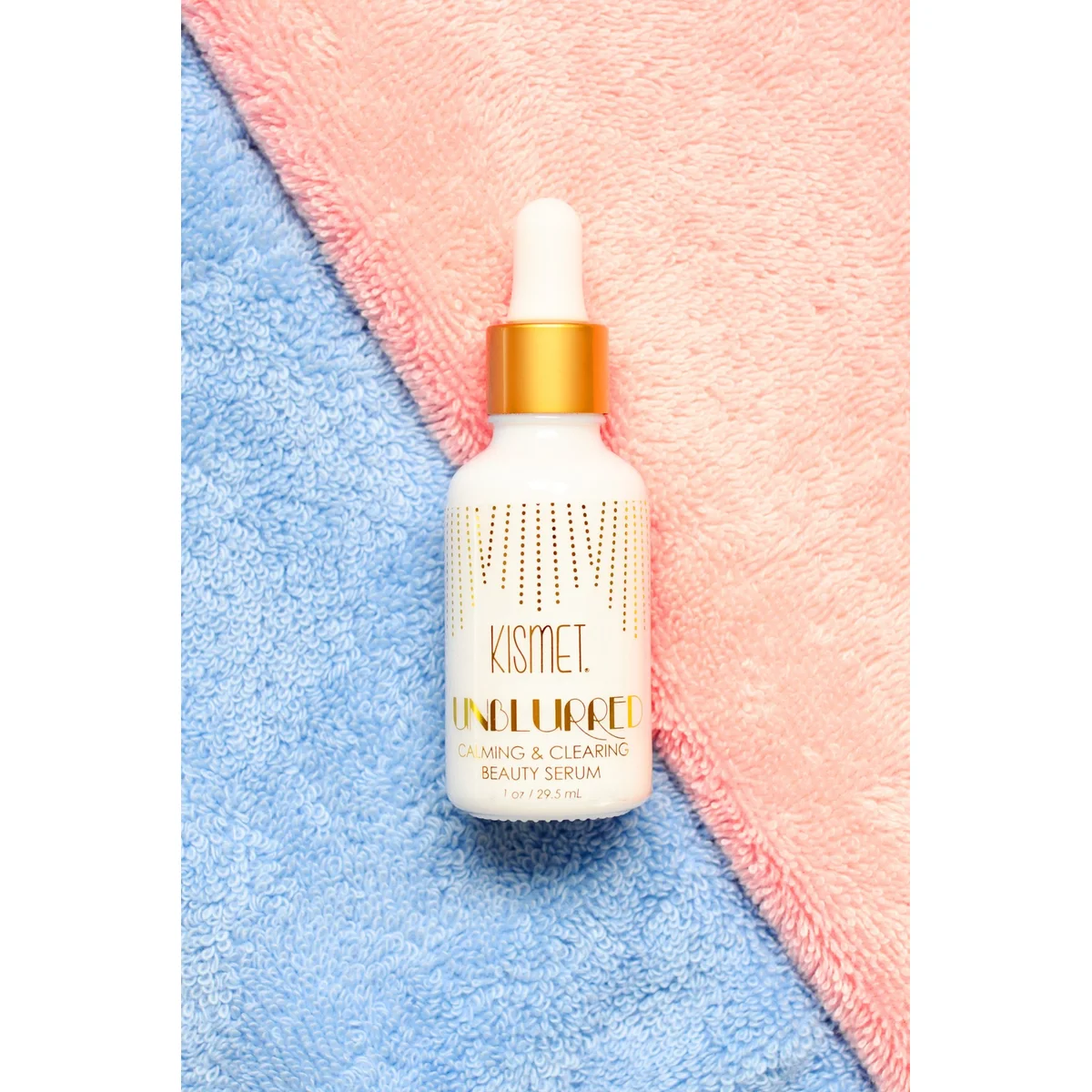
All →Tagged from the maker's own description; serums and oils, moisturizers, masks and exfoliants first. Read each label against the list above.
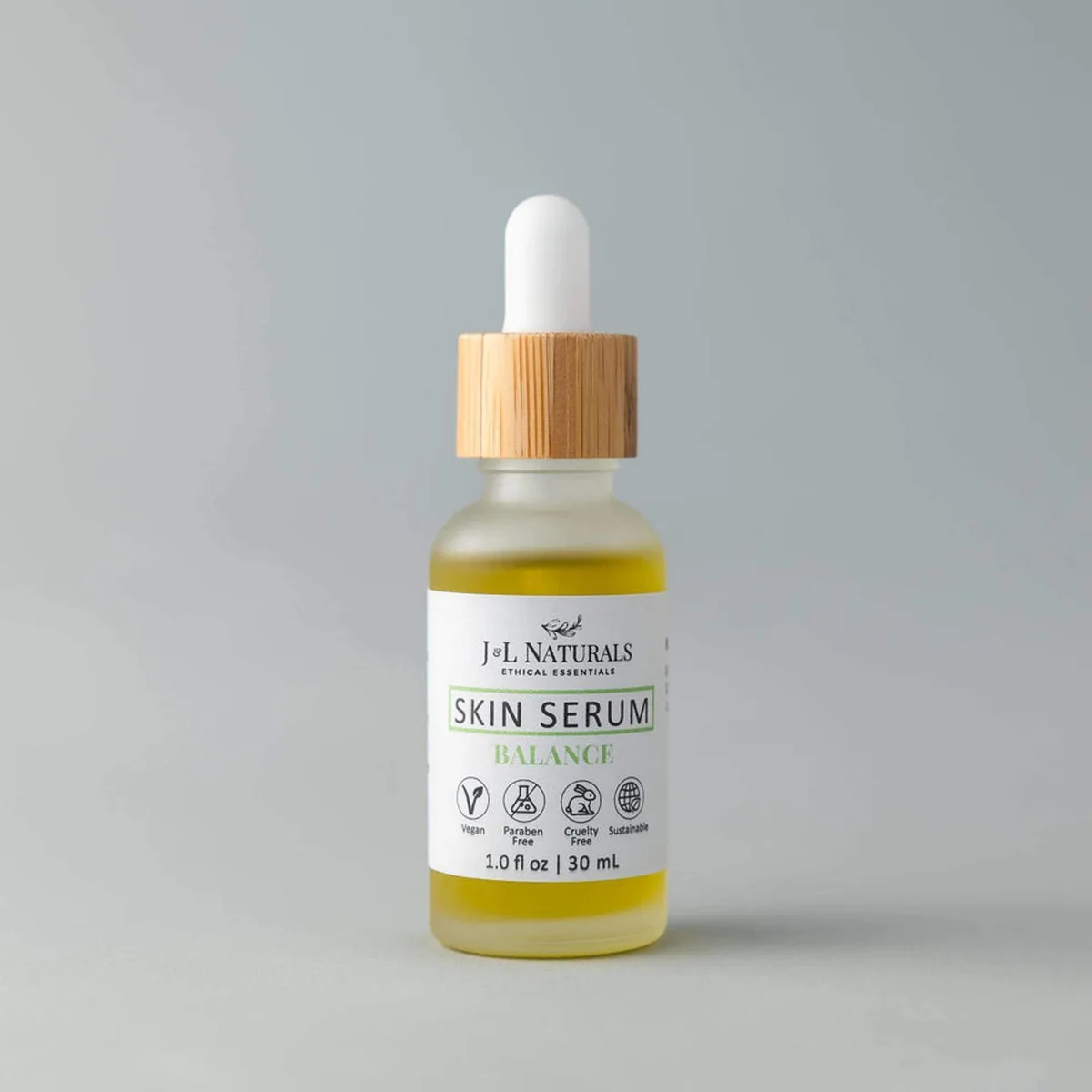 Made in the USA
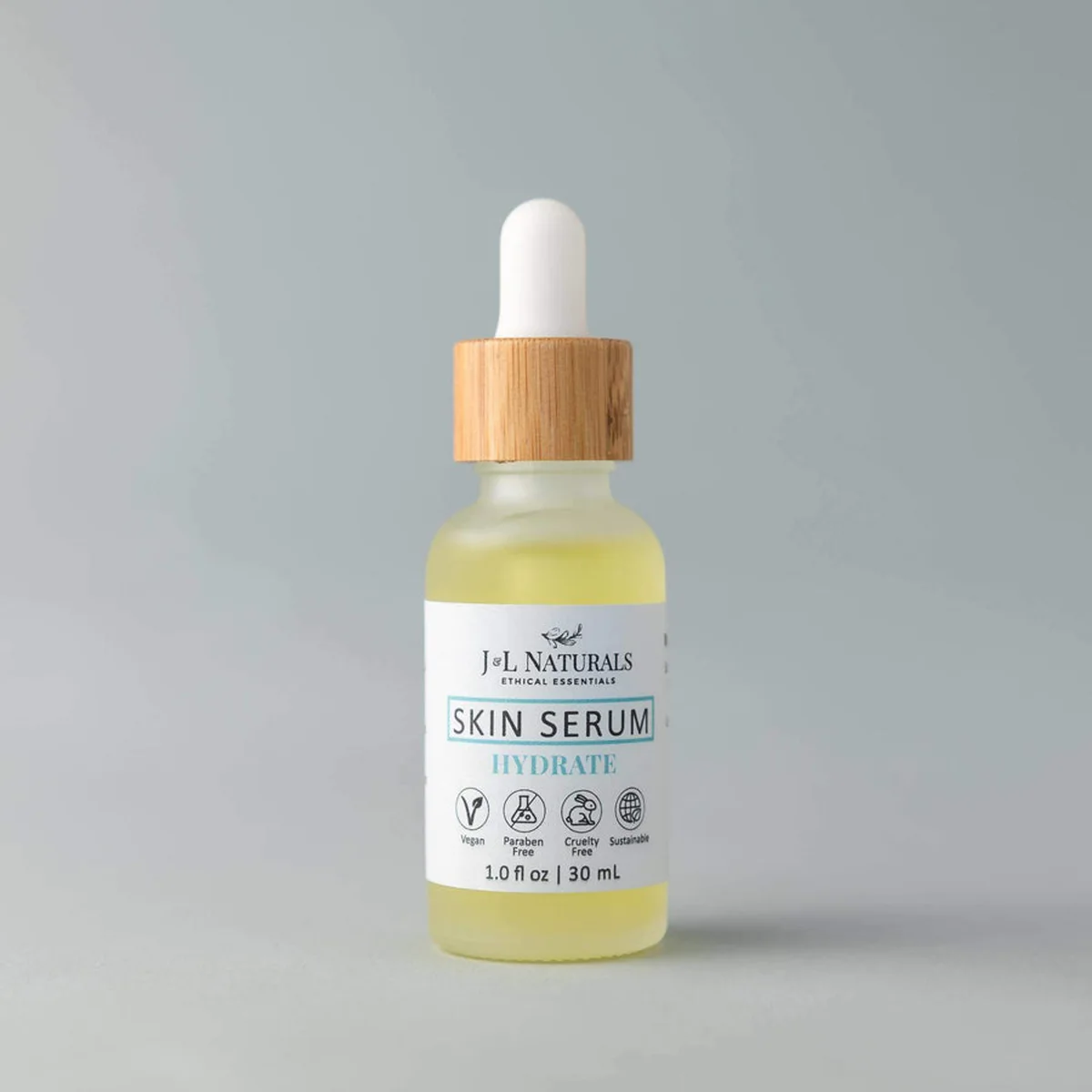
 Made in the USA
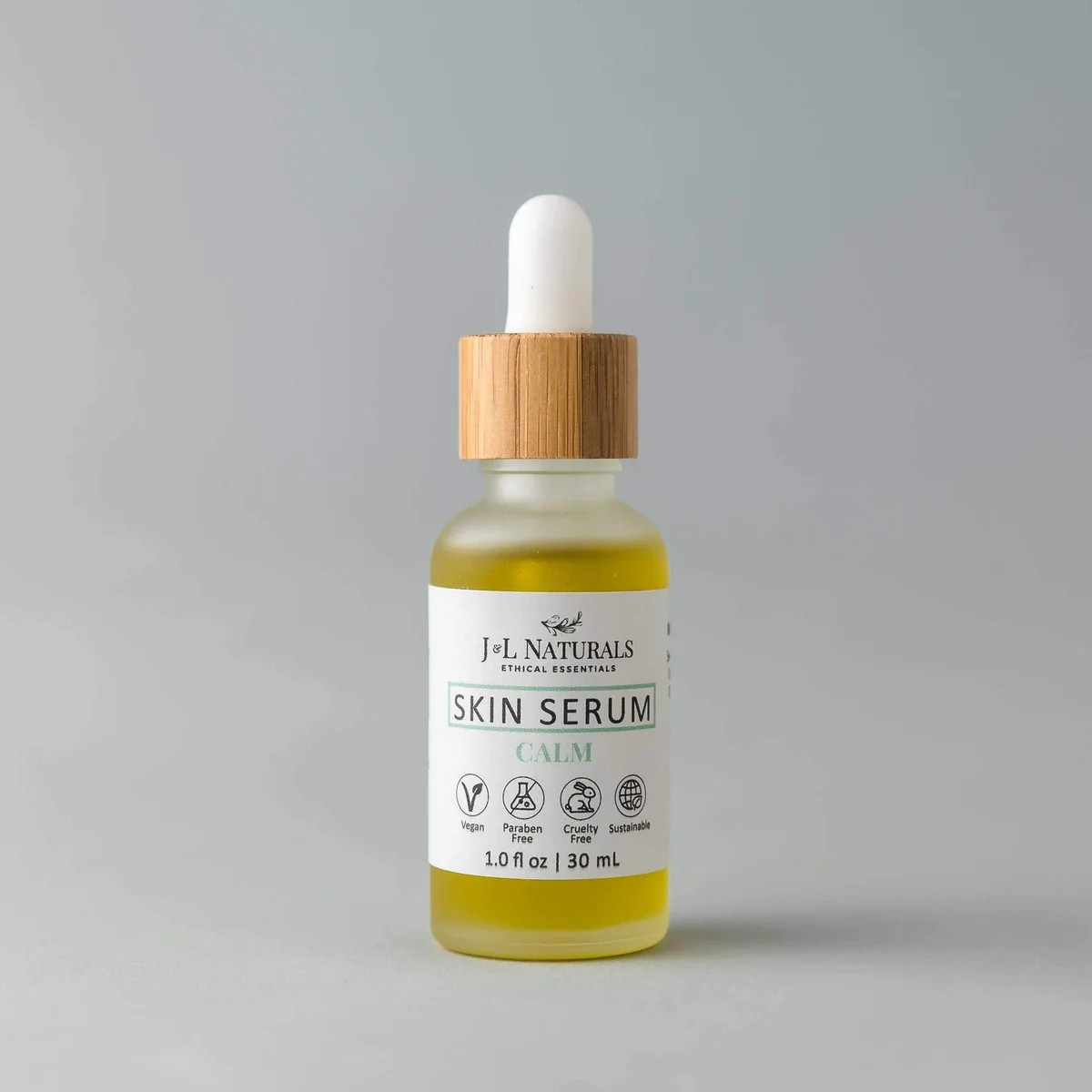
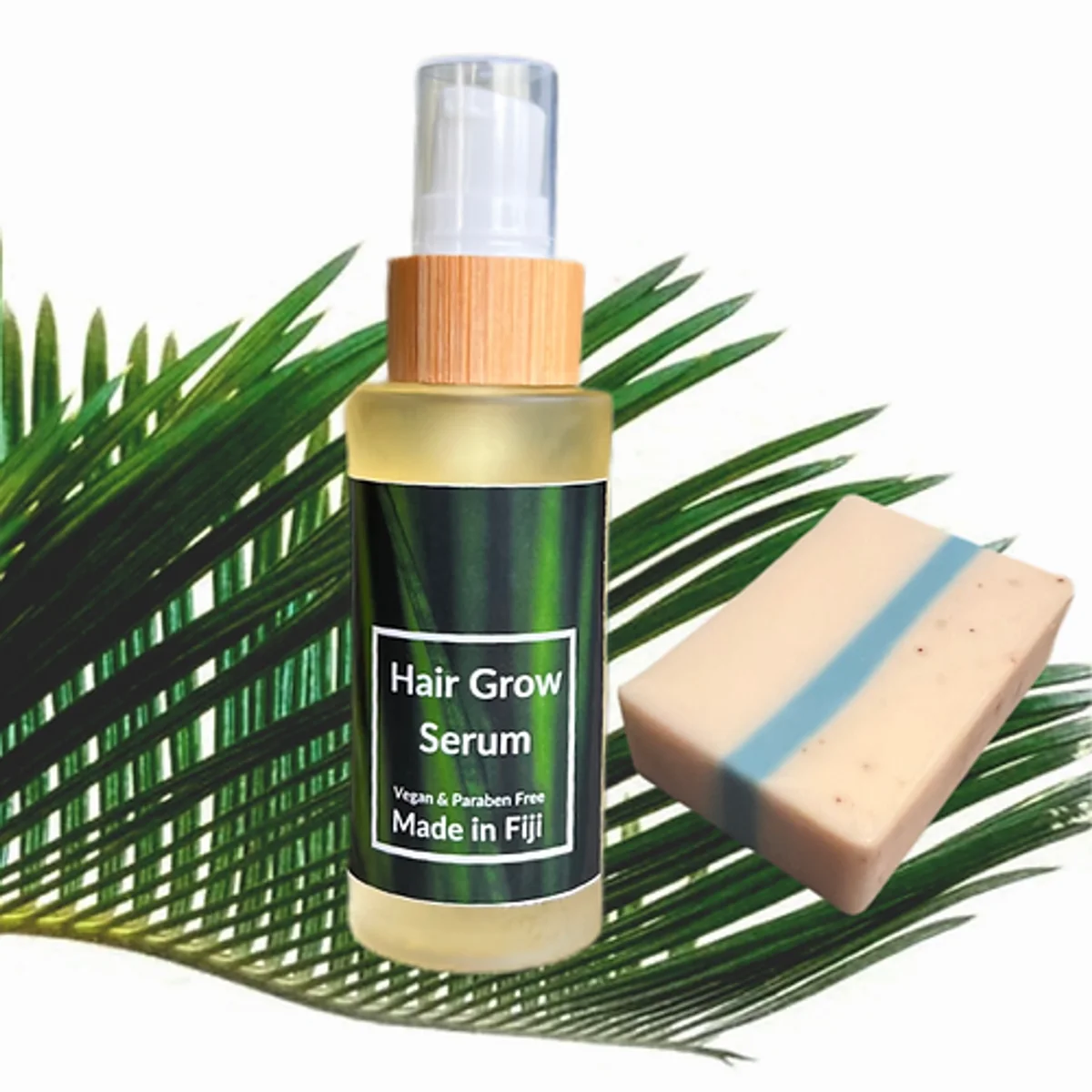 Made in the USA
 Made in the USA
 Made in the USA
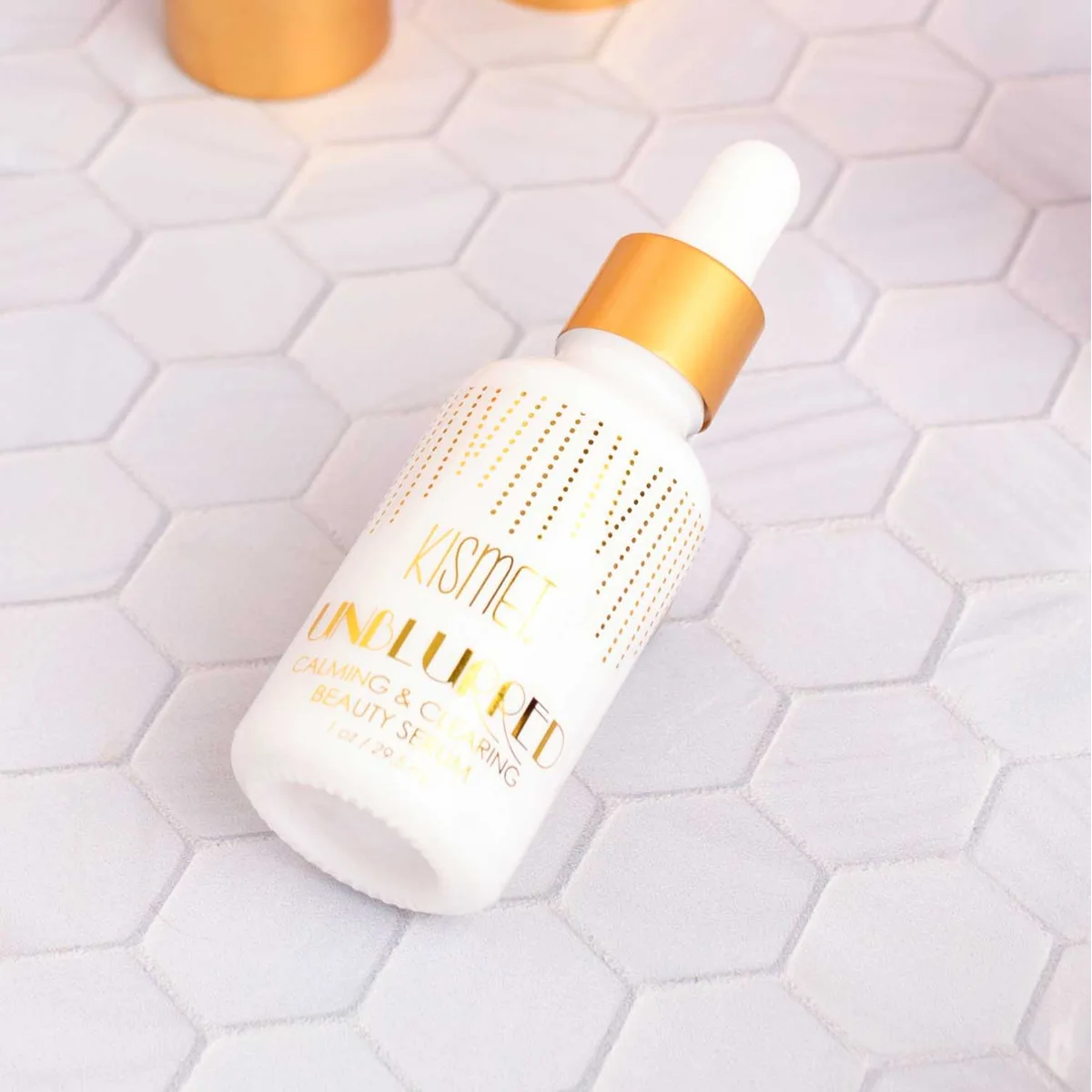
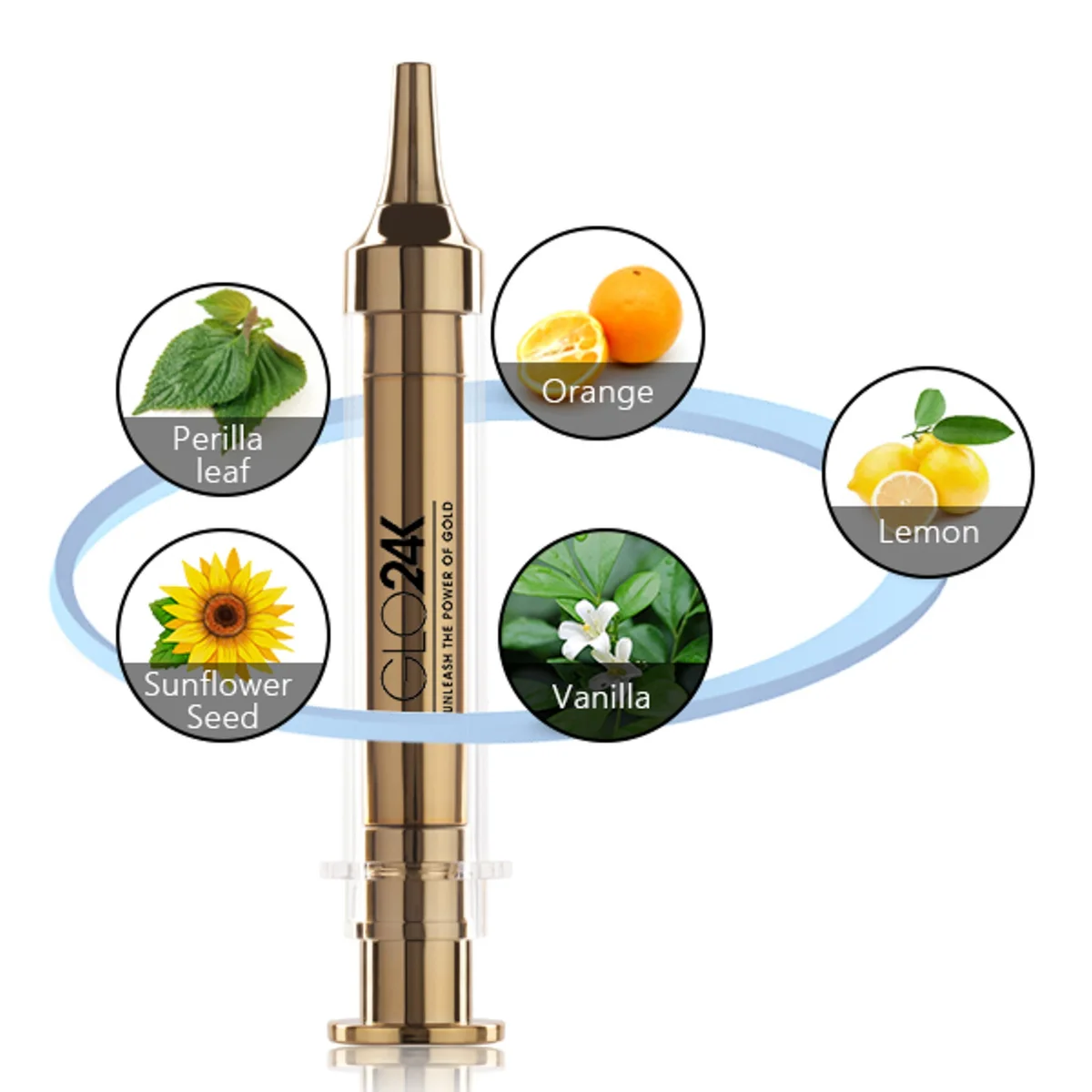 Made in the USA

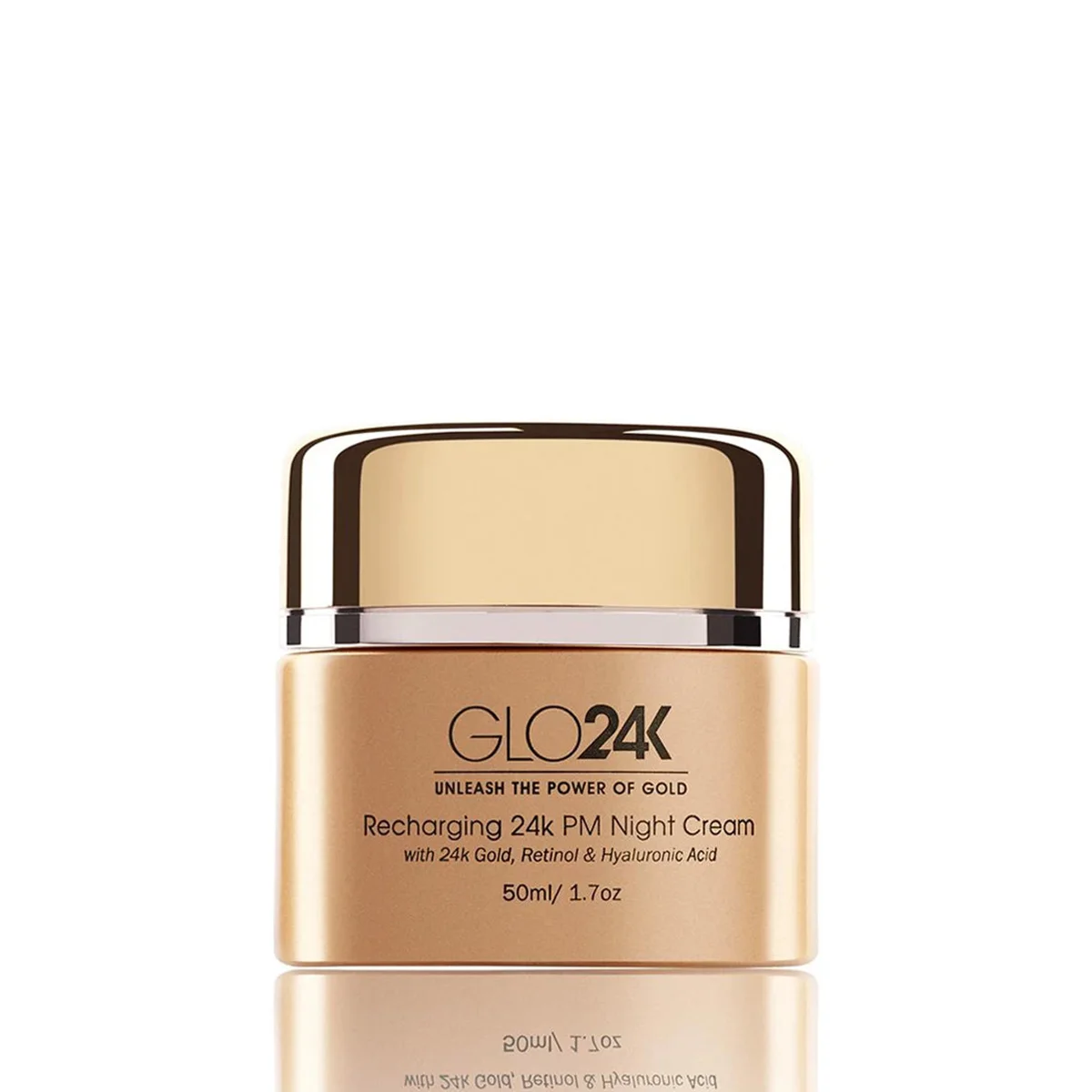 Made in the USA
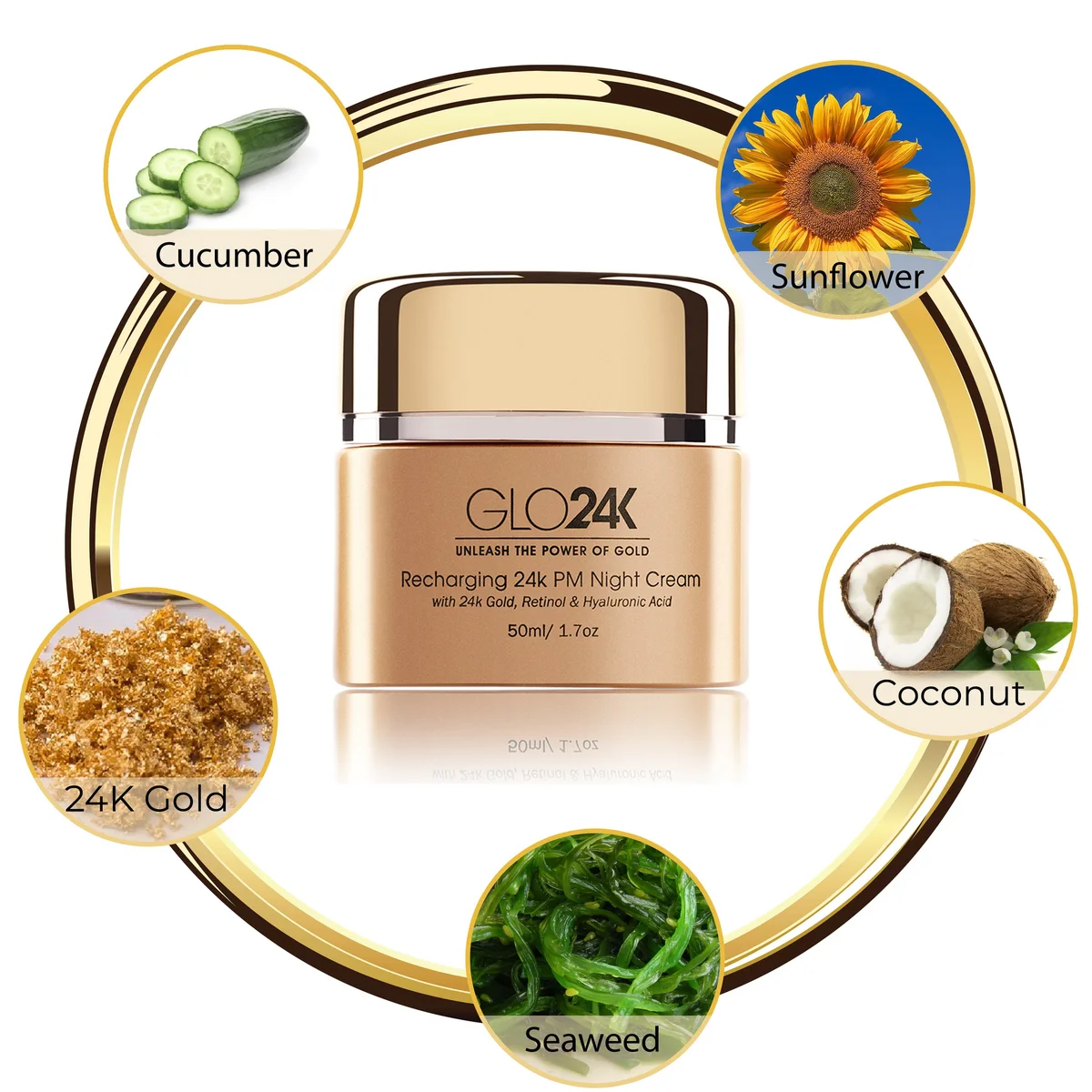
 Made in the USA
Other concerns, dry skin
Fine lines on other skin types
Dew & Balm describes ingredients and label categories from the public record (FDA OTC monographs, the EU CosIng database, PubMed) and makes no claim about what a product will do for you. A concern that persists, hurts, bleeds or spreads is for a dermatologist, and anything on prescription is between you and yours.