
Skin guide / Oily skin
Breakouts on oily skin
This is the classic pairing and the one the OTC acne monograph was written for. One active (salicylic acid or benzoyl peroxide), a gel cleanser, a light moisturizer and a non-comedogenic sunscreen is the whole routine.
What breakouts is
A breakout is a pore blocked by dead cells and oil, with or without bacteria and inflammation. Over-the-counter acne products in the US are regulated as drugs and carry a Drug Facts panel: the FDA monograph allows salicylic acid, benzoyl peroxide and sulfur at set strengths. Cosmetics around them (cleansers, light moisturizers, clay masks, non-comedogenic sunscreen) keep the rest of the routine from undoing the treatment.
What oily skin wants
Gels, fluids and lotions; a gel or foaming cleanser; clay or charcoal masks once or twice a week. Oily skin still needs a moisturizer, just a light one.
Cleanser: a gel or gentle foaming cleanser. Go easy on: Heavy butters and coconut oil on the face, stripping cleansers that leave skin squeaky (rebound shine), and picking.
Look for on the label
Go easy on, for breakouts: Scrubbing (it spreads inflammation), coconut oil and heavy butters on the face, more than one active at a time, and squeezing.
Morning
- Gel cleanser
- Niacinamide or other light serum
- Light moisturizer
- Non-comedogenic sunscreen
Evening
- Gel cleanser
- Salicylic acid or benzoyl peroxide (one, as the label directs)
- Light moisturizer
Thinnest to thickest, water-based before oil-based, sunscreen last in the morning and first off at night. Add one new product at a time and give it two weeks. The routine tool orders whatever you own.
On the site for breakouts
All →Tagged from the maker's own description; cleansers, masks and exfoliants, toners and mists, moisturizers first. Read each label against the list above.
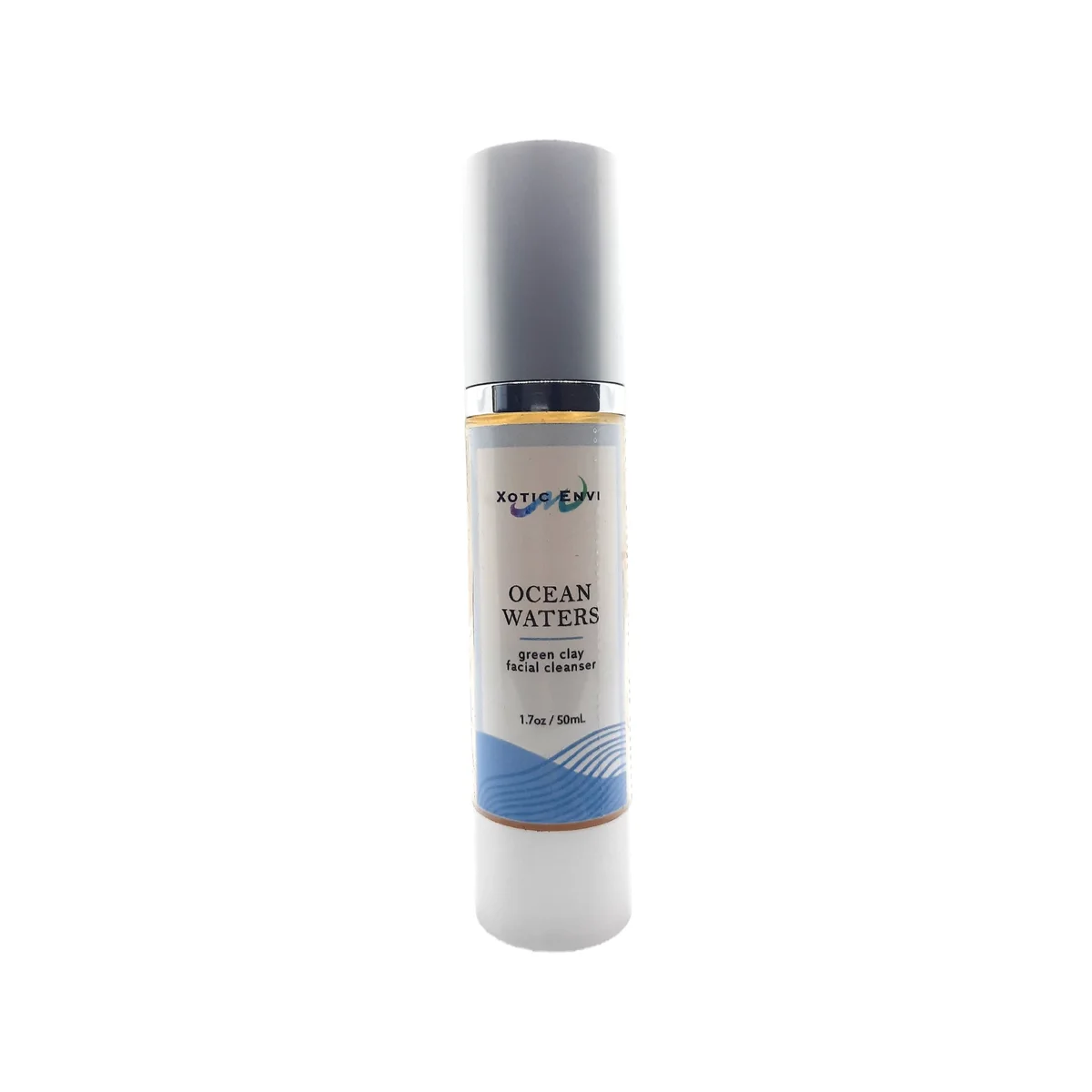 Made in the USA
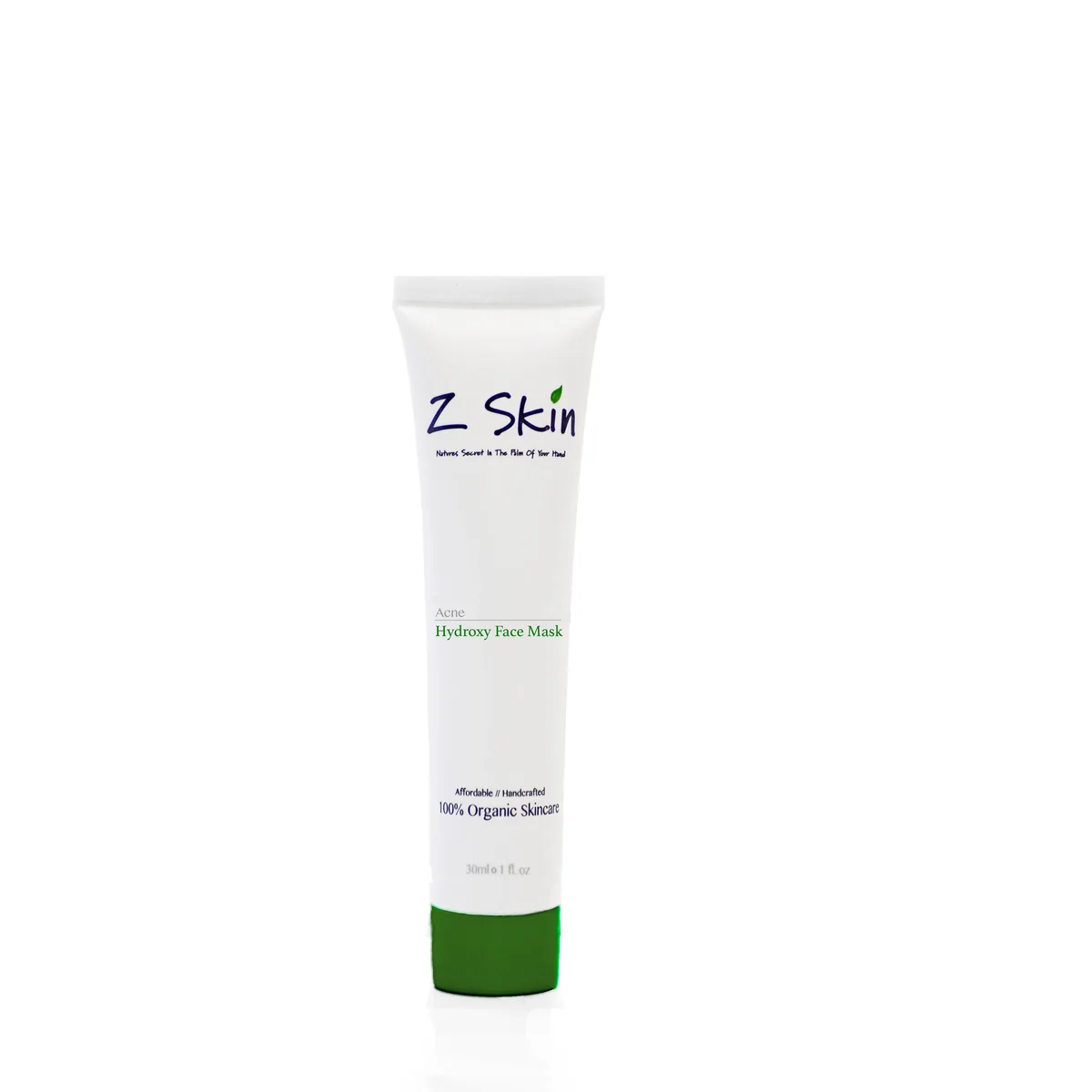 Made in the USA
 Made in the USA
 Made in the USA
 Made in the USA
 Made in the USA
 Made in the USA
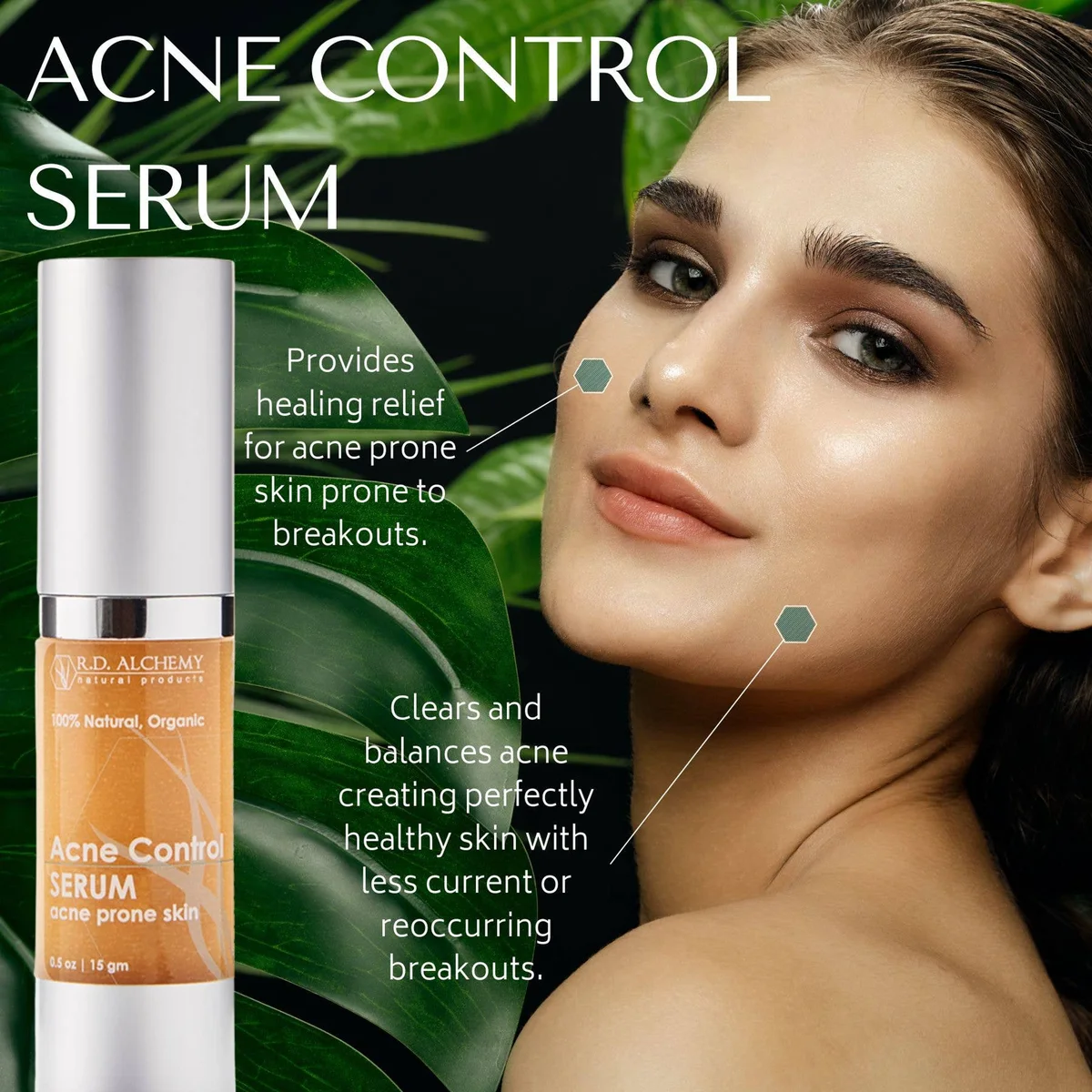
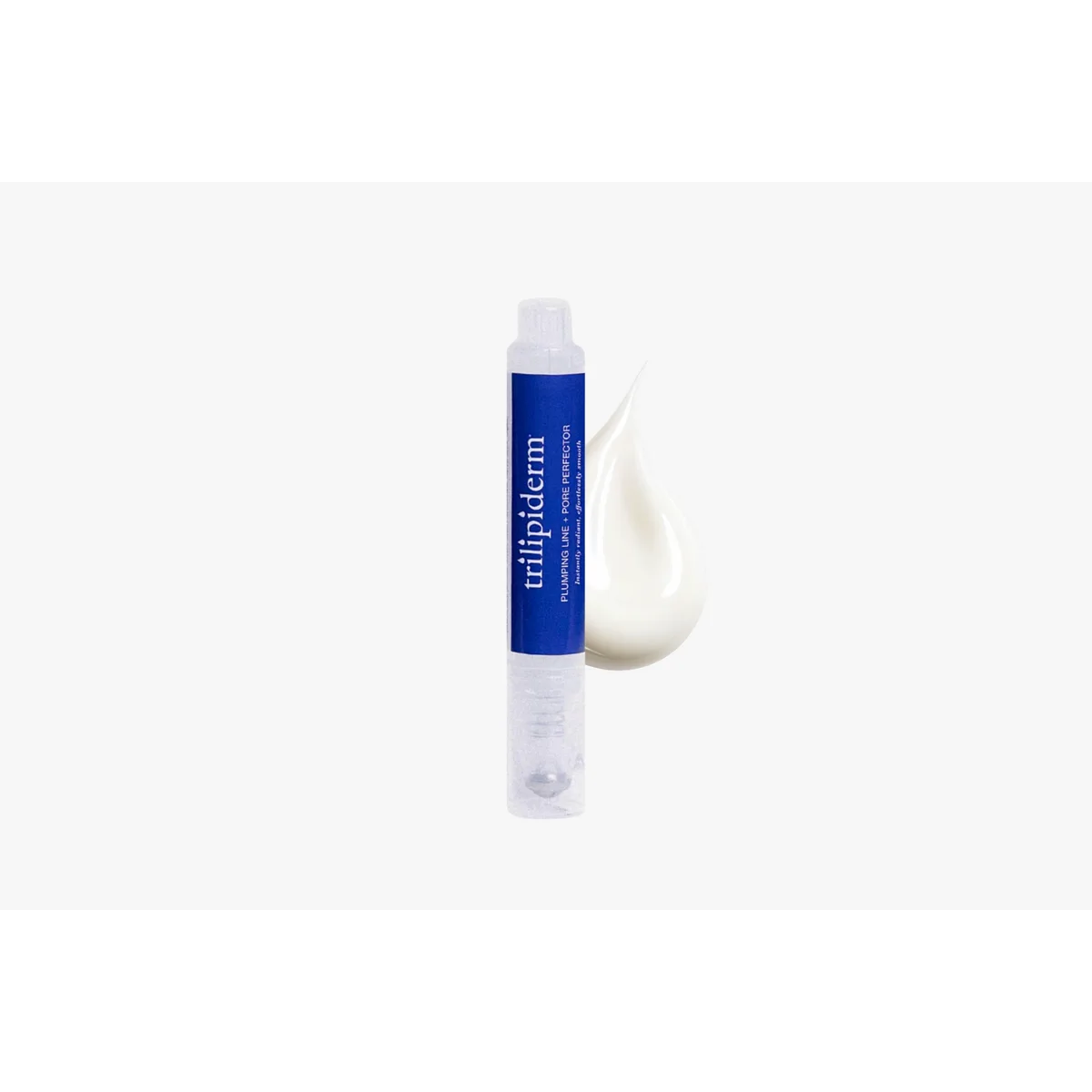 Made in the USA
Other concerns, oily skin
Breakouts on other skin types
Dew & Balm describes ingredients and label categories from the public record (FDA OTC monographs, the EU CosIng database, PubMed) and makes no claim about what a product will do for you. A concern that persists, hurts, bleeds or spreads is for a dermatologist, and anything on prescription is between you and yours.