
Skin guide / Oily skin
Sun on oily skin
Look for gel, fluid or 'dry touch' sunscreens and mineral powders for reapplying over makeup. Sunscreen does not cause breakouts by itself; not washing it off at night does.
What sun is
Ultraviolet light is the single largest external cause of visible skin aging and of skin cancer, and the UV index says how fast it works: at UV 3 and above the American Academy of Dermatology recommends sunscreen, shade and clothing; at UV 8 and above unprotected skin can burn in minutes. Sunscreens are regulated as over-the-counter drugs in the US: the SPF, 'broad spectrum' and water-resistance claims are tested to FDA rules. Our UV index pages give the hour-by-hour reading for fifty cities.
What oily skin wants
Gels, fluids and lotions; a gel or foaming cleanser; clay or charcoal masks once or twice a week. Oily skin still needs a moisturizer, just a light one.
Cleanser: a gel or gentle foaming cleanser. Go easy on: Heavy butters and coconut oil on the face, stripping cleansers that leave skin squeaky (rebound shine), and picking.
Look for on the label
Go easy on, for sun: Using too little (a quarter teaspoon for the face, a shot glass for the body), skipping reapplication after two hours or a swim, and 'base tans', which are sun damage.
Morning
- Cleanser
- Antioxidant serum
- Moisturizer
- Sunscreen SPF 30+ broad spectrum, 15 minutes before going out; reapply every 2 hours outdoors
Evening
- Cleanser to remove sunscreen
- After-sun gel or hydrating serum
- Moisturizer
Thinnest to thickest, water-based before oil-based, sunscreen last in the morning and first off at night. Add one new product at a time and give it two weeks. The routine tool orders whatever you own.
On the site for sun
All →Tagged from the maker's own description; moisturizers, serums and oils, lotions and creams first. Read each label against the list above.
 Made in the USA
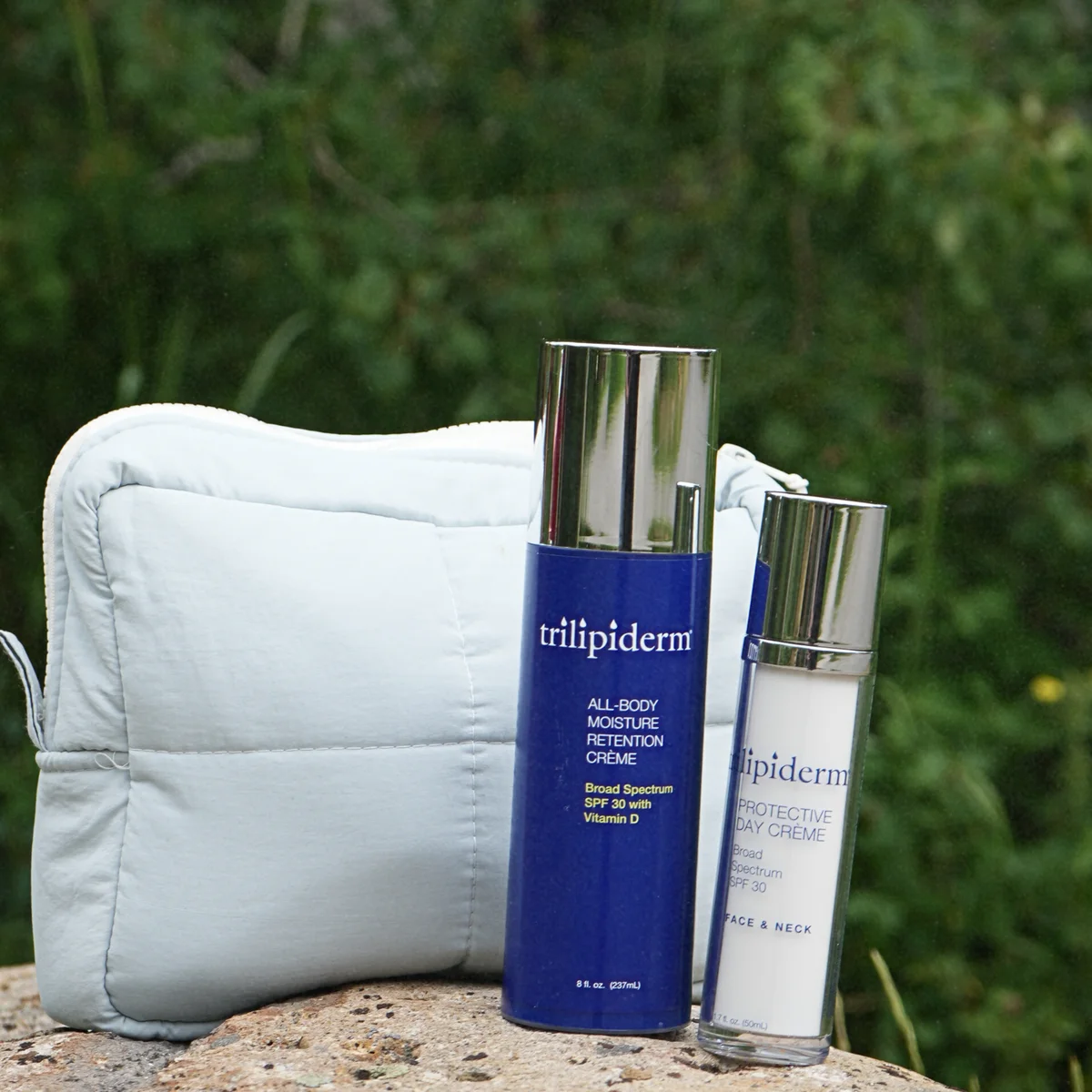
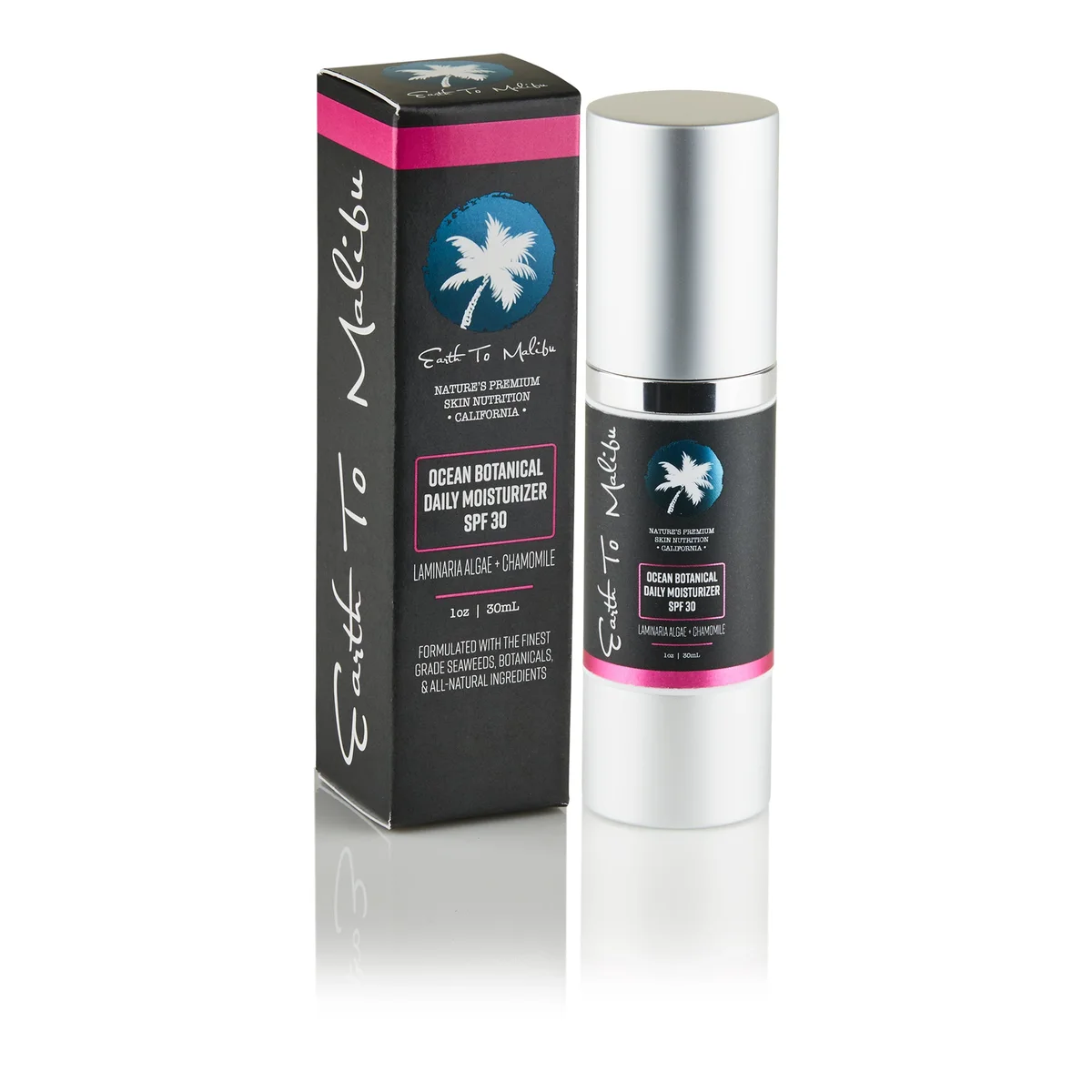 Made in the USA
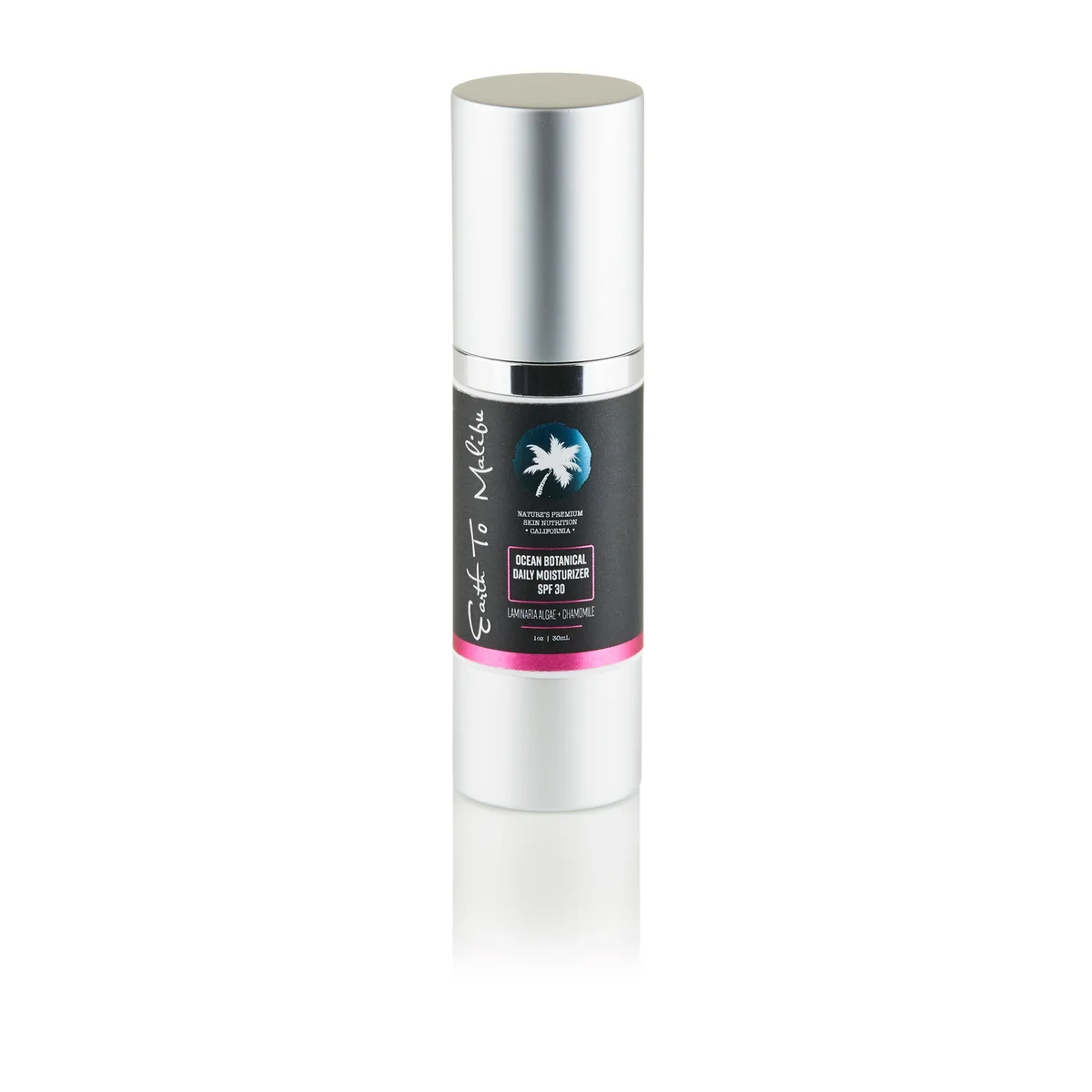
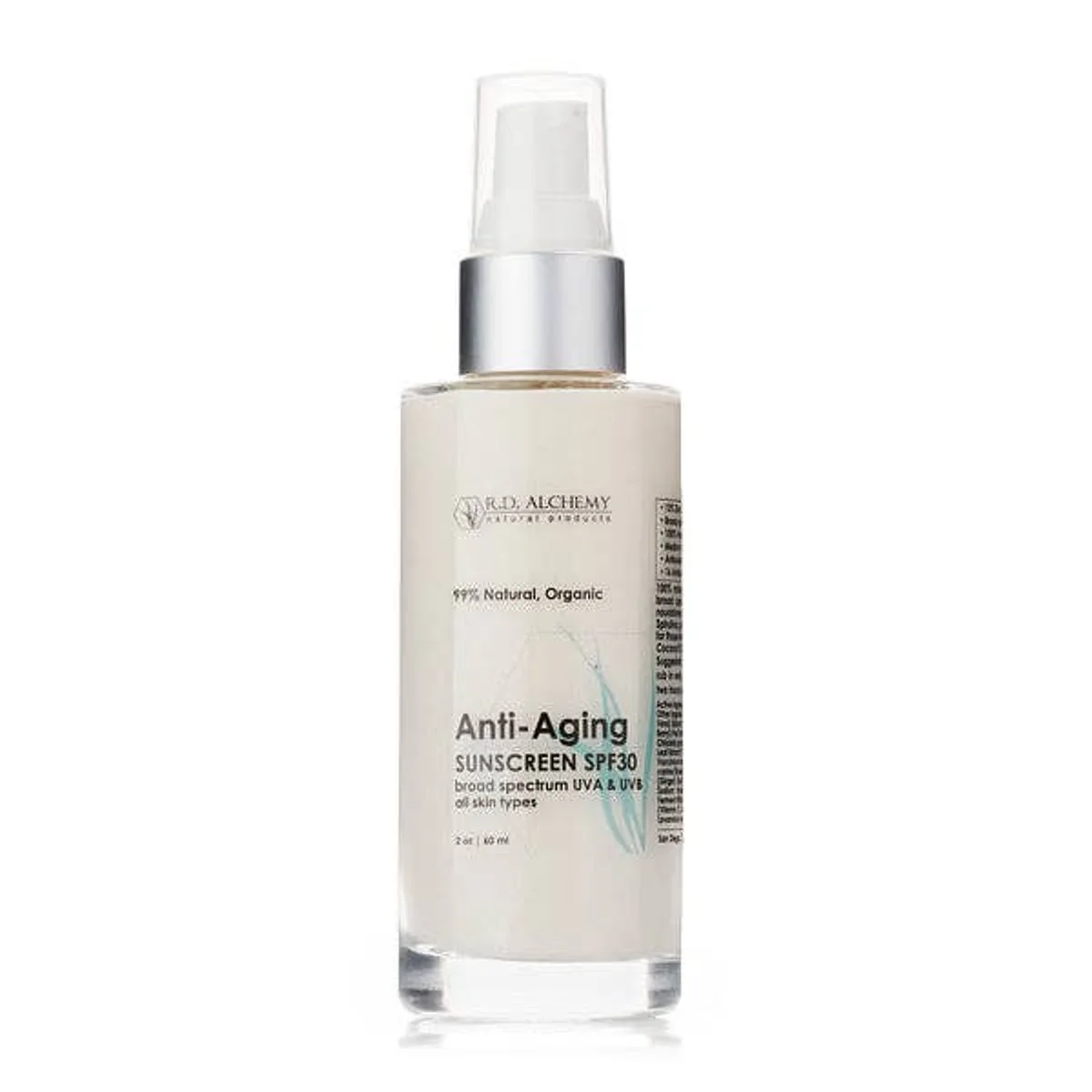 Made in the USA
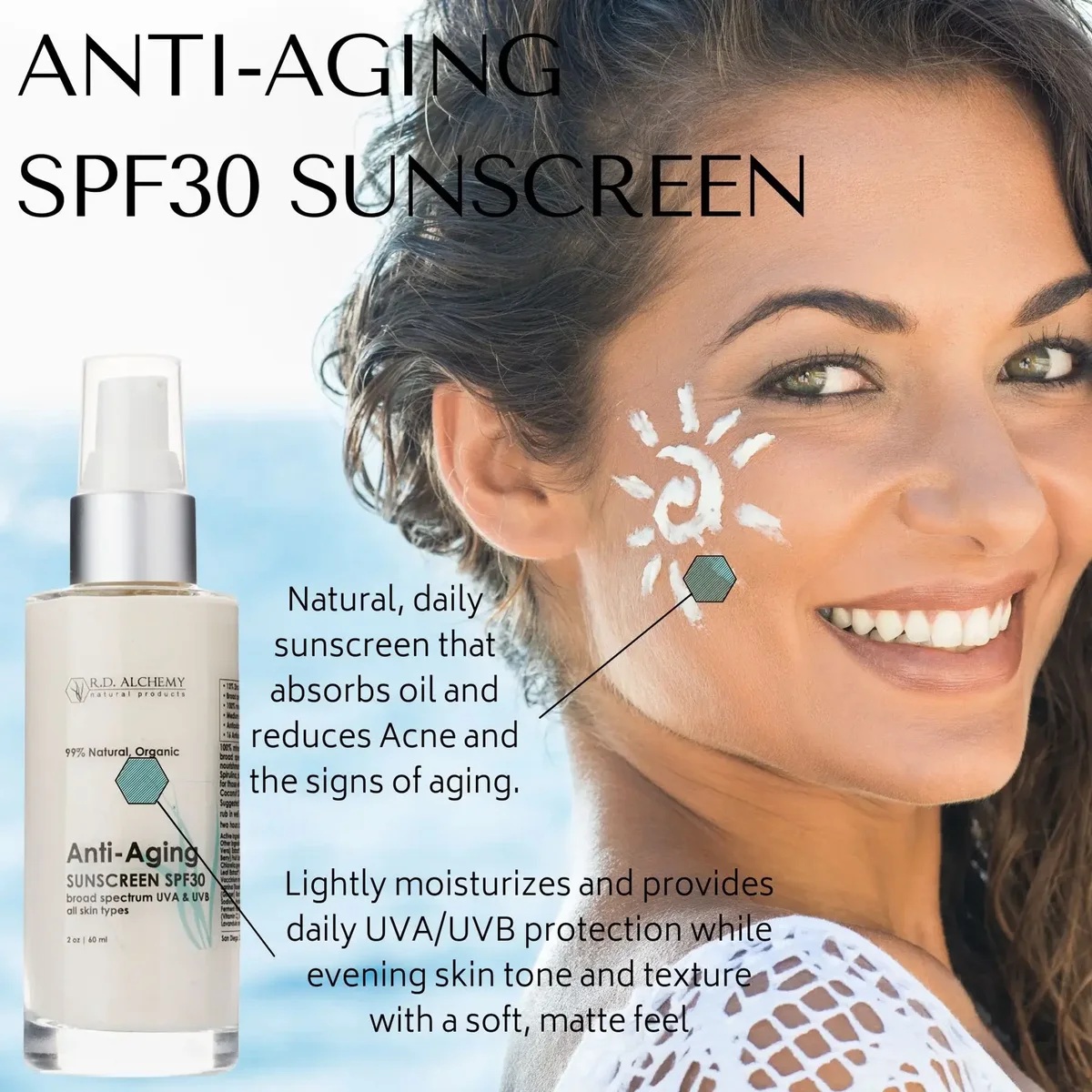
 Made in the USA

 Made in the USA
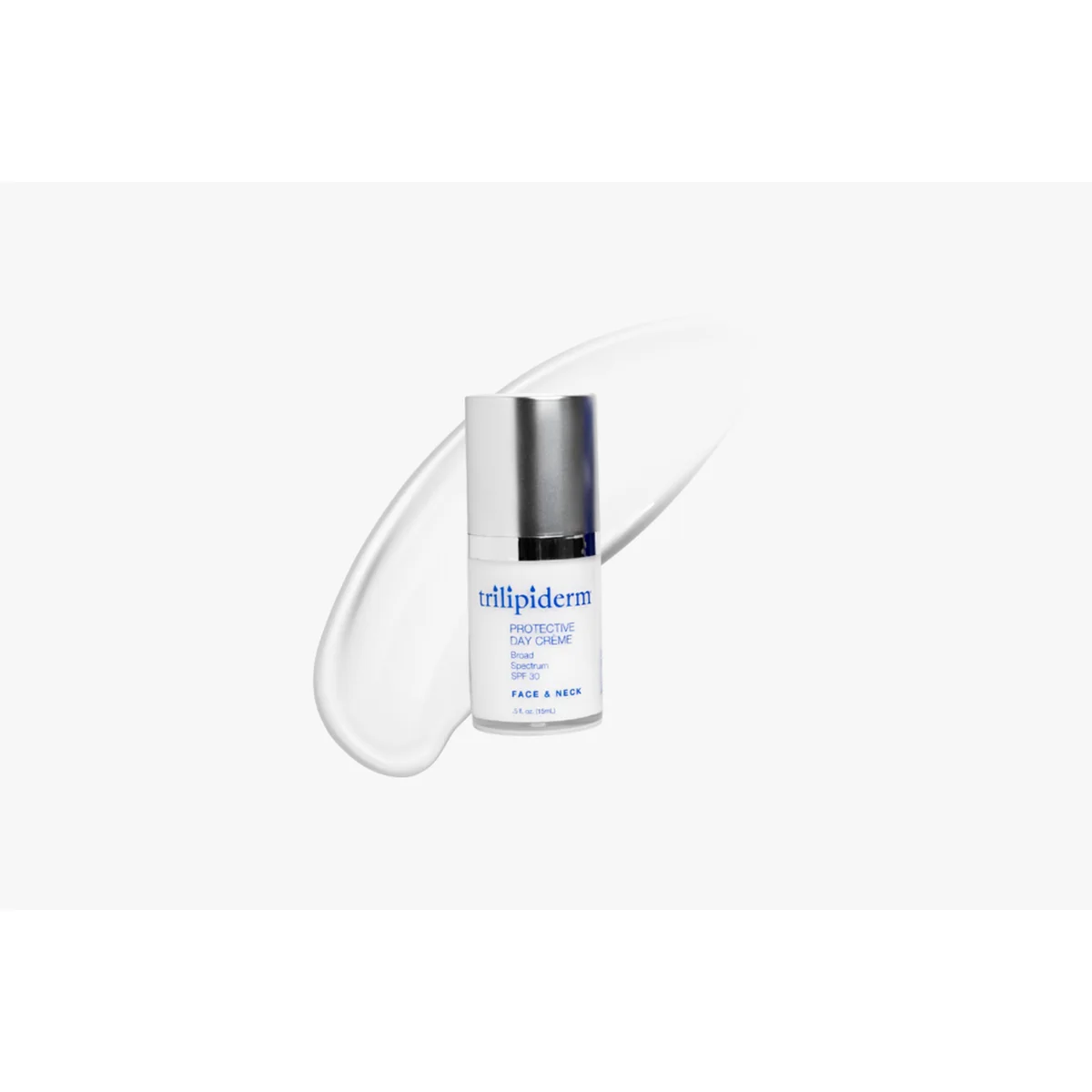
 Made in the USA
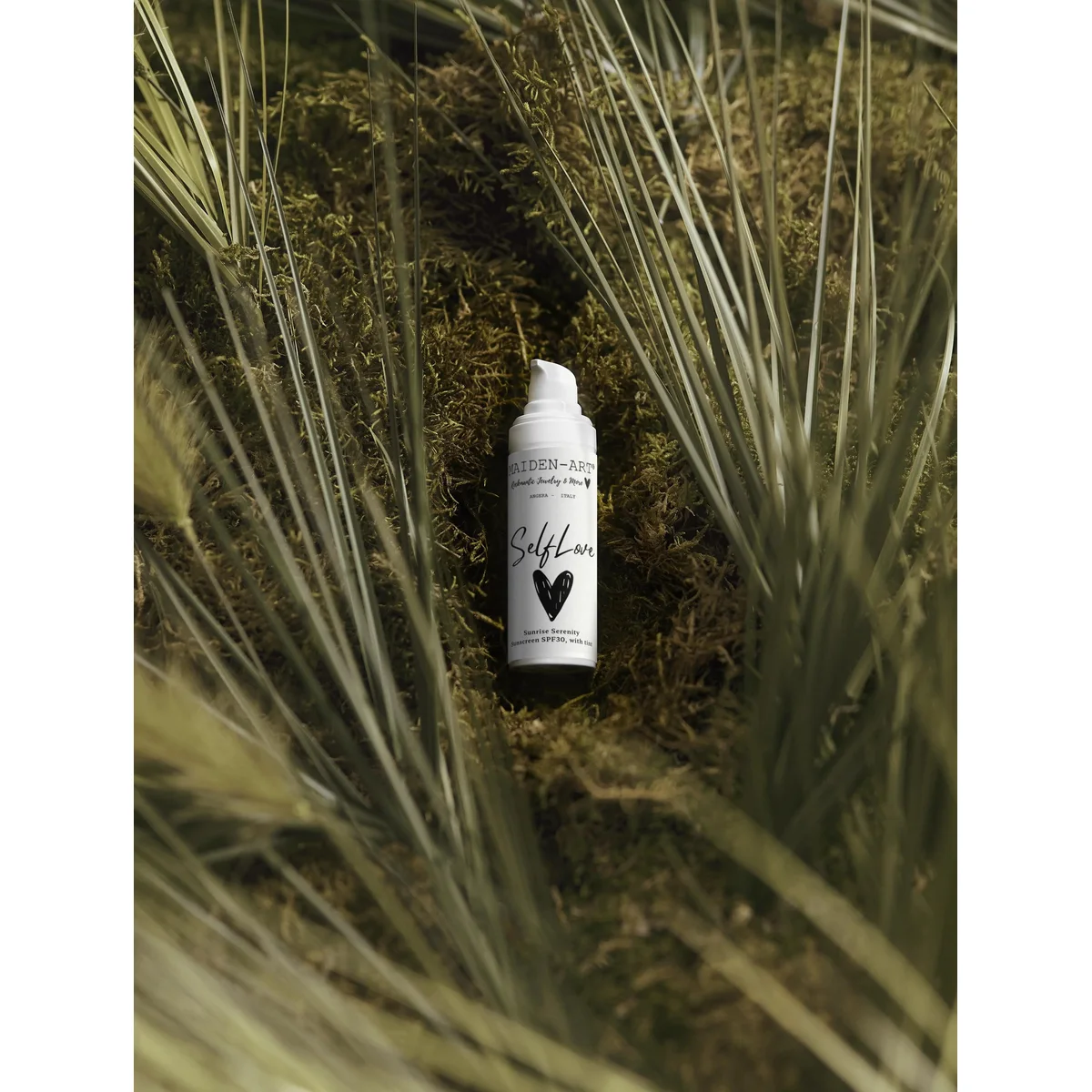
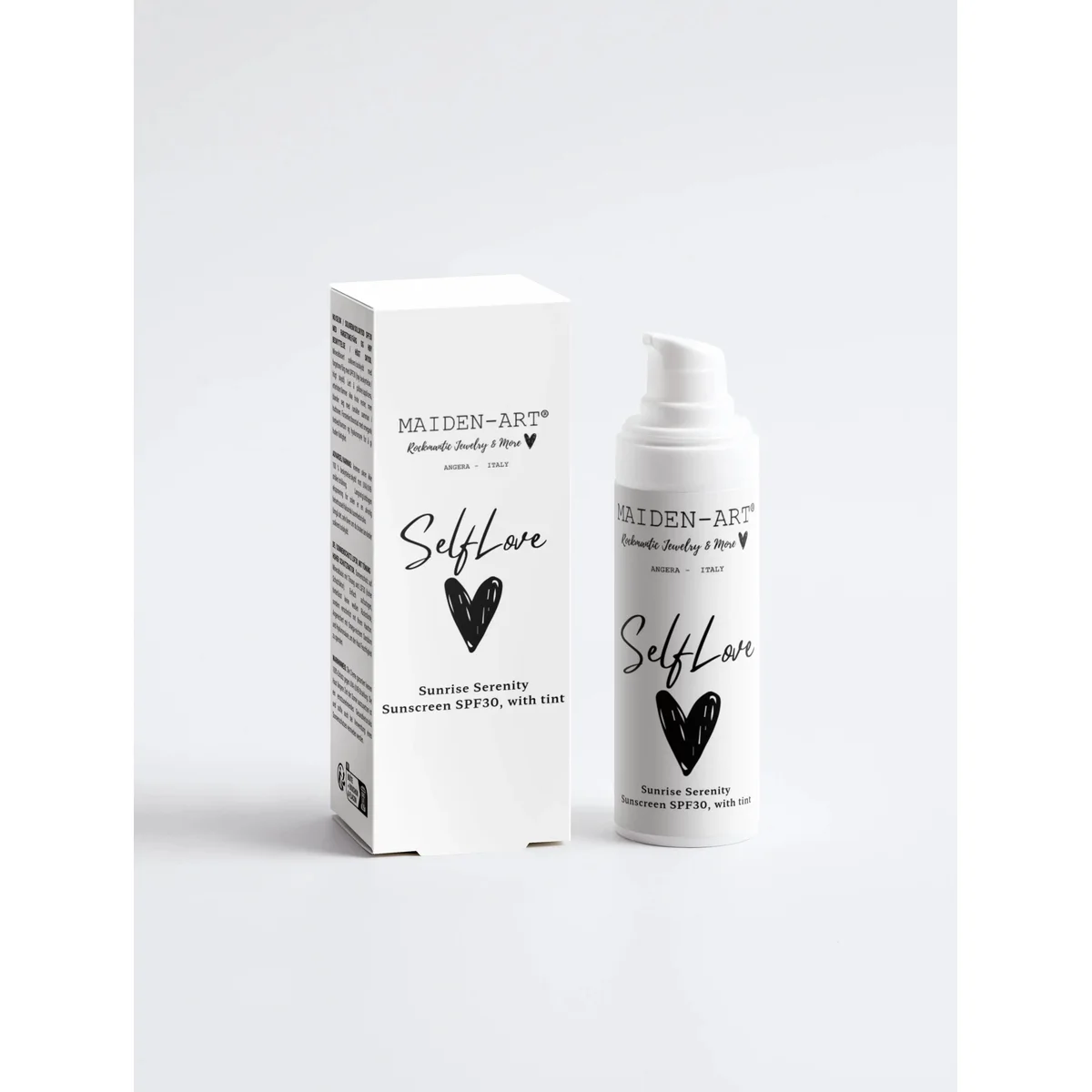
 Made in the USA
Other concerns, oily skin
Sun on other skin types
Dew & Balm describes ingredients and label categories from the public record (FDA OTC monographs, the EU CosIng database, PubMed) and makes no claim about what a product will do for you. A concern that persists, hurts, bleeds or spreads is for a dermatologist, and anything on prescription is between you and yours.